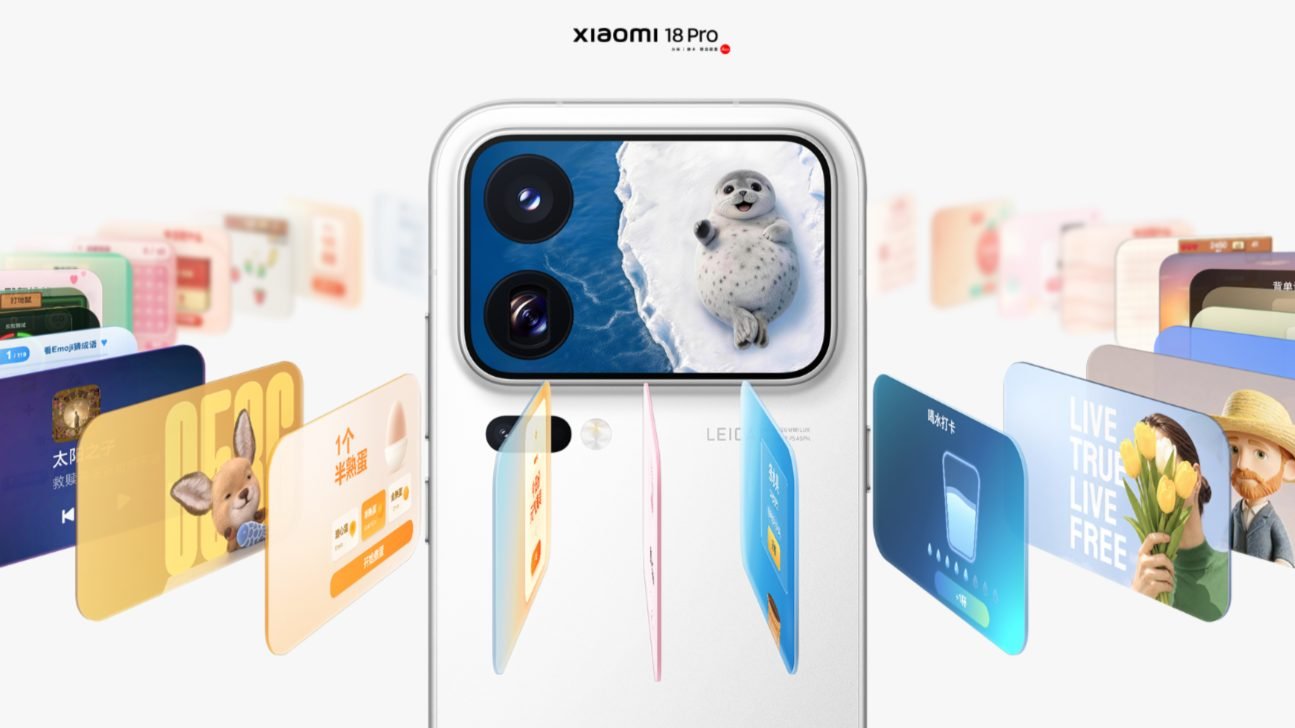
The small screen on the back of Xiaomi's Pro phones is getting a lot smarter. On the new Xiaomi 18 Pro and 18 Pro Max, you can ask Xiaomi's AI assistant to create simple mini apps for the rear display, like a cooking timer or a water reminder, and pin them there for quick access. Here's how the feature works, what Xiaomi has shown so far and what we still don't know about it.
AI-generated mini apps for the rear display
Xiaomi first teased the feature in mid-September, a week before the Xiaomi 18 Pro series launched in China, and then showed it in more detail at the launch event. Instead of choosing only from a fixed set of widgets, you can describe what you need and let the Xiao AI assistant build a small app for the rear screen.
Xiaomi president Lu Weibing explained the idea simply: everyone's needs are different, so the company wanted AI to make the back display more personal. The examples Xiaomi has shown include:
a Pomodoro focus timer,
a daily water intake tracker,
a simple egg-cooking timer,
an English vocabulary learning tool,
recipe recommendation cards.
You can pin the apps you use most to your favorites, so they're always one swipe away on the rear screen. The point is to handle small, quick tasks without unlocking the phone and opening a full app on the main display.
More than another set of widgets
Rear screens aren't new for Xiaomi. The Xiaomi 17 Pro already had one, and Xiaomi says its owners interacted with rear-screen app cards more than 4 million times a day and set around 3.5 million new wallpapers daily.
Those numbers clearly convinced the company to develop the idea further instead of dropping it as a gimmick. On the 18 Pro series, the rear display also supports AI wallpapers, widgets, notifications and the Xiao AI assistant, and it works as a viewfinder, so you can take selfies with the much better rear cameras.
Xiaomi is also working with brands in China to create dedicated rear-screen cards. Starbucks and the delivery app Meituan are among the first partners, with ideas like a caffeine intake tracker and a "what should I order" randomizer. It's not clear yet which of these partnerships, if any, will be available outside China.
What we still don't know
Xiaomi's demo shows the basic idea, but it leaves a lot of open questions about how capable the system really is. So far, Xiaomi hasn't explained:
whether the apps are created on the phone or in the cloud,
how much access they get to notifications, sensors or other phone data,
whether you can edit or share the apps after they're created,
which AI assistant will power the feature on global models, since Xiao AI is only available in China.
These details matter. Creating a timer with AI is easy. Creating genuinely useful mini apps that connect to your calendar, smart home or favorite services would make the rear screen much more interesting.
Why the rear screen could finally make sense
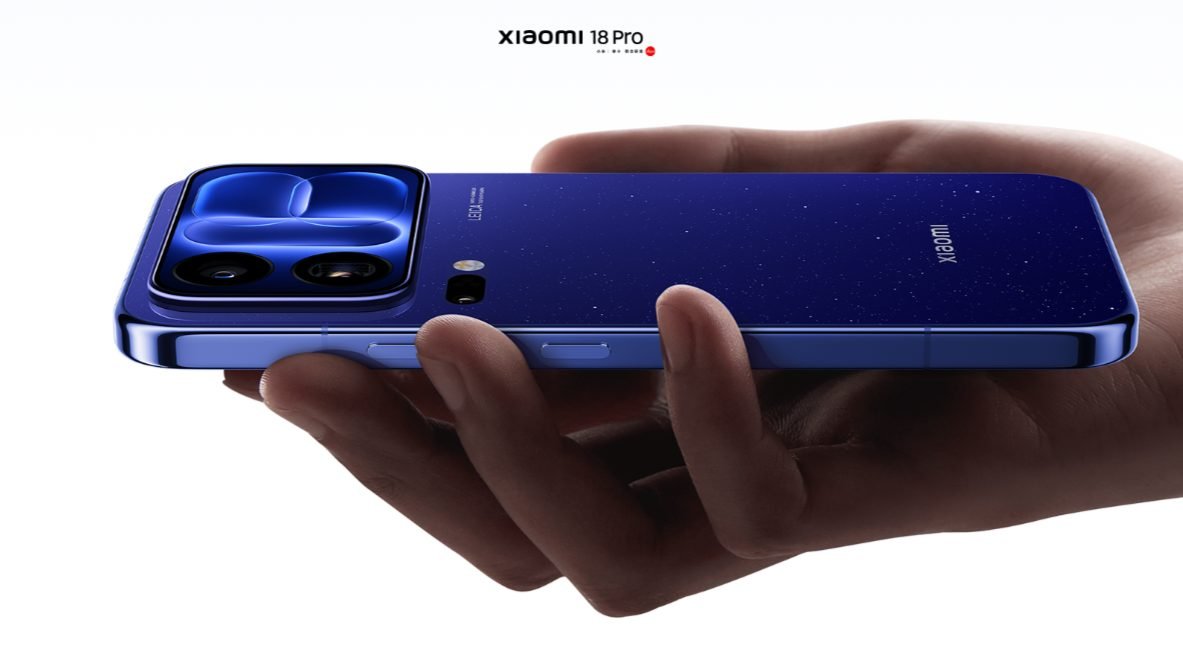
Secondary displays on phones have often felt like expensive extras that people stop using after a week. Xiaomi's approach is different because the screen becomes personal. If you can create a small tool whenever you need one, you don't have to wait for developers to build a widget for it.
It's especially handy when your phone lies face-down on a desk or in the kitchen, where a focus timer or cooking timer can stay visible without waking the main screen.
The rest of the phone is just as ambitious, with 200 MP Leica cameras, a hardware privacy display and batteries of up to 8,500 mAh in the Chinese models. You can find the full specs, prices and global launch details in our article about the Xiaomi 18 Pro and 18 Pro Max launch.
Final thoughts
AI-generated mini apps are a clever way to give the rear display a real purpose, and they show where Xiaomi wants to take the idea. Whether the feature becomes genuinely useful will depend on how flexible the AI tools are and how much of it reaches global versions of the phone. We'll know more once the Xiaomi 18 Pro series launches internationally.
