Best OLED TVs 2026: Which OLED TV Should You Buy?
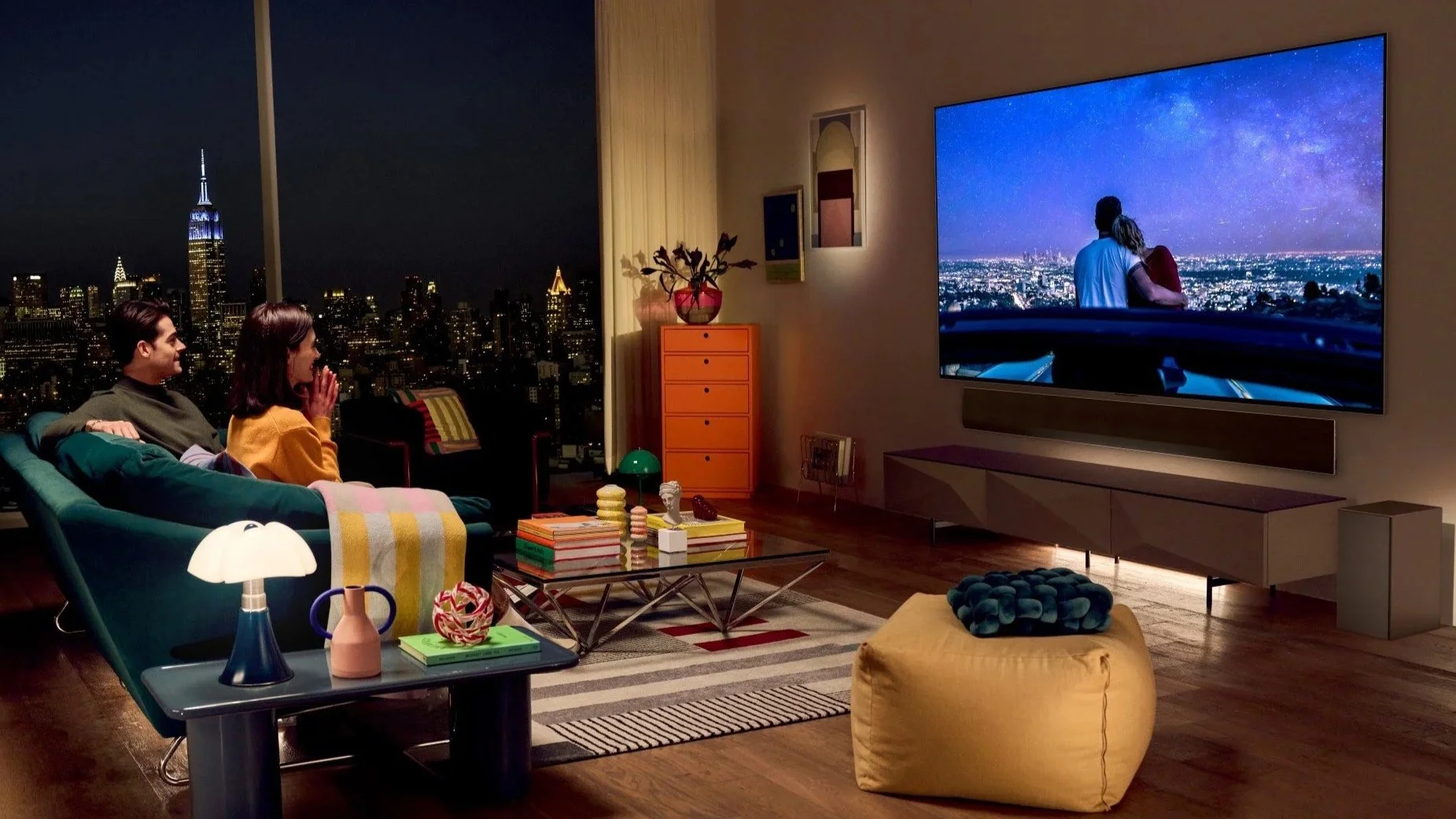
OLED TVs are no longer just the exotic, painfully expensive option sitting at the top of the TV aisle. In 2026, there are great options at different price points from brands like LG, Samsung, Sony, and Panasonic. Here are the best OLED TVs in 2026 and the models we think are most worth buying.
Best OLED TVs 2026
| Rank | Model | Best for | Rating |
|---|---|---|---|
| 1 | LG OLED evo C6 | Best overall | 10/10 |
| 2 | Samsung OLED S95H | Best picture / bright rooms | 10/10 |
| 3 | LG OLED evo G6 | Best premium OLED | 9.9/10 |
| 4 | Sony BRAVIA 8 II | Best for movies | 9.8/10 |
| 5 | Samsung OLED S90H | Best Samsung value | 9.7/10 |
| 6 | Panasonic Z95B | Best built-in sound | 9.6/10 |
| 7 | LG OLED B6 | Best affordable OLED | 9.4/10 |
1. LG OLED evo C6 – best OLED TV overall
Our rating: 10/10
Cons:
Not as bright as the flagship G6 or Samsung S95H
Pros:
Excellent OLED picture quality
Improved brightness
Dolby Vision and Dolby Atmos
Up to 165Hz gaming
NVIDIA G-SYNC and AMD FreeSync Premium
Four HDMI 2.1 ports
Available from 42 to 83 inches
Excellent price-to-performance ratio
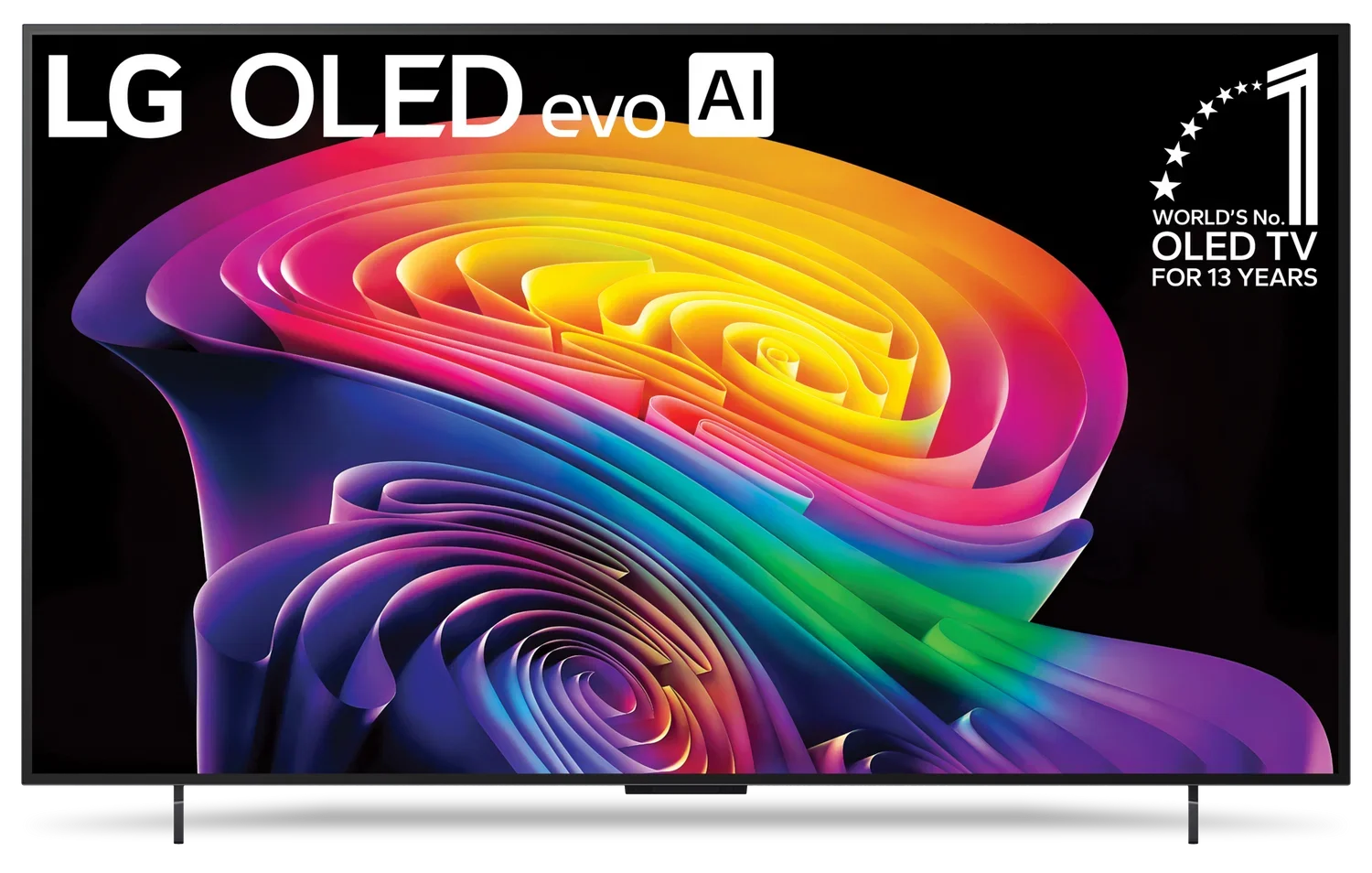
The LG C6 is our number-one OLED TV for 2026 because it gets almost everything right without demanding flagship money. LG combines its Brightness Booster technology with the Alpha 11 AI Processor Gen3, Dolby Vision, Dolby Atmos, and the excellent black levels OLED is known for. It also comes in sizes ranging from a desk-friendly 42 inches all the way to 83 inches.
Gamers get an especially good deal. The C6 supports refresh rates of up to 165Hz with a compatible PC, along with NVIDIA G-SYNC, AMD FreeSync Premium, VRR, and a claimed 0.1ms response time. Four HDMI 2.1 connections also mean your console, gaming PC, and soundbar don't have to play musical chairs with the HDMI ports.
There are brighter and more extravagant OLEDs below, but for most buyers, the C6 is the sweet spot. You could spend much more. The question is whether your eyes would agree that you needed to.
2. Samsung OLED S95H – best OLED for picture quality and bright rooms
Our rating: 10/10
Cons:
No Dolby Vision
Expensive
Pros:
Exceptional brightness
Vibrant OLED color
Excellent Glare Free screen
165Hz gaming support
Four HDMI 2.1 ports
Strong HDR performance
Excellent for bright rooms
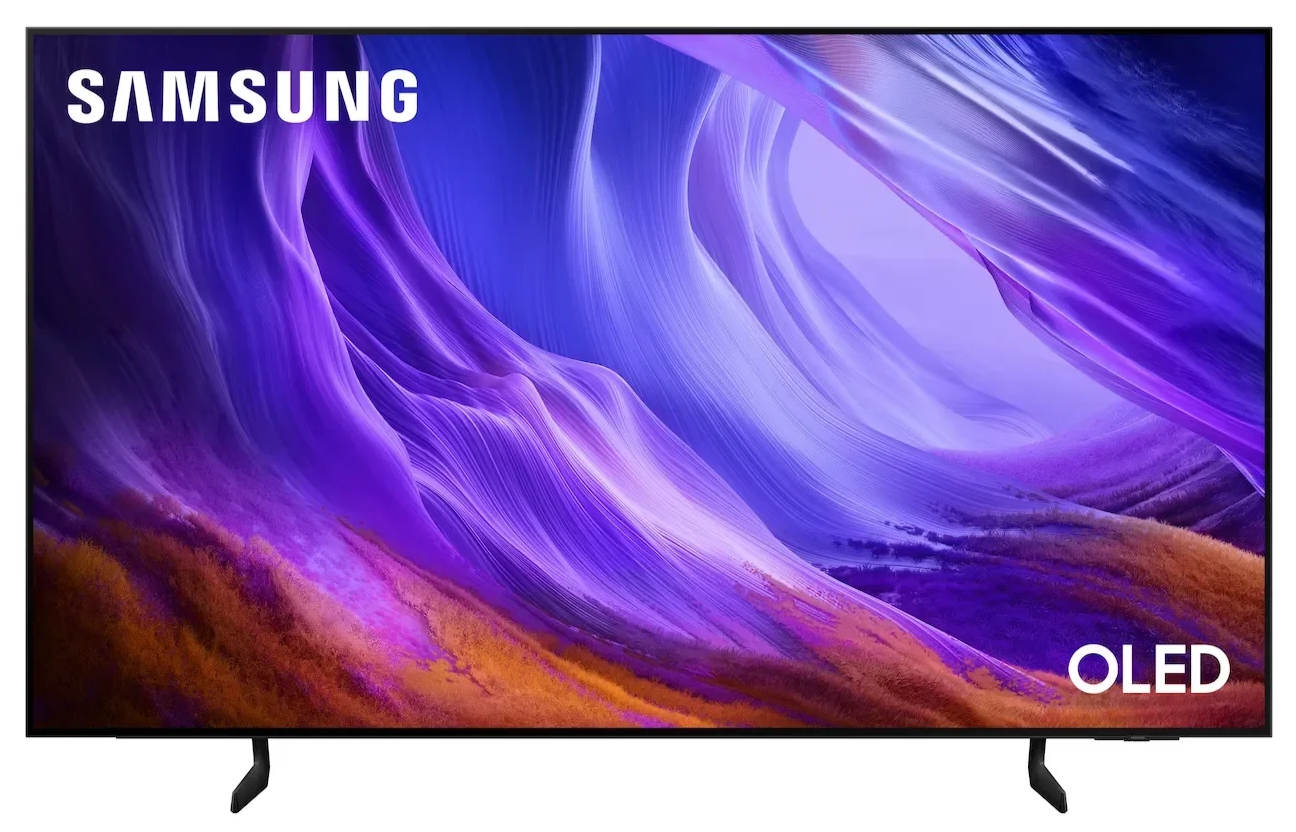
If pure performance is the priority, the Samsung S95H has a strong claim to being the best OLED TV of 2026. Its OLED HDR Pro system, NQ4 AI Gen3 processor, 165Hz gaming capabilities, and excellent anti-reflective Glare Free screen make it unusually capable even in a bright living room. RTINGS currently ranks it as the best OLED TV it has tested in 2026, while it also won the OLED category at the 2026 Value Electronics TV Shootout.
It’s also an outstanding gaming display, with extremely fast response, low input lag, four HDMI 2.1 inputs, and support for high-refresh-rate gaming. Samsung offers the S95H in 55-, 65-, 77-, and 83-inch sizes.
The big omission remains Dolby Vision. Samsung continues to back HDR10+ instead. For most people that won’t ruin movie night, but at this price we wouldn’t mind having every HDR acronym available.
3. LG OLED evo G6 – best premium OLED
Our rating: 9.9/10
Cons:
Expensive
C6 offers better value for most buyers

Pros:
LG's brightest OLED yet
Outstanding contrast and black levels
Excellent reflection handling
Dolby Vision and Dolby Atmos
Up to 165Hz
Premium Gallery Design
Five-year panel warranty
The LG G6 takes much of what makes the C6 excellent and turns the dial toward “because we can.” LG calls it its brightest OLED yet, with Brightness Booster Ultra, a newer high-brightness panel design, Reflection Free Premium technology, and the Alpha 11 AI Processor Gen3. It also supports Dolby Vision, Dolby Atmos, and Filmmaker Mode.
Gaming performance is equally serious: up to 165Hz, NVIDIA G-SYNC, AMD FreeSync Premium, and a 0.1ms response time. Its flush-mounted Gallery Design also makes it particularly attractive if the TV is going on a wall rather than sitting on furniture. LG offers sizes from 55 inches up to a gigantic 97-inch model.
The catch is simple: price. The C6 gets surprisingly close for considerably less money. The G6 is the model you buy when “surprisingly close” isn’t close enough.
4. Sony BRAVIA 8 II – best OLED TV for movies
Our rating: 9.8/10
Cons:
Limited to 120Hz
More expensive than many competitors
Only available in 55- and 65-inch sizes
Pros:
Excellent image processing
QD-OLED panel
Dolby Vision
Superb color reproduction
Excellent motion handling
Google TV
Strong built-in audio
Great PS5 integration
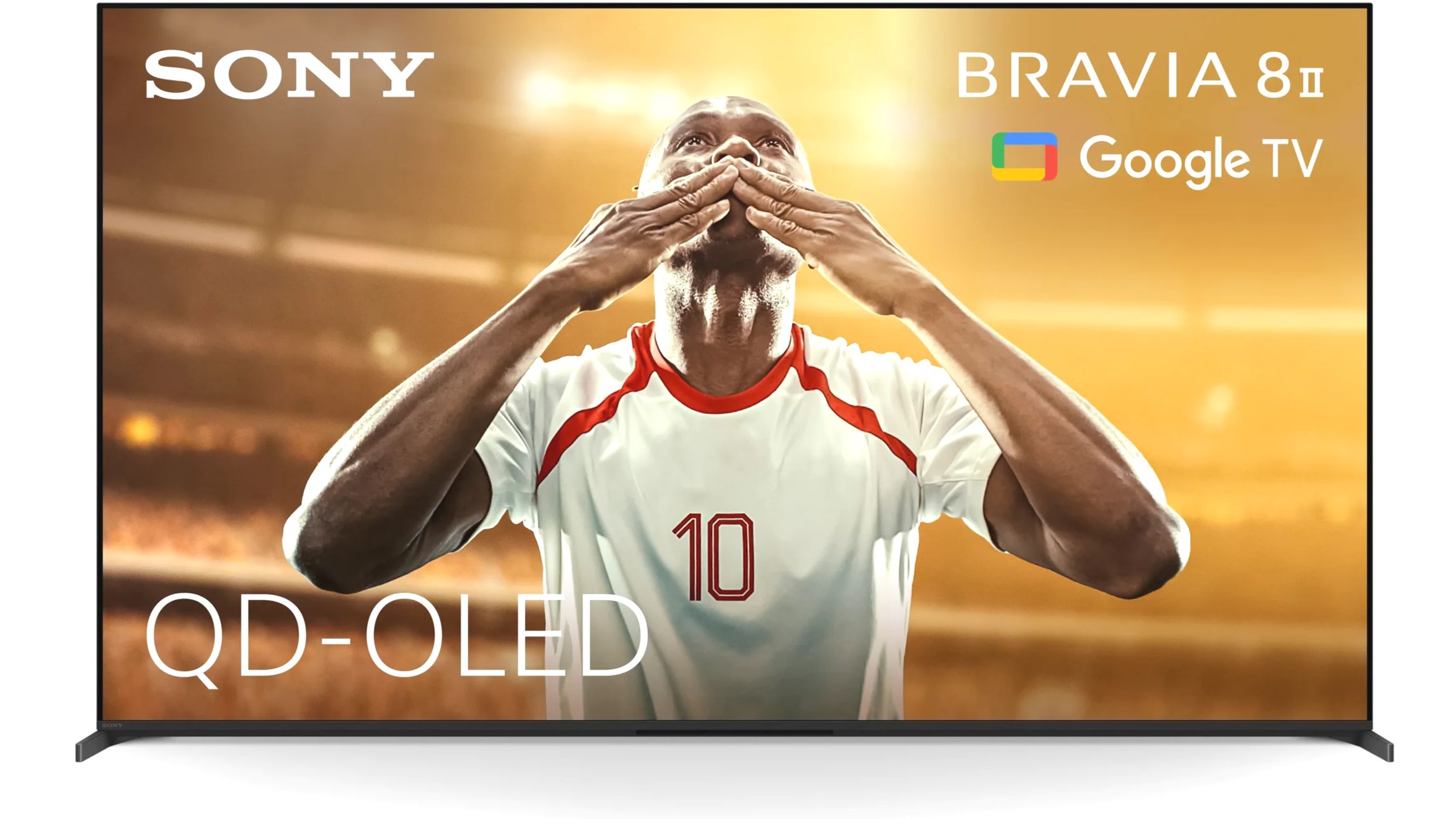
The Sony BRAVIA 8 II is the OLED we'd look at first for a dedicated movie setup. It combines a QD-OLED panel with Sony's excellent image processing, Dolby Vision, strong motion handling, and Google TV. That makes it especially good at getting the best out of movies and streaming content rather than simply winning the brightness-number Olympics.
It also supports 4K at 120Hz, VRR, and ALLM, making it a strong gaming TV, especially when paired with a PlayStation 5. Sony's Acoustic Surface Audio technology uses the display itself to produce sound, helping dialogue feel as though it comes from the person speaking rather than from somewhere underneath the furniture. Sony officially lists HDMI 2.1 features including 4K120 and VRR for the BRAVIA 8 II.
If your priorities are cinematic image quality, natural processing, and Dolby Vision rather than 165Hz PC gaming, Sony remains very difficult to ignore. RTINGS also highlights the BRAVIA 8 II as a strong alternative to Samsung's S95H for movie enthusiasts.
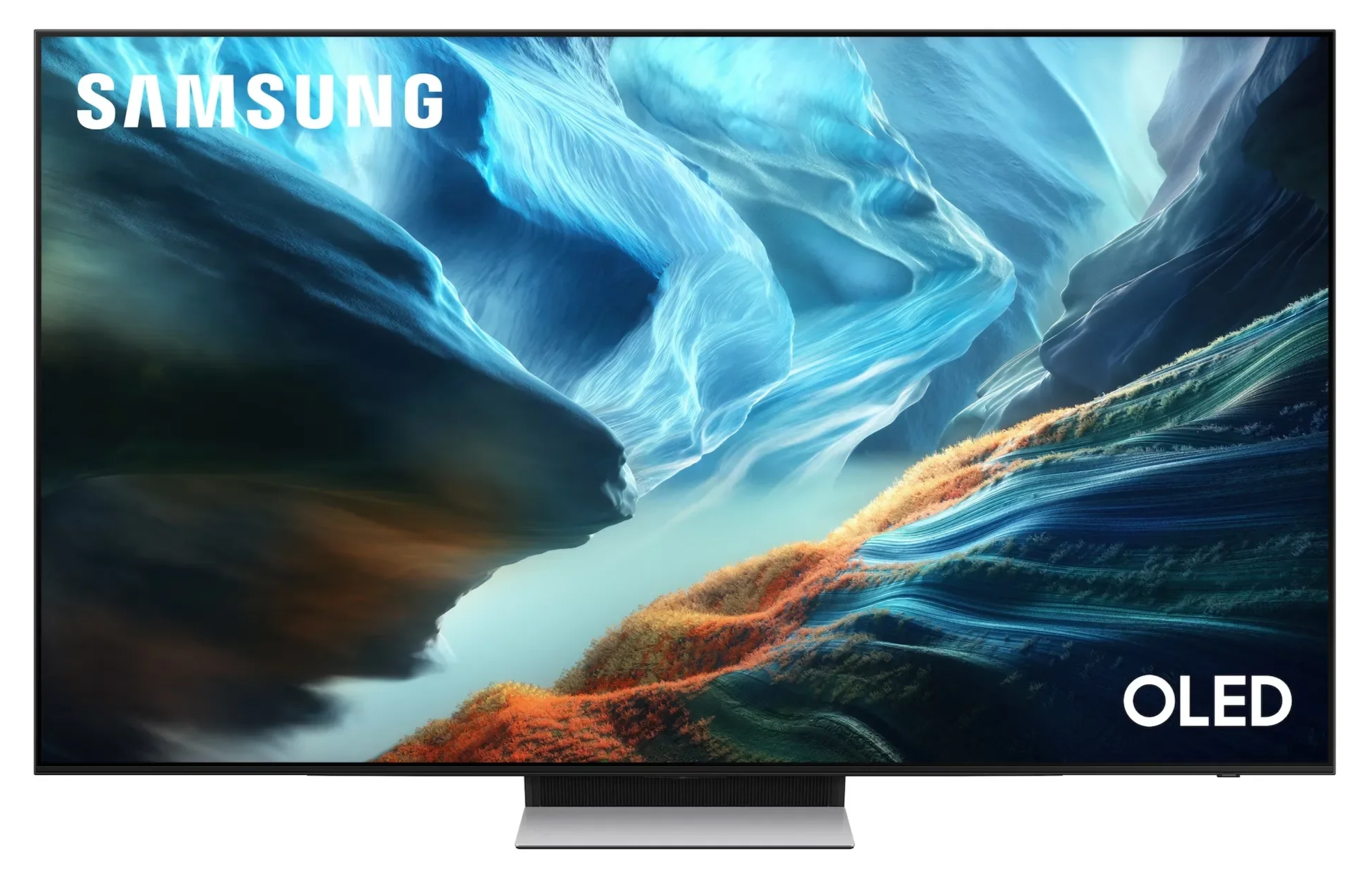
5. Samsung OLED S90H – best-value Samsung OLED
Our rating: 9.7/10
Cons:
No Dolby Vision
S95H is significantly brighter
Pros:
Excellent OLED picture
165Hz gaming
Glare Free screen
NQ4 AI Gen3 processor
Four HDMI connections supporting high frame rates
HDR10+
Slim design
The Samsung S90H is the model to consider if you like what Samsung does with OLED but don't necessarily need the flagship S95H. It still offers the NQ4 AI Gen3 processor, OLED HDR+, Samsung's Glare Free treatment, and refresh rates up to 165Hz.
It is particularly attractive for gaming thanks to 4K high-refresh-rate support across its HDMI connections, VRR, low-latency features, and Samsung's gaming ecosystem. Compared with LG's C6, the Samsung handles reflections particularly well, although testing from RTINGS found the LG to be brighter in HDR and stronger in processing.
Think of the S90H as the sensible Samsung OLED. And yes, describing a premium OLED television as “sensible” tells you everything you need to know about this industry.
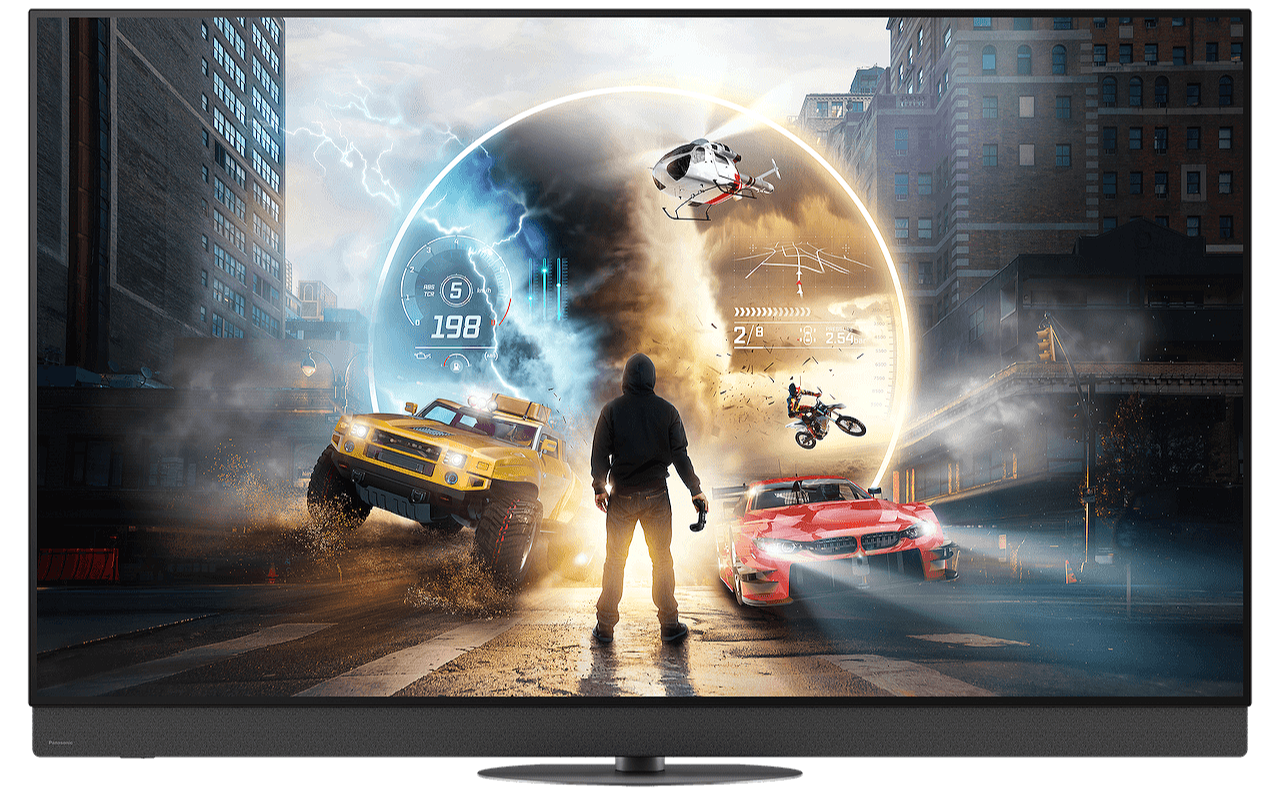
6. Panasonic Z95B – best OLED for built-in sound
Our rating: 9.6/10
Cons:
Only two HDMI 2.1 ports
Premium price
Less mainstream than LG and Samsung
Pros:
Primary RGB Tandem OLED panel
Excellent cinematic picture
Dolby Vision and HDR10+
Up to 144Hz
Strong built-in 5.1.2 audio system
Fire TV
NVIDIA G-SYNC and AMD FreeSync Premium
The Panasonic Z95B is one of the more unusual entries in this ranking and a particularly interesting option for home-cinema fans. It uses a high-brightness Primary RGB Tandem OLED panel and supports both Dolby Vision and HDR10+, something relatively few premium OLED TVs can claim. Panasonic also focuses heavily on accurate picture reproduction and calibration features.
Its other party trick is sound. Panasonic builds a 5.1.2-channel audio system into the TV, so the Z95B can deliver considerably more ambitious sound than the thin speakers found in most televisions. Gaming support includes up to 144Hz, FreeSync Premium, and G-SYNC compatibility.
If you'd rather not add a soundbar immediately after spending several thousand dollars on a television, Panasonic has clearly been listening.
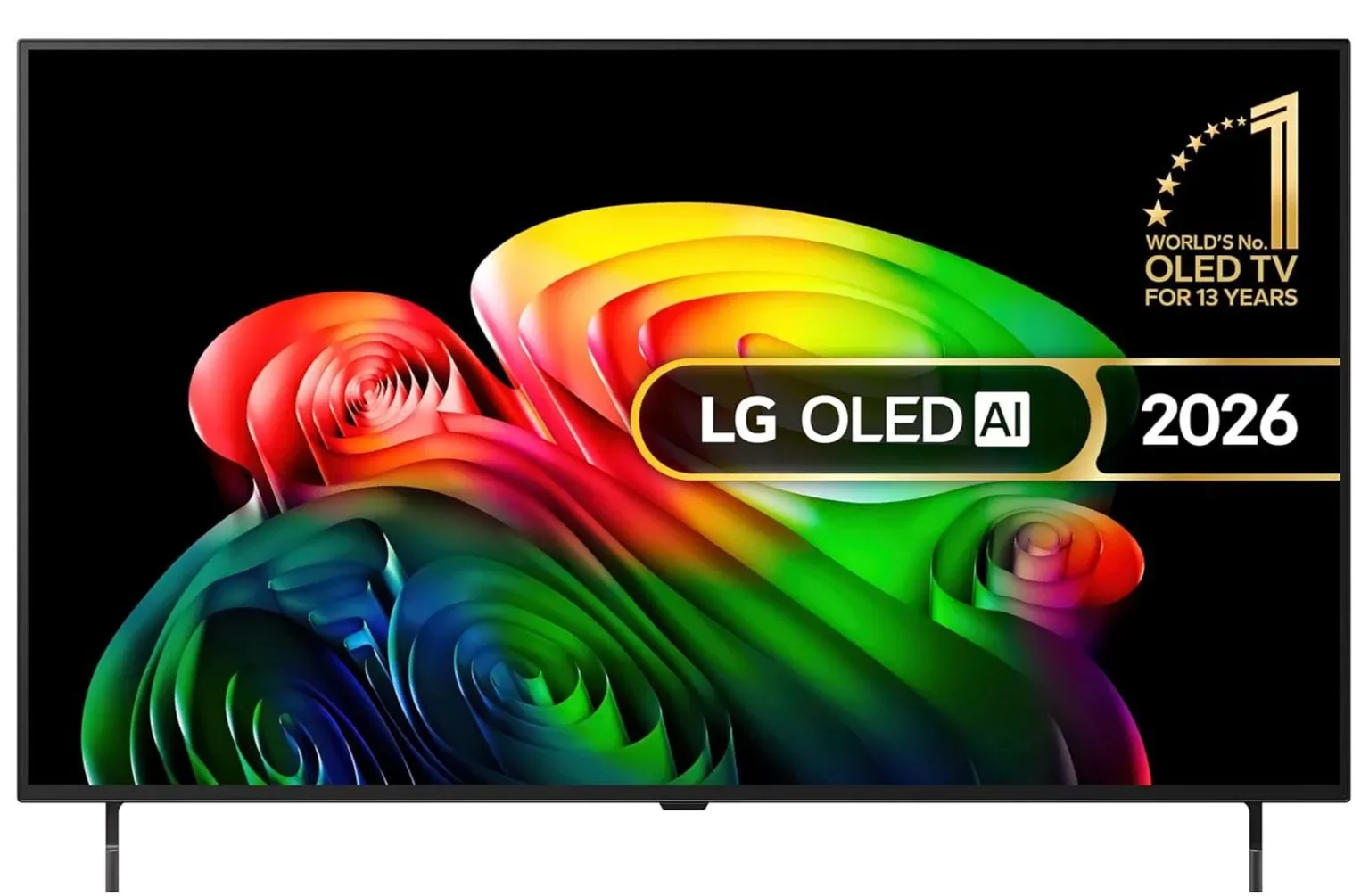
7. LG OLED B6 – best affordable OLED
Our rating: 9.4/10
Cons:
Lower brightness than more expensive OLED models
120Hz rather than 165Hz
Pros:
Excellent OLED black levels
Dolby Vision and Dolby Atmos
120Hz refresh rate
NVIDIA G-SYNC and AMD FreeSync Premium
0.1ms response time
webOS
Lower price than C6 and G6
The LG B6 is the OLED to watch if price matters more than having every flagship feature. You still get over 8.3 million self-lit pixels, the Alpha 8 AI Processor Gen3, Dolby Vision, Dolby Atmos, Filmmaker Mode, and LG's familiar webOS platform.
Gamers aren't left behind either. The B6 supports 120Hz, NVIDIA G-SYNC, AMD FreeSync Premium, and a claimed 0.1ms response time. Unless your gaming PC is powerful enough to make 120Hz feel painfully slow — congratulations on your graphics card, by the way — that should be plenty.
It isn't as bright or as advanced as the C6, but that's exactly the point. The B-series gives you the feature that really matters — an OLED panel — while cutting some of the expensive extras.
Why choose an OLED TV?
The main advantage of OLED is that every pixel produces its own light. Unlike an LED or Mini-LED TV, there is no separate backlight illuminating the screen. That means individual pixels can switch completely off, producing true black and exceptionally high contrast.
Dark scenes can reveal details that are harder to see on conventional LED TVs, while bright objects can appear directly next to completely black areas without the blooming sometimes visible on backlit displays. If you'd like a deeper explanation of the differences, check out our guide to LED vs. OLED vs. QLED and plasma TVs.
OLED TVs are great for movies
Movie fans are perhaps the most obvious audience for OLED. Perfect black levels, excellent contrast, wide viewing angles, and strong HDR performance can create an extremely cinematic image, particularly when you're watching in a darker room.
Dolby Vision support can also matter if you watch a lot of compatible streaming or Blu-ray content. LG, Sony, and Panasonic support it on the models in this ranking, while Samsung continues to use HDR10+ instead.
OLED TVs are excellent for gaming
OLED pixels respond extremely quickly, making the technology naturally well suited to games. Modern models add features such as 120Hz or 165Hz refresh rates, HDMI 2.1, VRR, ALLM, G-SYNC, and FreeSync, depending on the TV.
For PlayStation 5 and Xbox Series X users, 4K at 120Hz is the important target. PC gamers can go further, with models such as the LG C6, LG G6, Samsung S90H, and Samsung S95H supporting up to 165Hz.
Just remember: buying a 165Hz OLED will make your game look smoother. It will not explain why you lost…
What about OLED burn-in?
Burn-in describes permanent image retention caused by displaying the same static elements for extremely long periods. Modern OLED TVs include multiple protection systems designed to reduce the risk, including:
pixel shifting;
automatic brightness adjustment for static logos;
screen savers;
pixel-cleaning or panel-refresh routines.
For normal mixed viewing — movies, streaming, gaming, sports, and regular TV — burn-in is much less of a concern than it was with early OLED generations.
It can still matter if your television displays the same static elements for many hours every day, such as a news ticker, permanent game HUD, or desktop interface. Recent testing guidance continues to treat burn-in as possible under unusually heavy static use, even though modern OLEDs have become significantly more resistant.
If that describes how you use a TV, a Mini-LED model may be worth considering instead.
OLED or Mini-LED?
OLED remains our preference if you prioritize:
perfect blacks;
dark-room movie watching;
wide viewing angles;
extremely fast response;
premium gaming performance.
Mini-LED makes more sense if you prioritize:
very high brightness;
a heavily sunlit room;
lots of static content;
no OLED-style burn-in concern.
The gap between them has become surprisingly small. Premium Mini-LED TVs are much better at black levels than traditional LED models, while modern OLED TVs have become significantly brighter.
For more detail, check out our guide to Mini-LED and MicroLED and how they compare with OLED and QLED.
How we chose the best OLED TVs
We didn't simply rank the most expensive televisions from first to last. A $4,000 TV being excellent isn't particularly surprising.
Our ranking considers picture quality, brightness, HDR support, gaming features, smart-TV software, connectivity, available screen sizes, and overall value.
That's why the LG C6 takes first place even though the Samsung S95H and LG G6 can outperform it in certain areas. The C6 delivers enough premium performance for enthusiasts while remaining much easier to recommend to the average buyer.
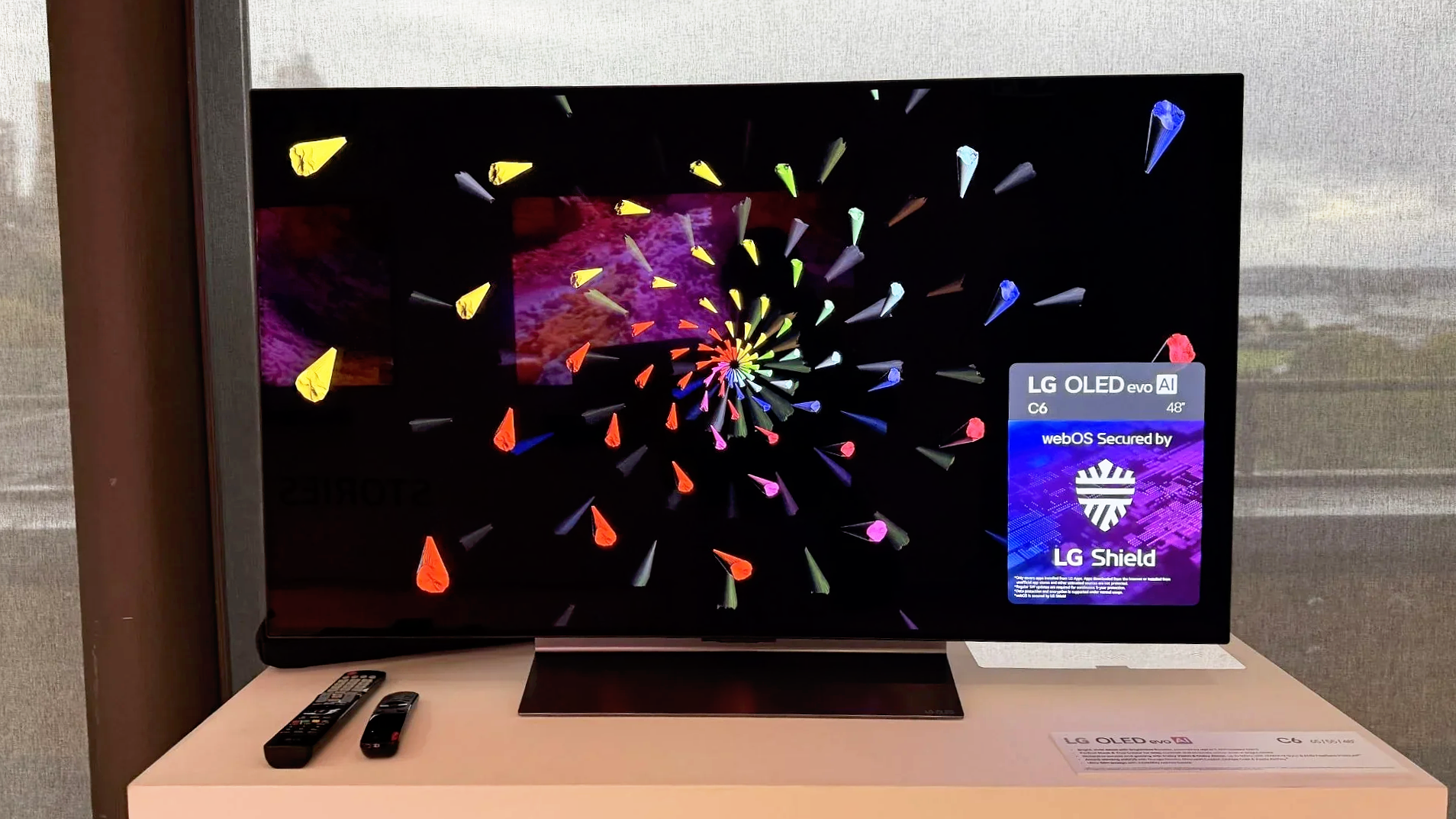
The result is a ranking that ranges from relatively cheap OLEDs such as the LG B6 to flagship models such as the Samsung S95H and LG G6.
Because the best OLED TV isn't necessarily the one with the biggest number on the price tag.
It's the one that makes the most sense once it's actually sitting in your living room.
