Huawei FreeClip 2: What’s New in Huawei’s Open-Ear Earbuds?
Huawei FreeClip 2 are the second generation of the company’s unusual open-ear wireless earbuds. Instead of sitting inside your ear canal, they clip around the outside of your ear, letting you listen to music while still hearing what’s happening around you. The new model is lighter, more comfortable, louder, and adds several useful smart features.
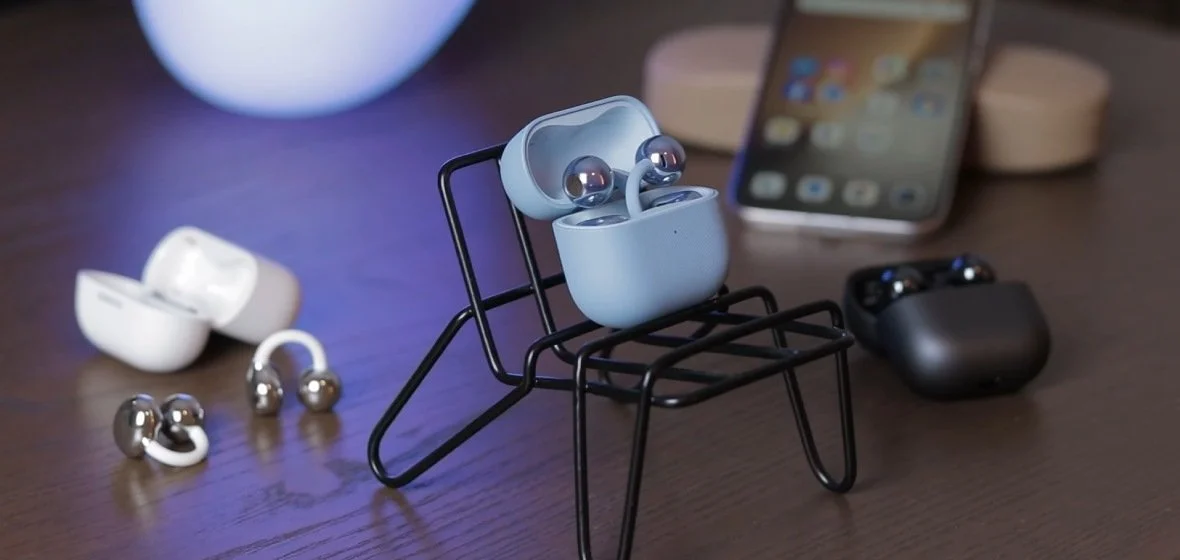
Huawei FreeClip 2 went on sale on January 22, 2026, building on the design of the original FreeClip with improved ergonomics, upgraded audio, a smaller charging case, and longer battery life.
But are clip-on earbuds actually useful, and what has Huawei changed for the second generation? Let’s take a closer look.
What are Huawei FreeClip 2
The Huawei FreeClip 2 sit somewhere between consumer electronics and a fashion accessory. Instead of using a conventional earbud that goes inside your ear canal, each FreeClip wraps around the outer part of your ear using Huawei’s distinctive C-bridge design. That means your ear canal remains open.
The biggest advantage is simple: you can listen to audio without isolating yourself from the world around you. You can still hear train announcements, conversations, doorbells, traffic, or a bicycle approaching from behind.
That makes open-ear earbuds particularly interesting for people who walk, run, commute, or cycle in environments where situational awareness matters.
The trade-off, of course, is that they don't isolate outside noise like traditional in-ear earbuds with silicone tips. FreeClip 2 aren't trying to replace noise-canceling earbuds. They're designed for a very different kind of listening.
Open-ear design and comfort
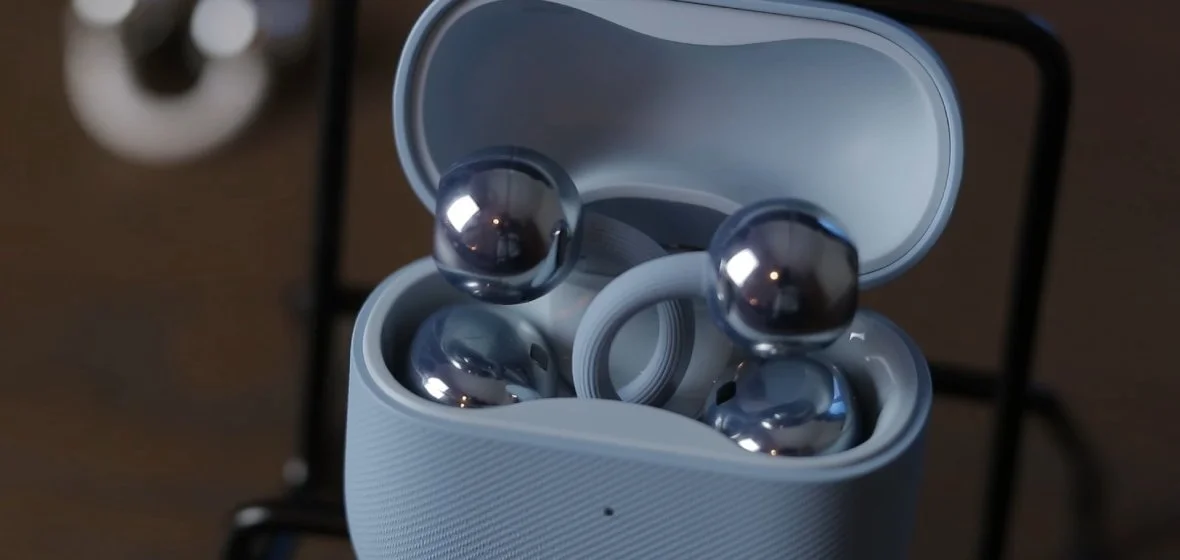
Each Huawei FreeClip 2 consists of two main sections connected by the flexible C-bridge. One side contains the battery and electronics, while the speaker section sits close to your ear canal without actually blocking it.
Inside each earbud you'll find:
a 60mAh battery;
Bluetooth 6.0 connectivity;
a 10.8mm dynamic driver.
Huawei says the shape of the redesigned C-bridge was developed using anatomical data from more than 10,000 ears. The bridge is made from a shape-memory material and is now covered with liquid silicone. According to Huawei, the material is 25% softer than on the original FreeClip, while each earbud now weighs just 5 grams. That low weight is especially important with this kind of design.

Traditional earbuds often create pressure inside the ear canal, while over-ear headphones can become warm or heavy after several hours. Open-ear clip earbuds avoid both problems. Because nothing is inserted deeply into your ear, FreeClip 2 should be particularly appealing to people who find conventional in-ear headphones uncomfortable. The weight distribution is also designed to keep the earbuds stable during movement, making them suitable for walking, running, and workouts.
A smaller and smarter charging case
Huawei has also redesigned the charging case. It measures approximately 50 × 50 × 25mm, making it more compact than the previous-generation case. The earbuds now sit vertically and overlap slightly inside, allowing Huawei to use the available space more efficiently.
FreeClip 2 are available in several finishes, including:
black;
white;
blue.
The white and blue charging cases use a textured finish designed to resemble denim, which should also make small scratches and fingerprints less obvious.
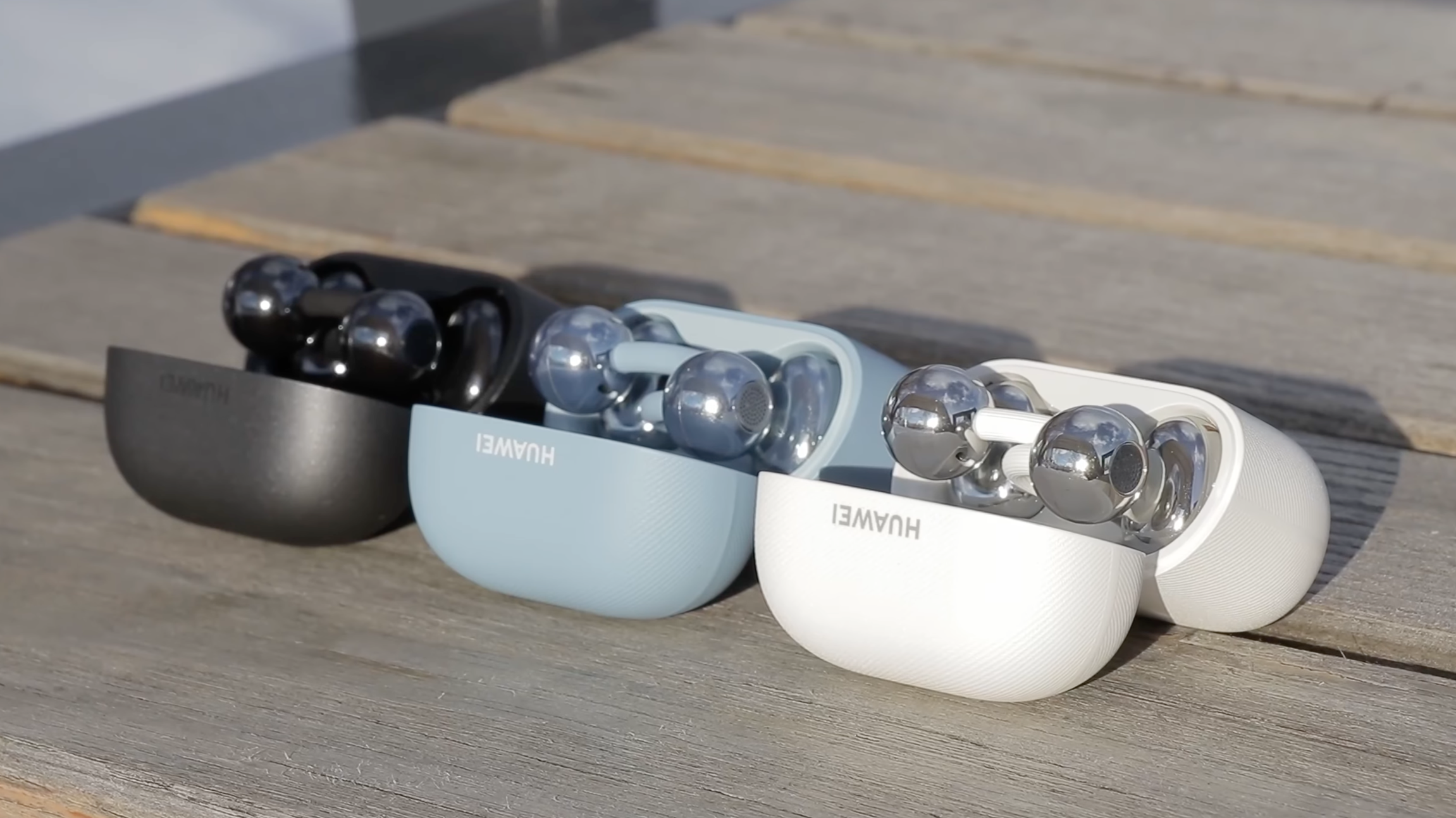
The earbuds themselves carry an IP57 rating, providing protection against dust, sweat, and water. That makes them a much better fit for exercise and outdoor use than a pair of earbuds you'd be afraid to wear the moment the weather app shows a cloud.
Sound quality and the new 10.8mm drivers
Open-ear headphones face an obvious challenge. Because the speaker doesn't create a sealed space inside your ear canal, some sound naturally escapes. That makes producing strong bass and high volume more difficult than with conventional in-ear earbuds. Huawei has tried to compensate with redesigned 10.8mm dual-diaphragm dynamic drivers.
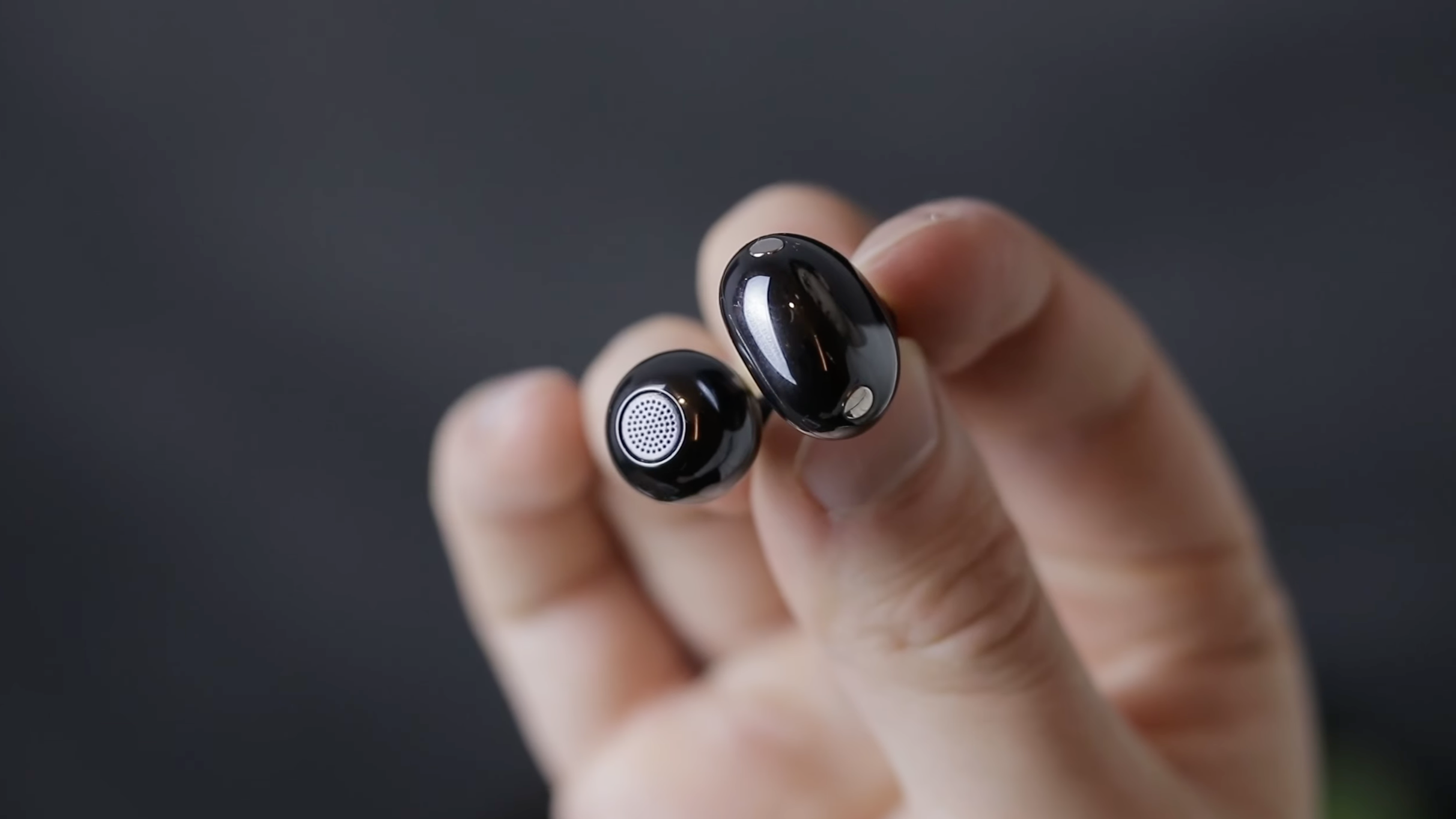
The company claims FreeClip 2 can deliver up to twice the maximum volume of the original FreeClip. That improvement could be particularly useful outdoors, where open-ear headphones have to compete with traffic, conversations, and other environmental noise.
Huawei describes the sound tuning as balanced, with an emphasis on:
a wide and spacious presentation;
stronger, more controlled bass;
clear mids and highs;
improved speech reproduction for podcasts and calls.
The open design should naturally contribute to a spacious feeling, since your ears aren't physically sealed. But it's worth remembering what FreeClip 2 are designed for.
If your priority is maximum bass, complete isolation, or powerful Active Noise Cancellation, conventional in-ear earbuds will still make more sense. FreeClip 2 are about combining audio with awareness of your surroundings. That distinction is important.
Bluetooth, apps and smart features
Huawei FreeClip 2 use Bluetooth 6.0 and work with Android, iOS, Huawei phones, tablets, laptops, and other Bluetooth devices. Huawei offers different companion apps depending on your platform:
Android: AI Life
iPhone: Audio Connect
The apps allow you to check battery levels, adjust settings, manage connections, and customize the sound. There are also several features that make the FreeClip 2 more interesting than their unusual shape might initially suggest.
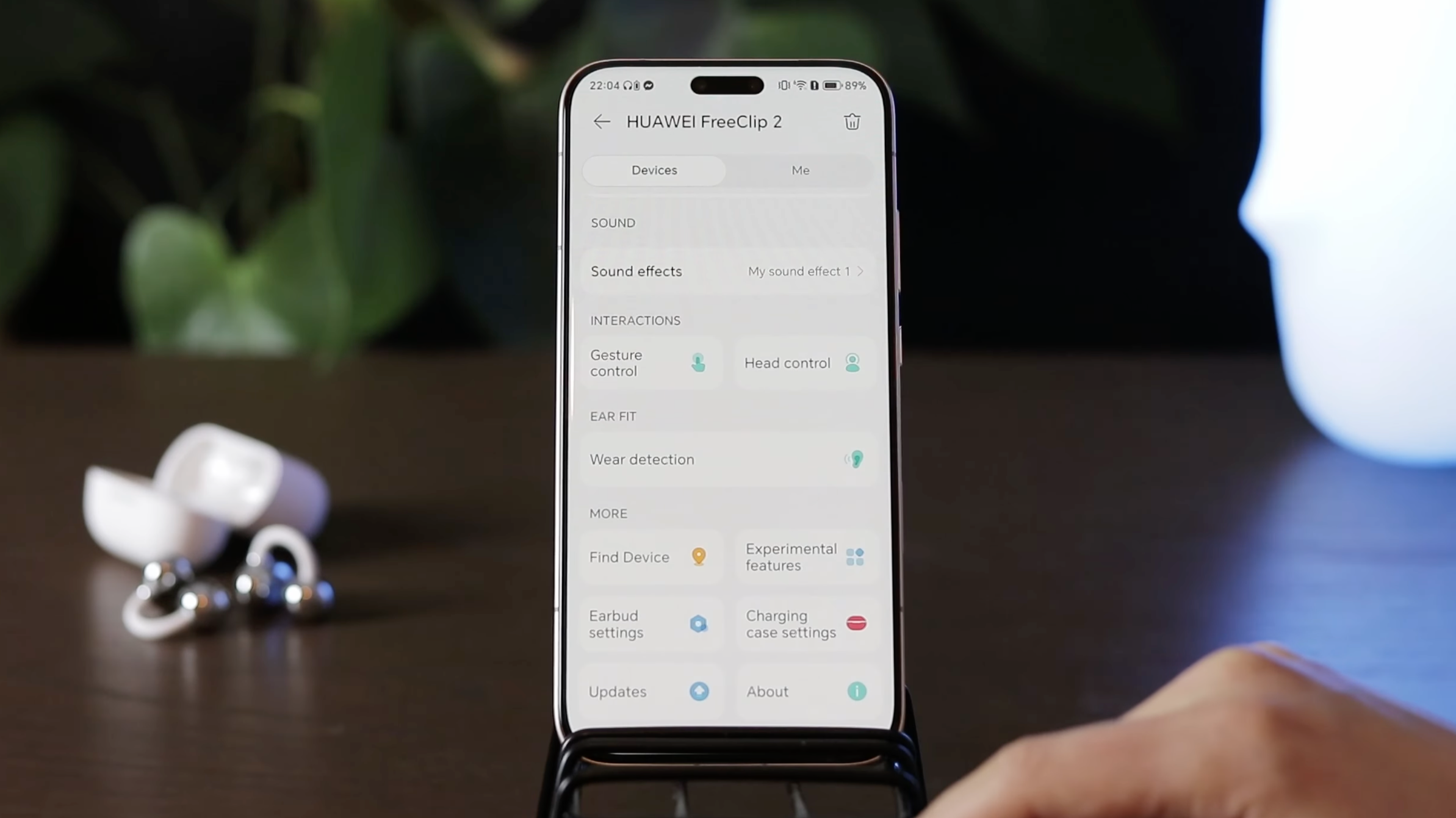
Customizable EQ
The app includes an equalizer, allowing you to change the sound profile. You can emphasize bass, use a more neutral setting, or customize the tuning according to your preferences.
That's particularly useful with open-ear headphones because their sound can be affected more noticeably by how they sit on your ears.
Touch controls and volume adjustment
FreeClip 2 support touch controls for basic playback functions.
You can also swipe along the earbud to adjust volume, which means you don't have to reach for your phone every time a particularly enthusiastic podcast intro arrives.
Head gestures
You can control incoming calls using your head. A nod can answer a call, while shaking your head can reject it.
It sounds slightly futuristic, but there are situations where it could genuinely be useful — particularly when your hands are occupied.
Automatic left and right detection
This may be one of the smartest parts of the FreeClip design. The two earbuds are effectively identical. You don't have to inspect them for a tiny L or R symbol before putting them on.
Instead, FreeClip 2 automatically recognize which ear they're attached to and assign the correct left and right audio channels. For something you'll potentially put on and remove several times every day, that's a small but genuinely useful convenience.
Low Latency Mode
Huawei also includes a Low Latency Mode designed to reduce the delay between video and audio.
That should make the earbuds more suitable for gaming and watching video, where obvious audio lag can quickly become distracting.
Find My Earbuds
If you misplace one of the FreeClip 2 earbuds, the app can make it play a loud sound. Huawei has gone one step further here. According to the company, the earbuds can also detect when one falls off your ear and automatically play an alert to make it easier to find.
Given the size of wireless earbuds, anything that helps prevent one from permanently moving underneath a sofa deserves some appreciation.
Battery life and fast charging
Battery life is another area where Huawei has improved the second generation. FreeClip 2 offer up to 9 hours of listening from the earbuds themselves, compared with up to 8 hours from the original model.
With the charging case, total battery life reaches up to 38 hours. That's strong endurance for a pair of compact wireless earbuds and should be enough for several days of typical use.
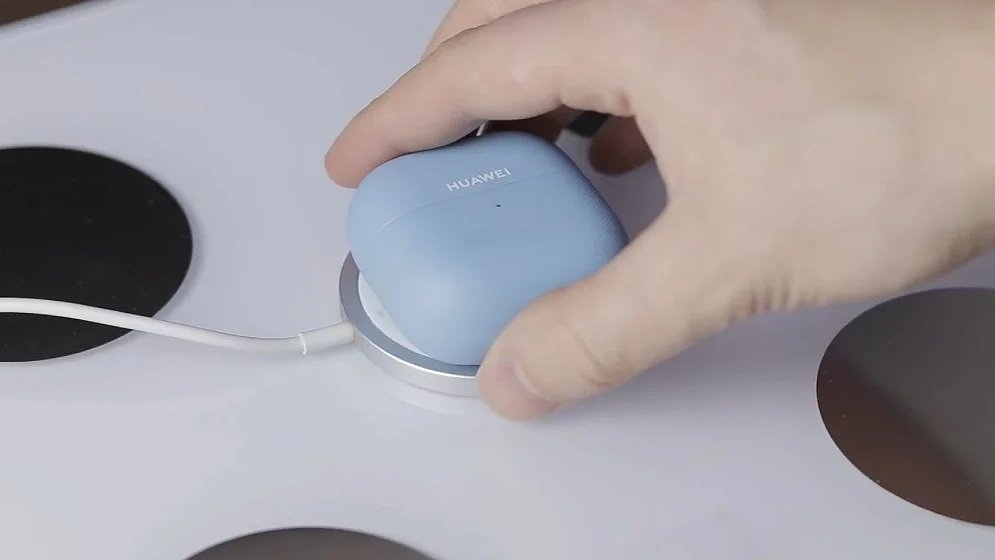
Fast charging is included too. Huawei says 10 minutes in the charging case can provide up to 3 hours of listening. That's exactly the kind of specification that becomes important approximately ten minutes before leaving the house.
The charging case also supports Qi wireless charging, so you can place it on a compatible charging pad instead of plugging in a USB cable.
Open-ear earbuds vs. regular earbuds
The most important question isn't whether FreeClip 2 are better than conventional earbuds. It's whether their design better suits the way you listen.
Traditional in-ear earbuds are usually better if you want:
strong passive noise isolation;
powerful bass;
Active Noise Cancellation;
maximum immersion;
privacy in noisy environments.
Open-ear earbuds such as the Huawei FreeClip 2 make more sense if you want:
greater awareness of your surroundings;
less pressure inside your ears;
comfortable all-day listening;
safer outdoor listening;
something suitable for walking or running;
audio that doesn't completely disconnect you from other people.
They're two different approaches. You could think of conventional earbuds as creating a private listening space, while FreeClip 2 are designed to make audio part of your surroundings.
Who are Huawei FreeClip 2 for
Open-ear headphones have become increasingly popular because they solve a problem that traditional earbuds don't always handle particularly well: how do you listen to something without completely shutting out everything around you? Huawei FreeClip 2 take that concept seriously.
They're lighter than the previous generation, use a softer C-bridge, offer longer battery life, add Bluetooth 6.0, and introduce redesigned 10.8mm drivers with significantly higher claimed output.
They also include useful features such as automatic left/right recognition, head gestures, EQ controls, low-latency audio, wireless charging, and Find My Earbuds.
But their biggest feature is still the simplest one: your ears remain open.
That makes FreeClip 2 particularly interesting for people who spend a lot of time walking around cities, exercising outdoors, working in environments where they need to hear other people, or simply dislike having silicone ear tips inside their ears.
If you want maximum isolation, deep bass, and strong ANC, look elsewhere.
But if you want your music to accompany you without completely separating you from the outside world, Huawei FreeClip 2 offer one of the more interesting alternatives to traditional wireless earbuds.
