What Is ANC? How Active Noise Cancellation Works in Headphones
Wouldn’t it be great if you could simply turn down the world for a while? A neighbor starts drilling, traffic is honking outside, or someone in the office is having a conversation at roughly jet-engine volume. That’s exactly where Active Noise Cancellation, better known as ANC, comes in. But what is ANC, and how does it actually work?
What is ANC
ANC stands for Active Noise Cancellation. It’s a technology used in headphones and earbuds to reduce unwanted sounds from your surroundings.
Instead of relying only on the physical ear cups or silicone tips to block noise, headphones with ANC use microphones, processors and speakers to actively fight against external sound. The result can be dramatic.
Turn on good ANC while sitting on a train, airplane or bus and the constant rumble around you suddenly becomes much quieter. In an office, it can reduce air-conditioning noise, computer fans and the general background hum.
It doesn't create complete silence, but it can get surprisingly close with the right kind of noise.
How does Active Noise Cancellation work
Sound travels through the air as waves. Your headphones use small microphones to detect those waves before they reach your ears. A processor analyzes the incoming noise and creates another sound wave with the opposite phase.
When the two waves meet, they partially cancel each other out. This is known as destructive interference.
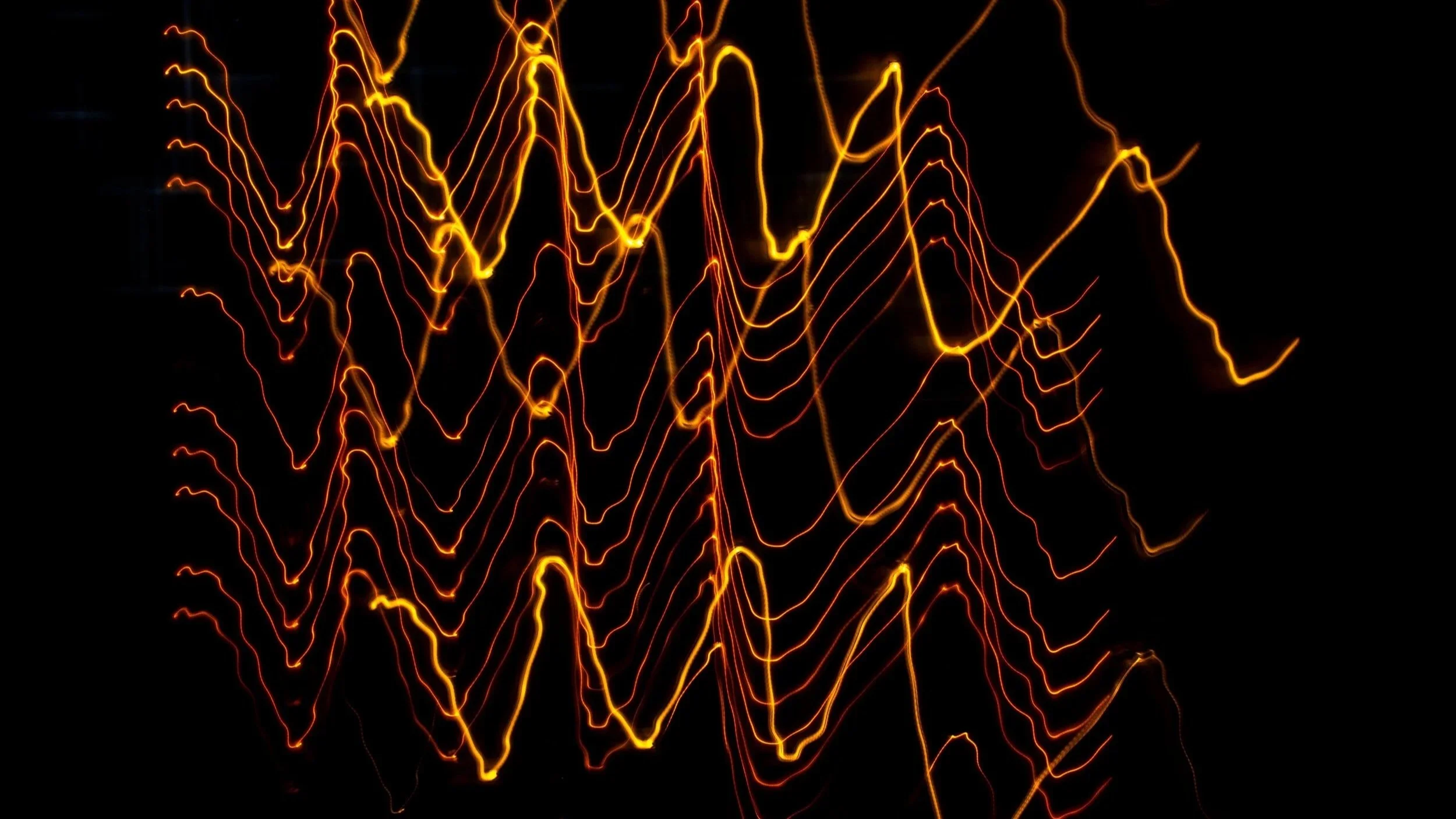
In simple terms:
outside noise + opposite sound wave = much less noise reaching your ears
The interesting part is that ANC technically reduces noise by creating more sound. Your headphones hear the unwanted noise, calculate what its opposite should look like and play that signal through the speakers — all in a fraction of a second.
Thankfully, you don't hear the mathematics happening. You just hear less train.
What ANC struggles with
Sudden and unpredictable sounds are harder to cancel.
Examples include:
someone shouting;
a dog barking;
dishes dropping;
a door slamming;
nearby conversations.
Modern ANC has become much better at reducing voices and irregular noise, but don't expect a pair of earbuds to make a crowded coffee shop completely silent.
If someone sitting next to you suddenly sneezes, physics still wins.
What sounds does ANC block best
ANC works best against steady and predictable sounds, particularly lower frequencies.
That includes:
airplane engines;
train and subway noise;
bus engines;
road rumble;
air-conditioning;
office ventilation;
computer fans;
low-frequency background hum.
These sounds repeat in a relatively consistent way, giving the ANC processor enough time to analyze and counter them.
Passive noise isolation vs. ANC
Active Noise Cancellation is only part of the equation. Headphones also use passive noise isolation, which means physically blocking sound before electronics become involved.
Over-ear headphones do this with large padded ear cups. In-ear earbuds use silicone or foam tips to create a seal inside the ear canal. A good seal is extremely important.
If outside sound leaks around the earbud, the ANC system has a much harder job. That’s why simply changing your ear-tip size can sometimes improve noise cancellation dramatically. Modern premium earbuds increasingly combine:
good physical isolation + several microphones + powerful digital processing
rather than relying on ANC alone.
Apple, for example, says the AirPods Pro 3 combine improved computational noise cancellation with new low-noise microphones and redesigned ear tips that include a thin foam layer to improve isolation.
Feedforward, feedback and hybrid ANC
Not every ANC system works in exactly the same way. The main difference is where the microphones are located.
Feedforward ANC
A feedforward ANC system places microphones on the outside of the headphones. They detect environmental noise before it enters your ear and allow the processor to prepare the cancellation signal.
This approach can react quickly to outside noise, but it doesn't directly measure what you actually hear inside the ear.
Feedback ANC
A feedback ANC system places a microphone inside the ear cup or earbud. Instead of only listening to the outside world, it measures the sound that actually reaches your ear.
This allows the headphones to correct errors in real time. The downside is that the system has less time to react because the noise has already entered the headphone.
Hybrid ANC
Most premium noise-canceling headphones and earbuds now use hybrid ANC. Hybrid systems combine external and internal microphones.
The outside microphones detect incoming noise, while the internal microphones check what actually reaches your ears. The processor continuously compares the two and adjusts the cancellation signal. For the user, that usually means stronger and more consistent ANC across a wider range of frequencies.
What is Adaptive ANC
This is where modern noise cancellation becomes much more interesting. Traditional ANC generally operates at a fixed level once you turn it on.
Adaptive ANC automatically changes how strongly it cancels noise depending on what is happening around you.
The headphones may consider factors such as:
how noisy your environment is;
whether you're indoors or outside;
wind;
how well the earbuds fit;
sound leaking around the ear tips;
sudden changes in background noise.
Qualcomm's latest Adaptive ANC systems, for example, can automatically compensate when an earbud becomes slightly loose or when environmental noise suddenly changes. Its newer Snapdragon Sound platforms, integrated in Motorola Razr Ultra or the Xiaomi 15 smartphones for example, use dedicated processing and on-device AI to make those adjustments continuously. So instead of choosing between simply:
ANC ON and ANC OFF
modern headphones are increasingly deciding how much noise cancellation you need for you.
How modern earbuds are making ANC smarter
The biggest improvements in ANC aren't simply about making everything quieter. The technology is becoming more adaptive, more personalized and better at deciding which sounds you actually need to hear.
ANC now adapts in real time
Samsung's Galaxy Buds4 Pro are a good example. They offer Adaptive ANC 2.0, which Samsung says uses real-time processing to adjust noise cancellation more precisely as your environment changes. The earbuds can move between different levels of noise control rather than maintaining one constant setting.
Sony is taking a similar approach with the Sony WF-1000XM6. Sony combines multiple noise sensors with its Adaptive NC Optimizer and a newer QN3e noise-canceling processor. According to Sony, the processor is three times faster than the one used in the previous WF-1000XM5 generation.
The trend is clear: ANC is becoming much more dynamic.
Your earbuds can compensate for a bad fit
Earbuds constantly move slightly inside your ears. Walking, running, talking or simply changing facial expressions can loosen the seal and allow more outside sound in. Newer adaptive ANC systems can detect this change and automatically adjust their filters to compensate.
Qualcomm's latest platforms specifically account for variations in fit and noise leakage, helping ANC remain consistent even when the position of the earbud changes. This is a major improvement because in-ear ANC is highly dependent on having a proper seal.
ANC and Transparency mode are starting to merge
Older headphones usually gave you three choices:
ANC → Off → Transparency
Modern models increasingly blur those boundaries. Apple's Adaptive Audio can combine noise cancellation and Transparency mode, automatically changing how much of the outside world you hear. Apple’s AirPods also offer Conversation Awareness and Loud Sound Reduction alongside conventional ANC and Transparency modes.
Bose takes a similar approach with ActiveSense on its QuietComfort Ultra Earbuds. When you're using Aware mode, the earbuds can automatically add noise cancellation when a sudden loud sound appears rather than simply letting everything through.
That's an important shift. The future isn't necessarily about blocking more sound. It's about deciding which sound should be blocked and when.
Noise cancellation is becoming personalized
Everyone's ears are different. The shape of your ear canal, the size of the ear tips and the way the earbuds sit can all affect ANC performance. Manufacturers are therefore increasingly calibrating ANC to the individual listener.
Bose's CustomTune technology measures how sound behaves inside the user's ear and adjusts both audio and noise cancellation accordingly. Other systems continuously monitor how much noise is leaking through and adjust automatically.
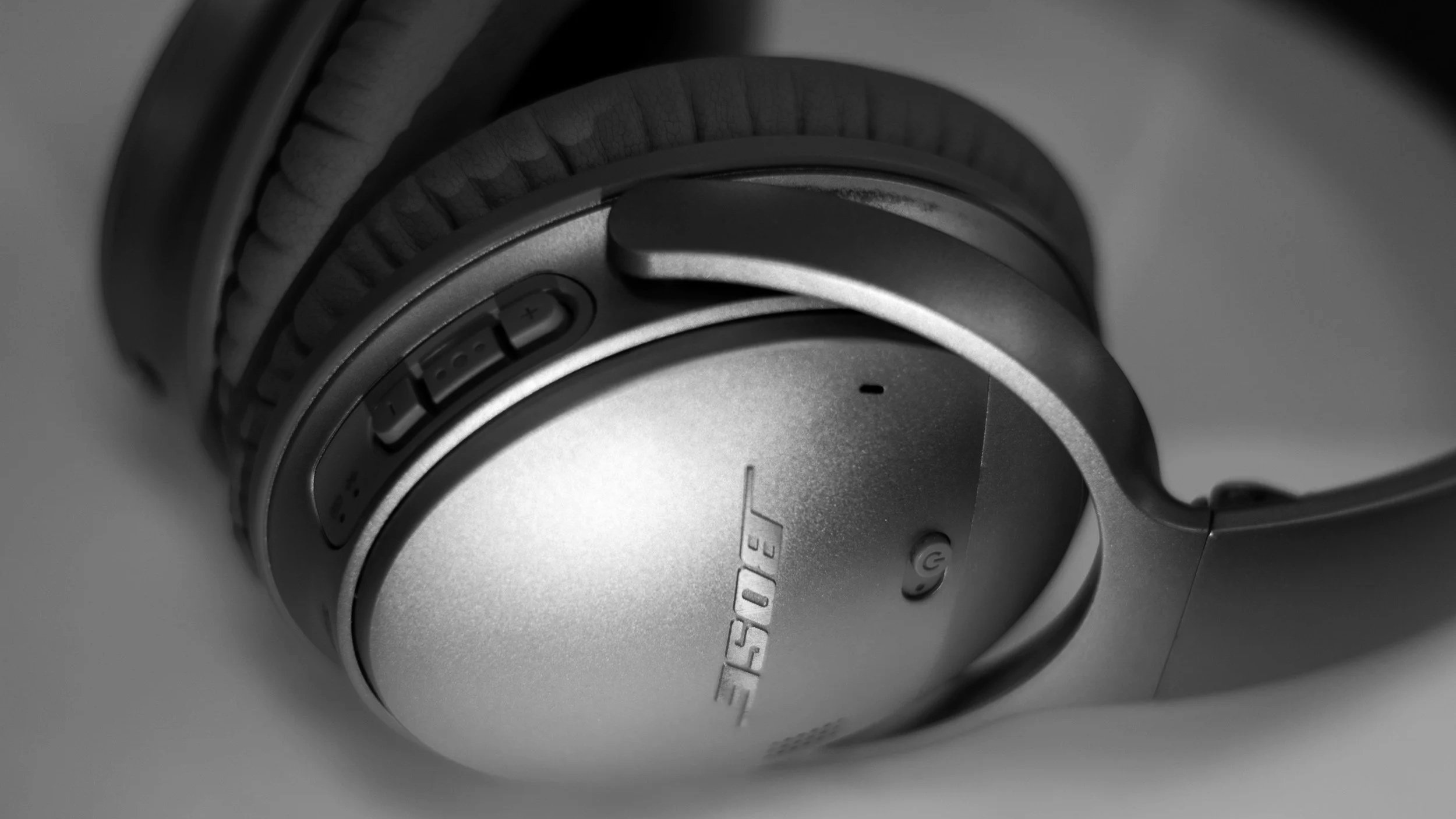
The goal is simple: the same pair of earbuds should work well for more people, rather than being perfectly tuned for an imaginary pair of laboratory ears.
AI is increasingly involved
Artificial intelligence and machine learning are also becoming part of wireless audio processing. This doesn't mean your earbuds are secretly thinking about your music choices.
Instead, AI models can help recognize changing environments, separate speech from background noise and decide how aggressively different filters should respond.
Samsung describes the latest Galaxy Buds4 generation as using intelligent adaptive controls, while Qualcomm's newer audio platforms include dedicated on-device AI processing for features including ANC and transparency. Bose is also using AI-powered noise suppression to improve voice pickup during calls on its latest QuietComfort Ultra Earbuds.
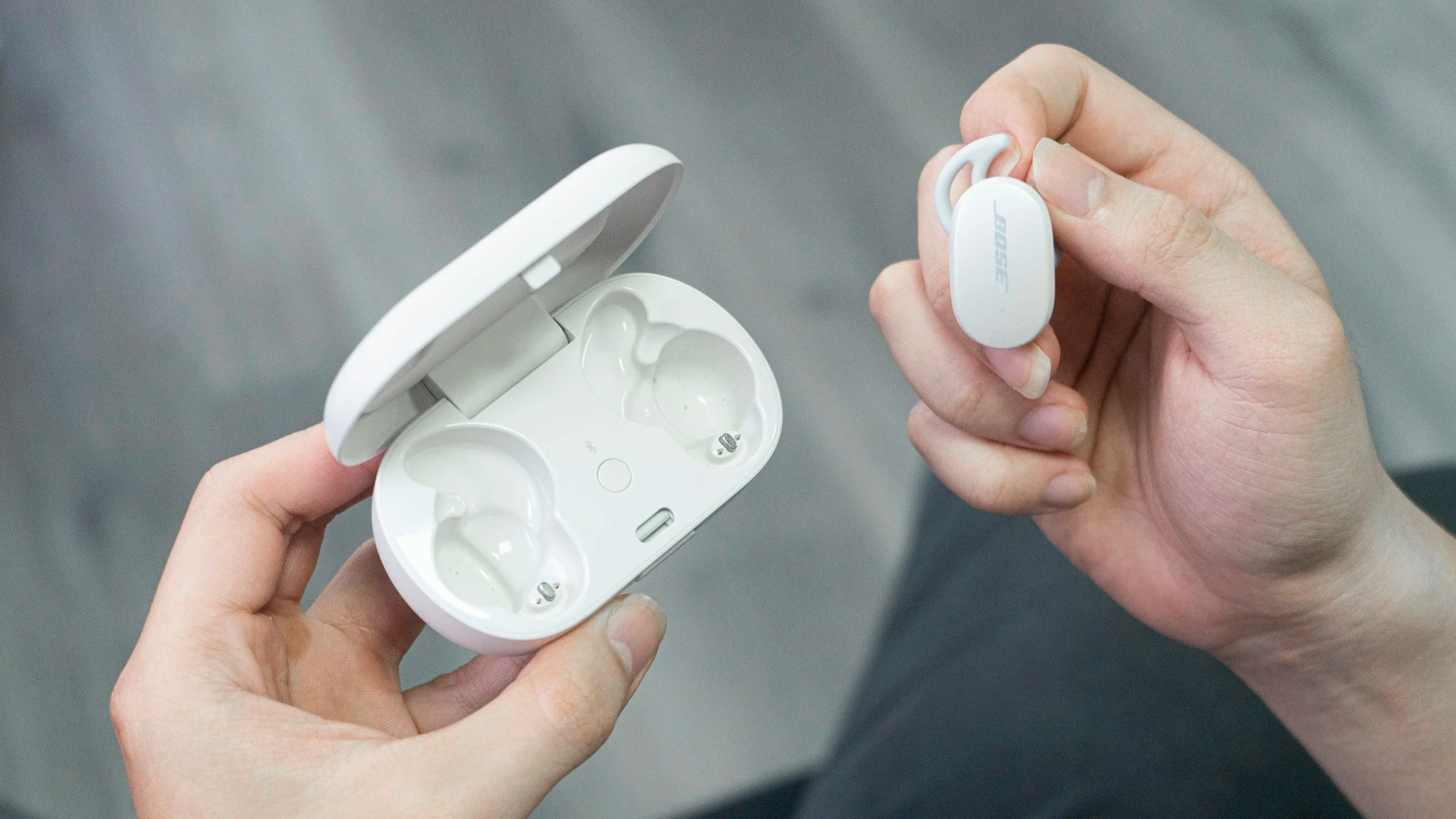
So the same microphones that help silence your commute are increasingly being used to make your voice clearer during calls as well. Looking for a new pair? Check out this ranking of the best wireless headphones with ANC.
Does ANC affect sound quality
Sometimes. Because ANC actively processes the sound reaching your ears, switching it on can slightly change the way headphones sound. You might notice differences in bass, treble, soundstage and overall tonal balance.
This was more noticeable on older ANC products. Modern headphones increasingly design the drivers, microphones, equalization and ANC system as one complete audio platform.
Many models also use Adaptive EQ, which continuously adjusts the frequency response to compensate for changes caused by fit or noise cancellation.
As a result, on good headphones, turning ANC on usually shouldn't dramatically hurt sound quality. But good ANC doesn't automatically mean good sound. A pair of headphones can be excellent at making the world disappear and still make your favorite song sound disappointing.
Does ANC use more battery?
Yes! ANC requires microphones and audio processors to work continuously, which means it consumes additional power. Battery life is therefore usually shorter with ANC enabled. However, modern audio chips have become much more efficient.
Qualcomm's latest platforms, for example, include dedicated low-power hardware for ANC and AI processing rather than relying entirely on the device's main processor.
So while ANC still uses battery, the penalty is generally much smaller than it was on early wireless noise-canceling headphones. Thankfully, you can always charge them up, with any portable power bank you own.
Is ANC safe
ANC itself is generally safe to use, but situational awareness matters. Strong noise cancellation can make it difficult to hear:
bicycles;
cars;
announcements;
warning signals;
people nearby.
This is why Transparency or Ambient modes are so useful. When you're walking through a city or crossing a road, letting some outside sound through is often more important than achieving maximum silence.
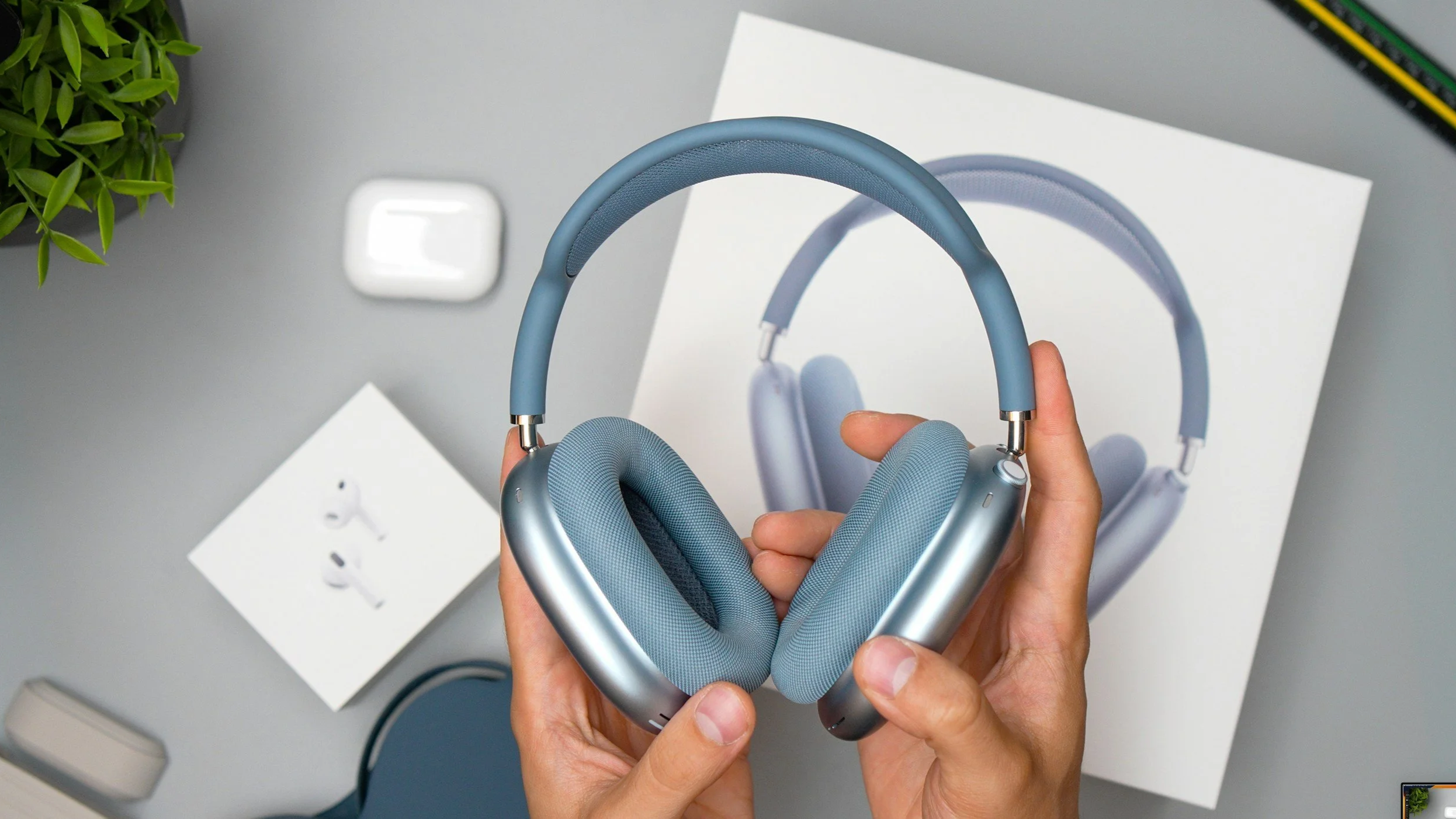
Some modern earbuds can even automatically reduce loud environmental sounds while continuing to let normal surroundings through. Apple, for example, includes Loud Sound Reduction and hearing-protection features in AirPods Max 2.
ANC can also help you avoid increasing your music volume simply to overpower background noise — although safe listening volume still matters regardless of which mode you're using.
Is ANC worth it
If you regularly use headphones outside the house, ANC is one of the most useful features you can have. It makes the biggest difference if you:
commute by bus or train;
fly regularly;
work in an office;
study in cafés or public places;
travel frequently;
want fewer distractions while working;
listen to music in noisy environments.
And you don't actually need to play anything. Turning ANC on without music can make a noisy train, office or airplane considerably more relaxing. Once you become used to good noise cancellation, ordinary headphones can suddenly feel surprisingly noisy.
A short history of ANC
The idea behind noise cancellation is much older than modern wireless headphones. The basic concept of reducing unwanted sound by generating an opposing wave was patented by Paul Lueg in the 1930s.
The technology was still far from something you could put in your pocket, but the principle had been established. And yes, children covering their ears and yelling “la la la, I can’t hear you” technically discovered a much less sophisticated version of the same idea centuries earlier.
The first ANC systems
One of the first practical systems appeared around 1950, when engineer Lawrence J. Fogel worked on technology designed to improve communication for pilots exposed to loud aircraft and helicopter engines.
A few years later, Willard Meeker developed theoretical models and prototypes for active noise control that could be integrated into protective headsets. This makes sense when you think about it.
Before ANC became a feature for enjoying Spotify on a train, it had a much more serious purpose: helping people communicate in environments where the background noise could be overwhelming.
Bose and aviation headphones
ANC moved closer to the products we know today thanks in large part to Amar Bose. The story goes that during a flight from Zurich to Boston in 1978, Bose became frustrated with the poor quality of the headphones provided on the aircraft.
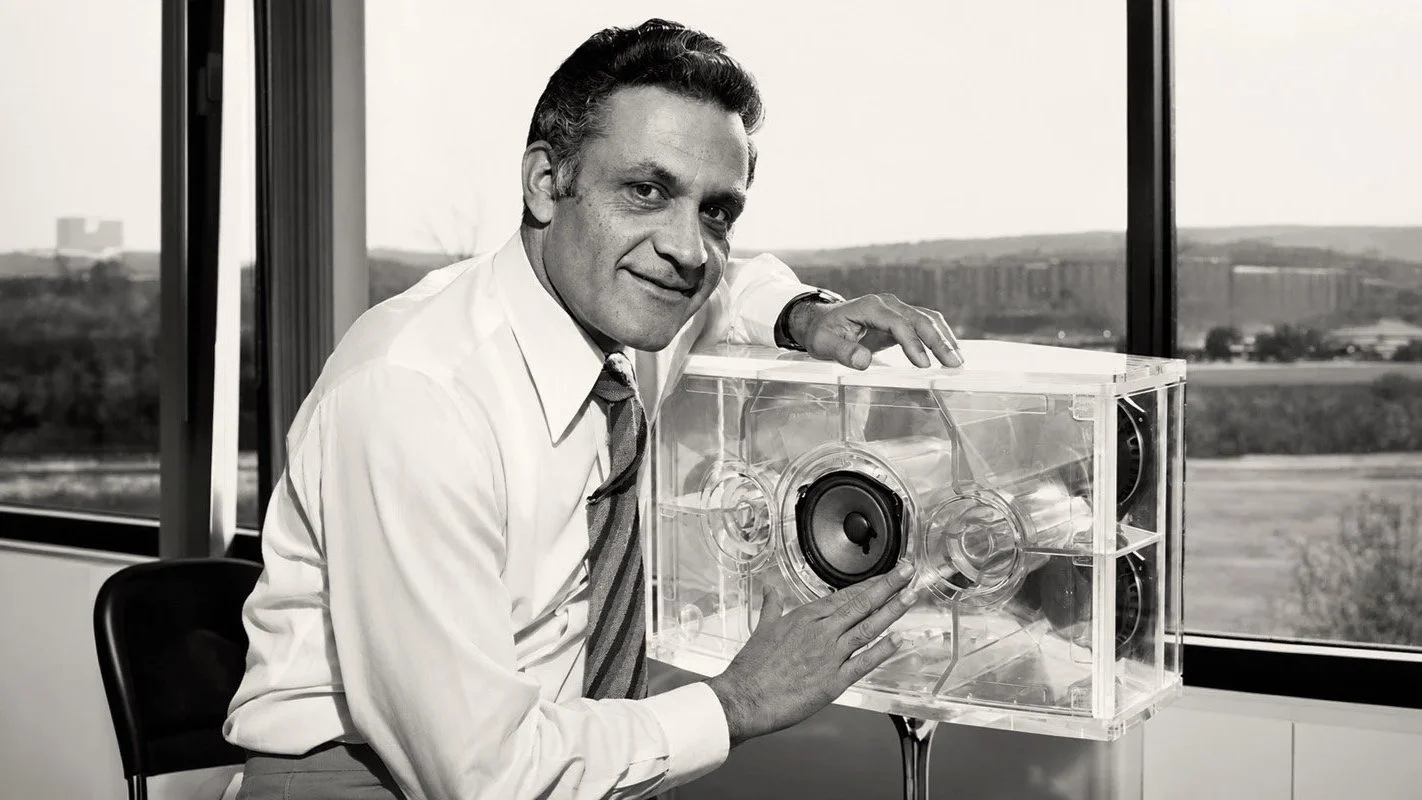
Instead of simply complaining about them for the rest of the flight like a normal passenger, he started thinking about how to fix the problem. Bose later launched a research program focused on active noise cancellation.
By the mid-1980s, Bose had developed ANC headsets for aviation, including equipment used by pilots Dick Rutan and Jeana Yeager during their record-breaking nonstop flight around the world. Commercial aviation headsets followed a few years later.
ANC becomes a consumer feature
Bose wasn’t the only company working on the technology. During the 1980s, engineers at Sennheiser also developed noise-canceling aviation headsets, including products created for Lufthansa.
Over time, ANC moved from military and aviation equipment into consumer headphones. Today, the feature is everywhere — from premium over-ear headphones to tiny wireless earbuds that fit in your pocket. Quite a journey for a technology that started with trying to make aircraft engines less annoying.
ANC explained — the bottom line
Active Noise Cancellation uses microphones, digital processing and your headphones' speakers to reduce unwanted environmental sound. The microphones detect noise around and inside your ears. The processor analyzes it and creates an opposing sound wave, reducing how much of the original noise you hear.
Traditional ANC is particularly effective against steady sounds such as engines, traffic and air-conditioning. But modern ANC is becoming much smarter. The newest headphones and wireless earbuds can:
automatically change the strength of noise cancellation;
compensate when an earbud moves in your ear;
adapt to wind and changing environments;
combine ANC with Transparency mode;
recognize conversations;
reduce sudden loud sounds;
personalize noise cancellation to your ears;
use AI processing to separate voices from background noise.
So ANC in 2026 is no longer simply a switch that makes things quieter. It's increasingly an intelligent system deciding how much of the outside world you should hear at any given moment.
And that's probably where the technology is heading next: not complete silence, but smarter control over the sounds around you.
