Most Popular TV Brands in 2026: Which One Should You Choose?
Samsung, LG, TCL, Hisense, Sony — walk into almost any electronics store and you'll see the same major TV brands competing for your attention. But despite increasingly similar spec sheets, they don't all approach televisions in the same way.
Table of Contents
- Does the TV brand actually matter?
- Samsung – the biggest all-round TV brand
- LG – the OLED specialist and a favorite for gamers
- TCL – some of the best value in Mini LED
- Hisense – bright TVs and increasingly ambitious display technology
- Sony – premium processing and a cinematic approach
- Philips – Ambilight makes it genuinely different
- Panasonic – still one for movie lovers
- Xiaomi – lots of TV for the money
- What about Vizio, Roku, Sharp, Toshiba and other TV brands?
- Which TV brand is best for you?
- Don't choose a TV by brand alone
- So, what is the best TV brand in 2026?
- FAQ
Some brands are particularly strong in OLED. Others concentrate on extremely bright Mini LED TVs, gaming features, image processing, smart TV software or simply giving you as much screen as possible for your money.
And the TV market is becoming increasingly competitive. In Q1 2026, Samsung accounted for around 17% of global TV shipments, followed by TCL at 14%, Hisense at 13% and LG at 9%, according to Counterpoint Research. But popularity doesn't automatically equal picture quality.
A $600 Samsung can be worse than a similarly priced TCL. A premium Sony may outperform a cheaper LG for movie processing while an LG OLED could be the better gaming TV.
So instead of asking simply “What is the best TV brand?”, the better question is: Which TV brand makes the most sense for the way you watch TV?
Does the TV brand actually matter
Yes—but not as much as the specific model. Almost every major manufacturer sells several tiers of televisions.
You might find:
basic 60Hz LED TVs;
mid-range QLED models;
Mini LED TVs;
premium OLED TVs;
flagship RGB Mini LED or other high-end displays.
Two TVs carrying the same logo can therefore perform completely differently. If these display types still sound confusing, our guide explaining the differences between LED, OLED, QLED and plasma TVs is a good place to start. Brand still matters because manufacturers develop recognizable strengths.
Samsung tends to emphasize bright QLED and Neo QLED TVs, gaming and its ecosystem. LG has become almost synonymous with OLED. Sony has built its reputation around image processing and cinematic presentation. Philips has Ambilight. TCL and Hisense have aggressively pushed Mini LED into increasingly affordable price ranges.
That's a useful starting point. It just shouldn't be the end of your research.
| Brand | Best known for | Main TV technologies | Smart TV | Best for |
|---|---|---|---|---|
| Samsung | Wide range, bright displays, gaming and ecosystem | QLED, Neo QLED, OLED, Micro RGB | Tizen | All-round use, bright rooms, gaming |
| LG | OLED and gaming | OLED, QNED, Mini LED | webOS | Movies, OLED, console and PC gaming |
| TCL | Mini LED and value | QLED, QD-Mini LED, SQD-Mini LED | Google TV / varies by region | Large screens, HDR and value |
| Hisense | Brightness and large screens | QLED, Mini LED, RGB Mini LED | VIDAA / Google TV / varies by region | Bright rooms, sports and HDR |
| Sony | Image processing and cinematic picture | OLED, LED, True RGB | Google TV | Movies, sports and premium home theater |
| Philips | Ambilight | OLED, QLED, Mini LED, RGB Mini LED | Titan OS / varies by model | Immersive movies and gaming |
| Panasonic | Cinematic image and HDR support | OLED, Mini LED, QLED, LED | Fire TV / Google TV / varies by market | Movie enthusiasts |
| Xiaomi | Features for the price | LED, QLED, Mini LED | Google TV | Affordable Smart TVs and large screens |
Samsung – the biggest all-round TV brand

If you're looking for one manufacturer that covers almost every corner of the TV market, Samsung is probably the obvious starting point.
According to Omdia figures published by Samsung, the company accounted for 29.1% of the global TV market by revenue in 2025 and has held the No. 1 position for 20 consecutive years.
Its 2026 lineup stretches from mainstream 4K televisions through QLED and Neo QLED to OLED, lifestyle models such as The Frame and extremely high-end Micro RGB displays. Samsung has also expanded its Vision AI features across its 2026 4K TV lineup.
What Samsung does well
The biggest advantage is choice. If you want an affordable everyday TV, Samsung has one. If you need a very bright television for a sunlit living room, Neo QLED is worth considering. If you prefer self-emissive OLED blacks and contrast, Samsung now has a substantial OLED lineup too.
Samsung is also particularly strong for gaming, with features such as:
HDMI 2.1 on higher-end models;
VRR;
high refresh rates;
Game Bar;
Gaming Hub;
FreeSync support on selected TVs.
Its Tizen smart TV system is mature and offers the major streaming services, while SmartThings makes Samsung televisions especially convenient if you already own other Samsung devices.
The company is also continuing to bet heavily on HDR10+, including the newer HDR10+ Advanced format introduced on its 2026 TVs.
Who should buy a Samsung TV?
Samsung is a particularly safe choice if you want a versatile TV for streaming, sports, gaming and everyday viewing without limiting yourself to one display technology.
It's also one of the strongest choices if you're already invested in the Samsung ecosystem.
LG – the OLED specialist and a favorite for gamers
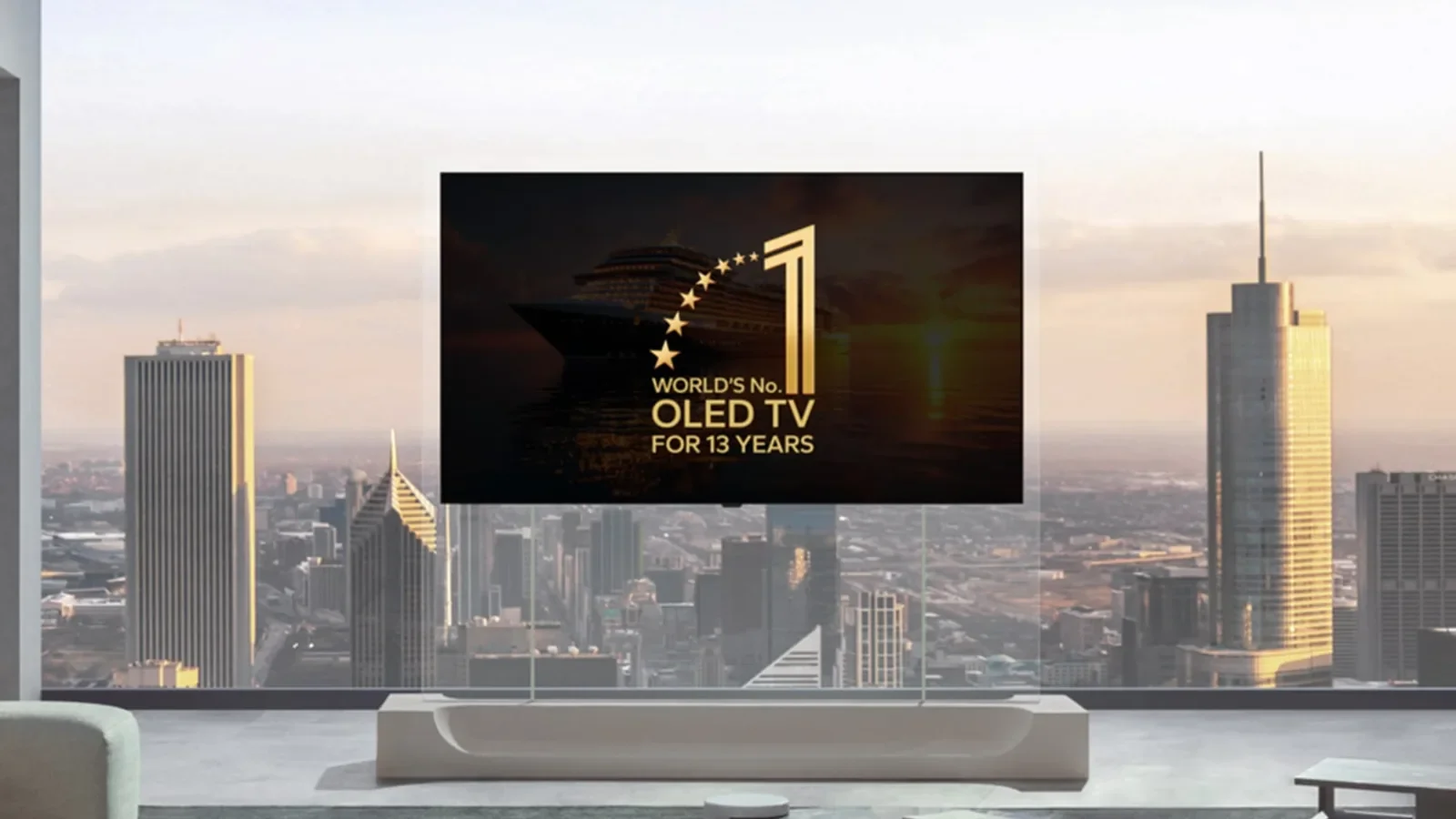
If Samsung is the broad all-rounder, LG remains the brand most closely associated with OLED TVs. LG has been the world's No. 1 OLED TV brand by unit shipments for 13 consecutive years, from 2013 through 2025, according to Omdia.
And there's a good reason LG OLEDs appear so frequently in TV recommendations. OLED pixels can switch themselves off individually, allowing them to produce essentially perfect blacks and exceptionally strong contrast. If you're considering one, our ranking of the best OLED TVs of 2026 compares the top models from LG and its rivals.
That makes TVs such as the B, C and G series particularly attractive for:
movies;
TV shows;
dark-room viewing;
gaming.
LG is especially good for gaming
LG's OLED C series has become something of a default recommendation for people looking for one TV that handles both movies and gaming extremely well.
The 2026 LG C6, for example, supports 4K gaming at up to 165Hz with VRR, along with Dolby Vision. It runs LG's webOS 26 platform.
The flagship G6 pushes OLED brightness further and also supports gaming at up to 165Hz. LG isn't only an OLED manufacturer, though.
Its lineup also includes QNED and Mini LED models, which can make more sense in very bright rooms or when you're looking for a large screen without OLED pricing.
Who should buy an LG TV?
Start with LG if OLED is already high on your shopping list, especially if you watch movies at night or connect a PS5, Xbox or gaming PC.
LG is probably the easiest TV brand to recommend to someone who says:
“I want excellent movies and excellent gaming, and I don't want to choose between them.”
TCL – some of the best value in Mini LED
TCL's position in the TV industry has changed dramatically. It used to be primarily associated with inexpensive televisions. That's no longer an accurate description.
In the first half of 2026, TCL was the world's second-largest TV brand by shipments, with a 14.9% global share. It also reported the No. 1 position in global Mini LED TV shipments, citing Omdia data.
TCL's strategy is fairly easy to understand: offer technologies that used to belong to premium TVs at considerably more aggressive prices.
Mini LED is TCL's biggest strength
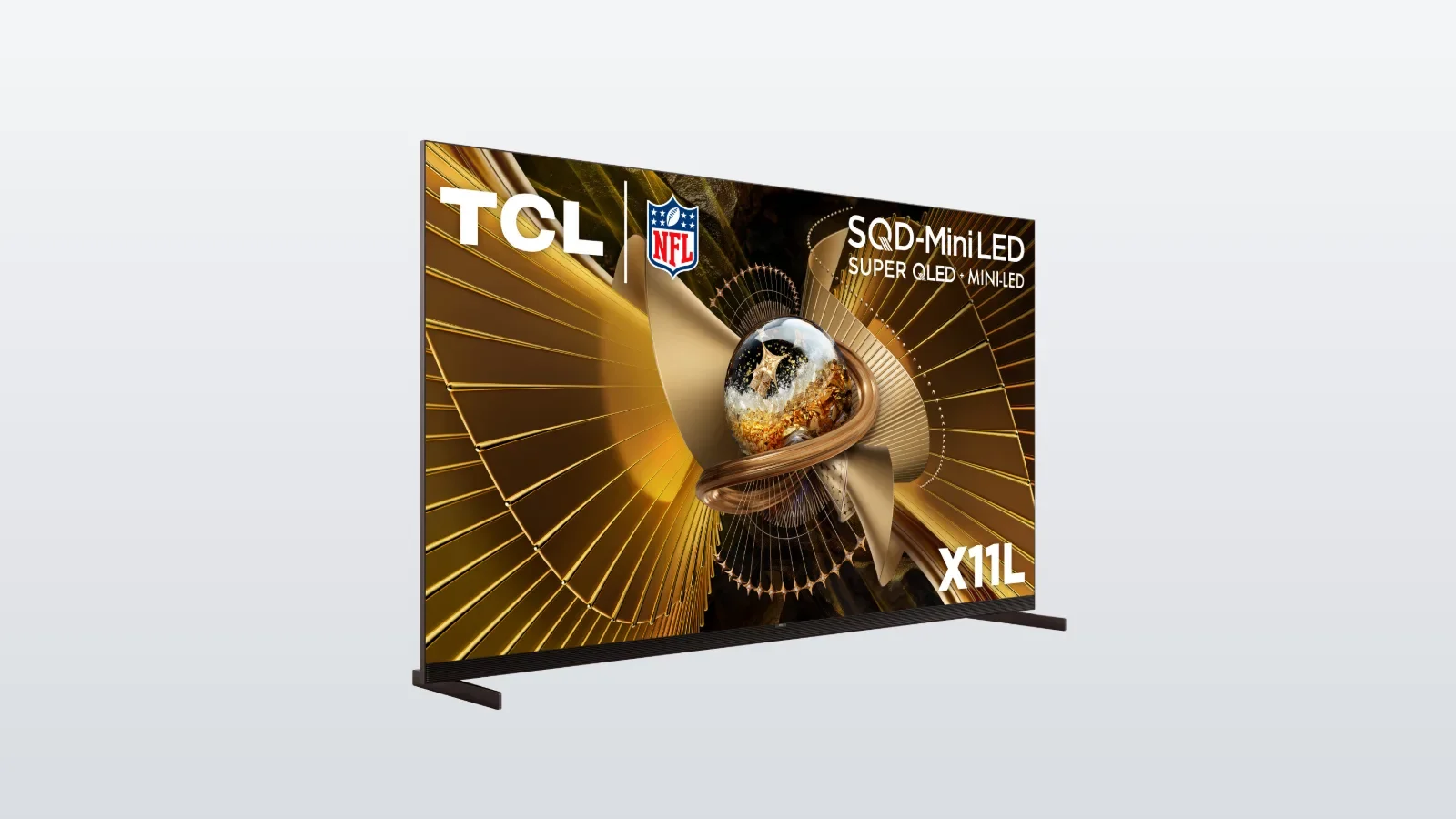
TCL has invested heavily in QLED, QD-Mini LED and now SQD-Mini LED. Its current lineup extends from mainstream 4K models to extremely sophisticated Mini LED sets such as the QM7L, QM8L and flagship X11L in the US. In Europe and some other markets, the QM7L and QM8L are sold as the C7L and C8L.
The QM8L, for example, combines thousands of dimming zones with very high claimed HDR brightness, while TCL continues to offer large 75-, 85- and 98-inch versions across several ranges.
That's one reason TCL has become particularly attractive to people who want a very large screen without an equally large price tag. Many models also offer Google TV, Dolby Vision and increasingly serious gaming specifications. If you want to know how Mini LED compares with OLED, we explain it in our article on what Mini-LED and MicroLED are and how they compare.
What's the catch?
The exact performance difference between TCL ranges can be substantial. A lower-end TCL and premium TCL Mini LED shouldn't be treated as if they're basically the same TV. Processing, dimming performance, brightness and panel quality still depend on the model.
Who should buy a TCL TV?
TCL is one of the first brands I'd look at if your priorities are:
Mini LED;
a 65-inch or larger screen;
strong HDR brightness;
gaming;
maximum specification for your budget.
It's no longer just the “cheap alternative.” In several categories, TCL is now one of the companies pushing the market forward.
Hisense – bright TVs and increasingly ambitious display technology
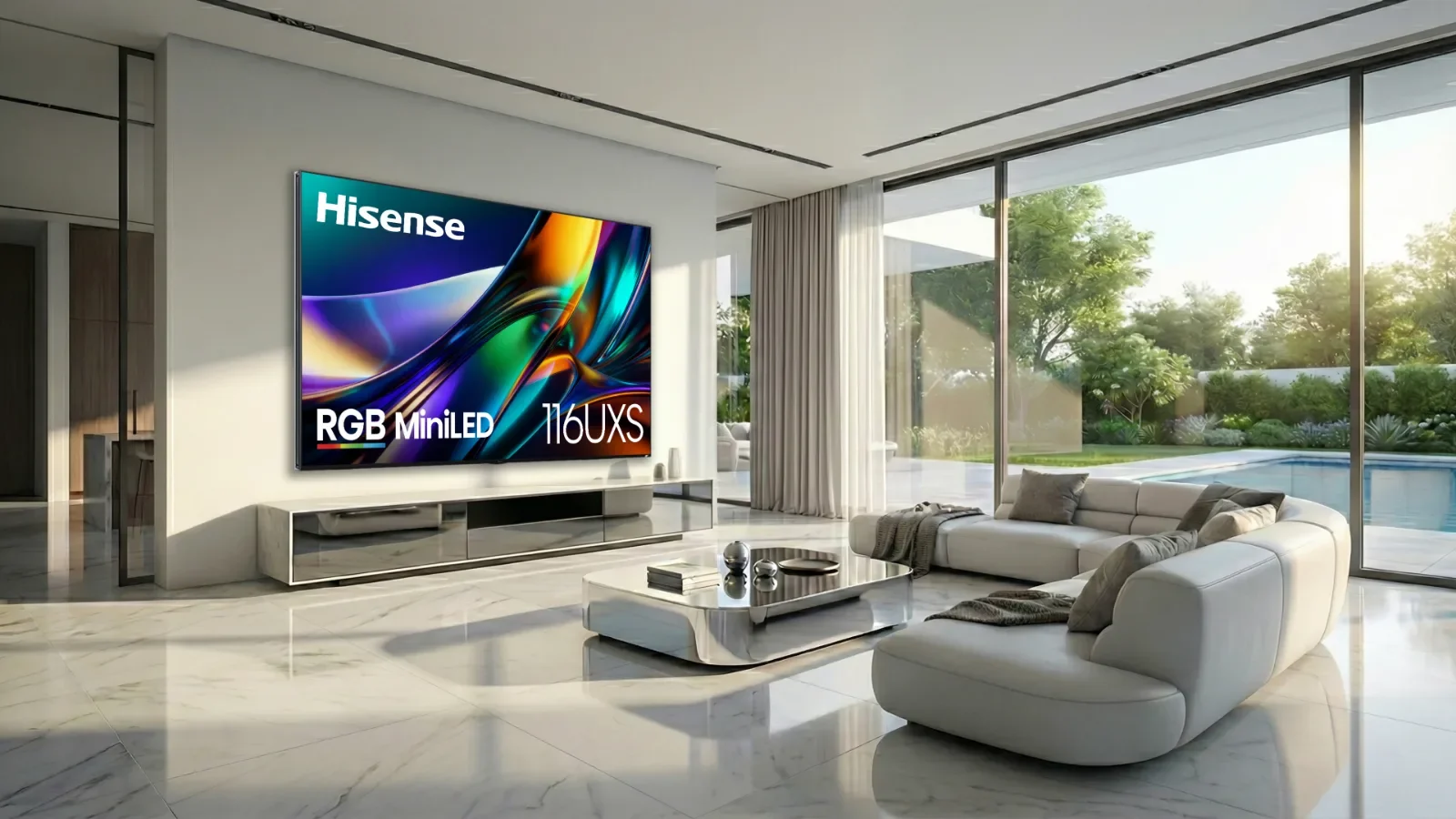
Hisense has followed a similar trajectory to TCL. It built much of its reputation around value, but now competes far further up the market. In Q1 2026, Hisense accounted for around 13% of global TV shipments, placing it just behind TCL.
And the company has become particularly aggressive in large-screen and Mini LED technology. Hisense led global shipments of TVs measuring 100 inches and above in 2025, according to Omdia data published by the company.
RGB Mini LED is becoming a major focus
Hisense is one of the manufacturers pushing RGB Mini LED especially hard in 2026. Its new UR9 and UR8 series bring RGB Mini LED to a wider range of screen sizes, while the flagship 116UXS uses an even more ambitious multi-primary backlight system.
For normal buyers, though, Hisense's biggest appeal remains simpler: you can often get a very bright, well-equipped television for less than you'd expect from the traditional premium brands. That makes Hisense particularly interesting for bright living rooms, sports and HDR.
Smart TV software varies
Depending on the country and model, Hisense televisions may use platforms such as VIDAA, Google TV, Roku TV or Fire TV. That means it's worth checking the exact model before buying. If you're not sure how Google's own platforms differ, our article explaining the difference between Android TV and Google TV can help.
The panel specification might look fantastic, but your experience with the TV is also going to depend on whether the apps you use every evening are actually available.
Who should buy a Hisense TV?
Hisense is especially compelling if you want:
high brightness;
Mini LED;
a large screen;
impressive HDR;
strong value.
When comparing TCL vs. Hisense, I wouldn't automatically pick one brand. Compare the actual TVs. Local dimming, brightness, panel type, gaming performance and software can matter far more than the logo.
Sony – premium processing and a cinematic approach
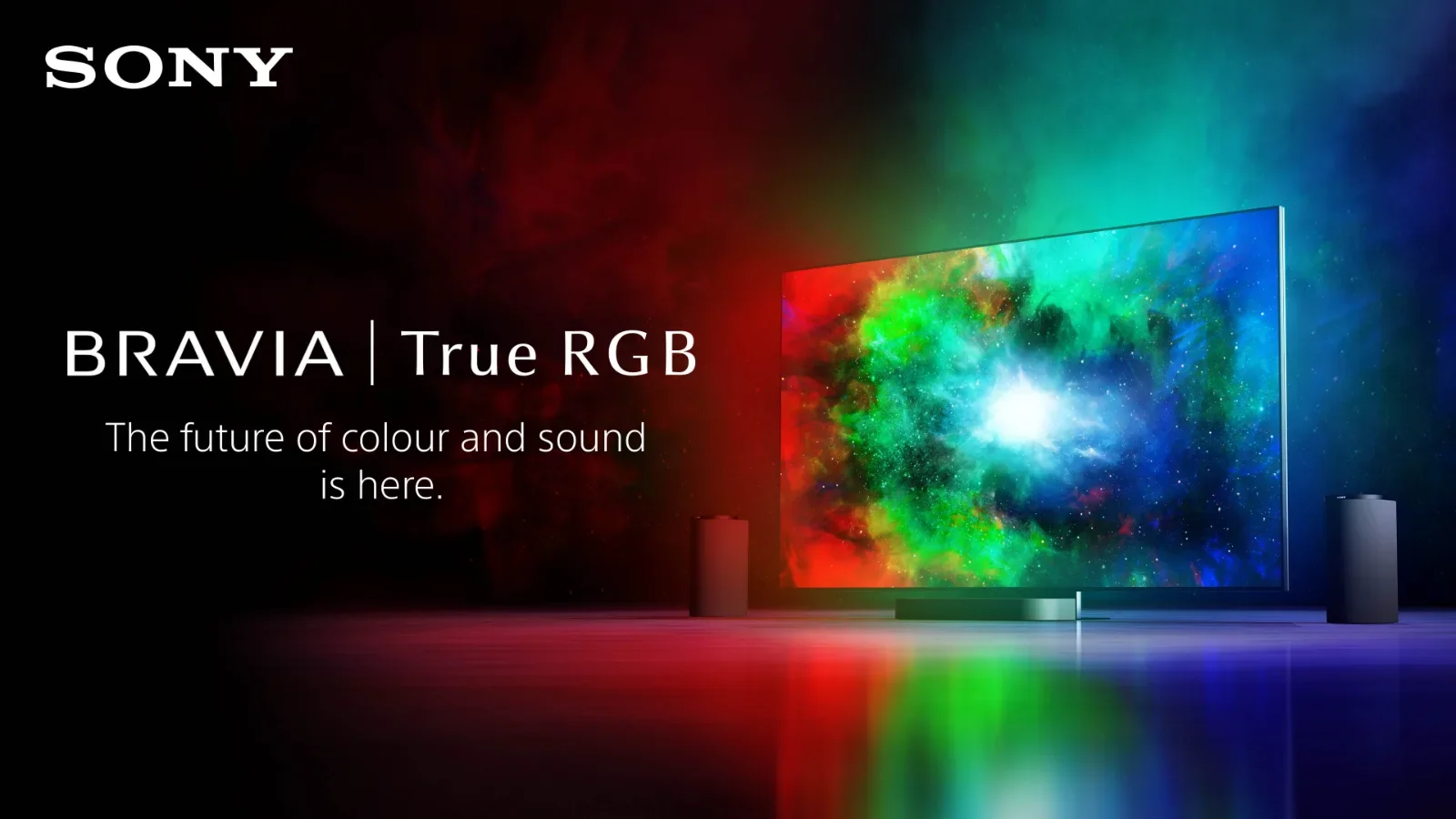
Sony doesn't compete with Samsung or TCL by flooding every price point with dozens of TVs. Its strength has traditionally been what happens to the image before you see it. Good image processing matters because much of what people watch isn't pristine 4K HDR.
You may be watching:
live TV;
sports;
compressed streaming;
older movies;
1080p video;
lower-quality internet content.
Upscaling, motion processing and tone mapping can therefore make a visible difference. This is one reason Sony TVs have long appealed to viewers who prioritize natural-looking images rather than simply maximum brightness or saturation.
Sony is changing its display technology too
Its 2026 BRAVIA lineup includes new True RGB models such as the BRAVIA 7 II and flagship BRAVIA 9 II. Instead of a conventional white or blue LED backlight, the system independently controls red, green and blue light sources to expand color reproduction while retaining the brightness benefits of an LED-based display.
Sony also continues to sell OLED models and uses Google TV across its current smart TV lineup.
Who should buy a Sony TV?
Sony makes the most sense for buyers who prioritize:
movies;
natural image processing;
upscaling;
motion handling;
premium home theater.
It can also be particularly appealing to PlayStation owners. The biggest disadvantage tends to be price. You're often paying a premium for Sony's processing and overall tuning rather than simply getting the longest specification sheet for your money.
Philips – Ambilight makes it genuinely different
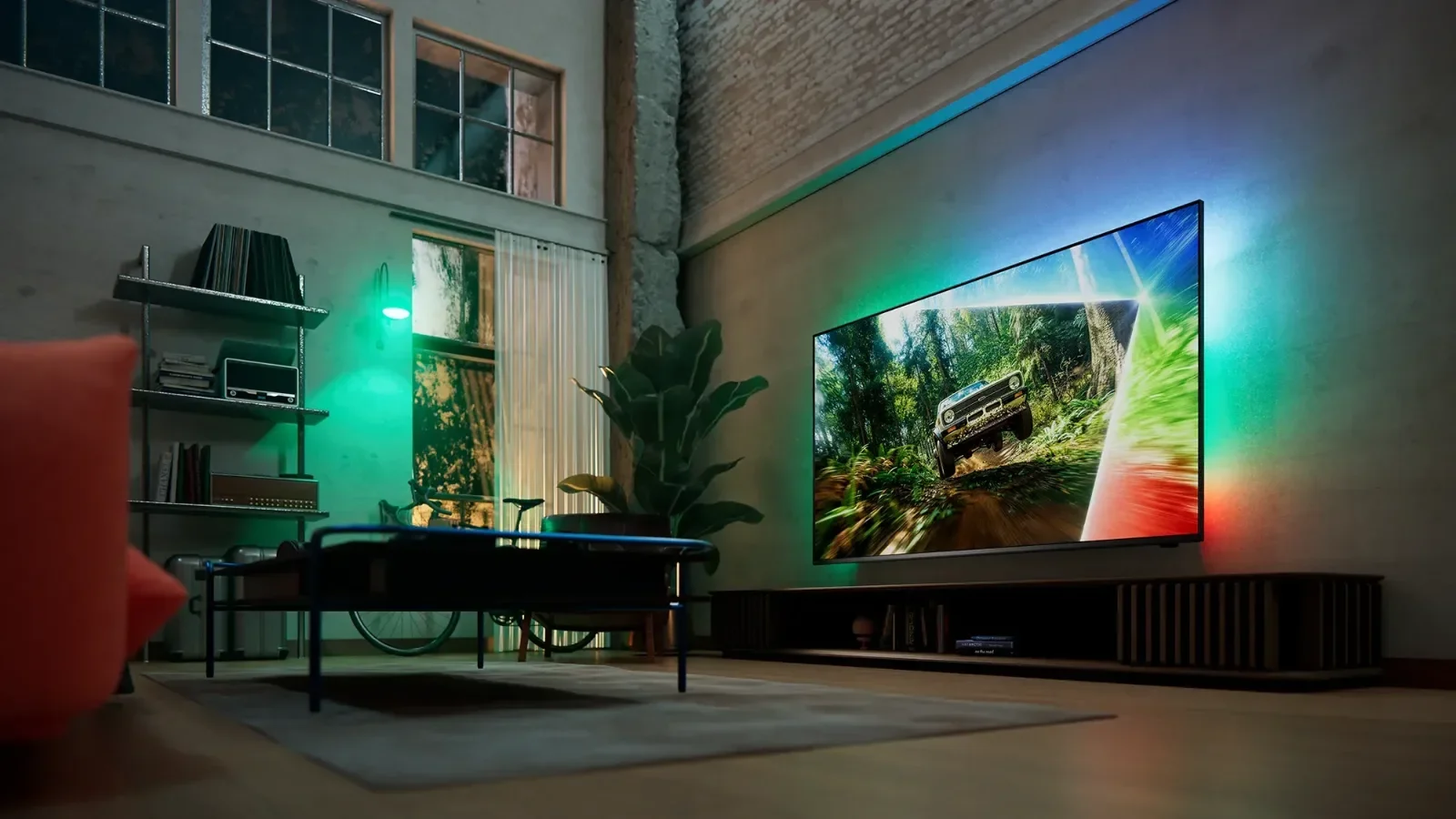
Most TV manufacturers have features that sound unique in marketing materials but feel remarkably similar once you start using them.
Philips has something much easier to identify: Ambilight.
LEDs built into the rear of compatible Philips TVs project colors onto the wall behind the screen and react to what's happening in the picture. It can make the image feel larger and create a much more atmospheric experience during movies and gaming.
If you've already read our guide to what Ambilight is and how it works, you'll know that there are aftermarket alternatives—but having the system integrated directly into the TV is much cleaner.
Philips isn't just Ambilight
Its 2026 lineup includes OLED, QLED and RGB Mini LED models. The latest OLED range includes models such as the OLED811 and higher-end OLED+911 and OLED+951, while the 85-inch MLED981 is Philips' first RGB Mini LED TV.
Smart TV software varies between models, with Titan OS playing a growing role in the lineup. Availability is also much more region-dependent than it is for Samsung, LG or Sony. Philips-branded TVs sold in Europe, for example, aren't necessarily equivalent to Philips TVs available in other markets. In the US, for example, you'll find models such as the Philips 7985 series, a QLED Roku TV that still includes Ambilight.
Who should buy a Philips TV?
Philips makes the most sense if you specifically want Ambilight. I'd still judge the underlying TV on picture quality, ports and software first.
But when two models are otherwise close, Ambilight is one of the few brand-exclusive TV features that can genuinely change the viewing experience.
Panasonic – still one for movie lovers
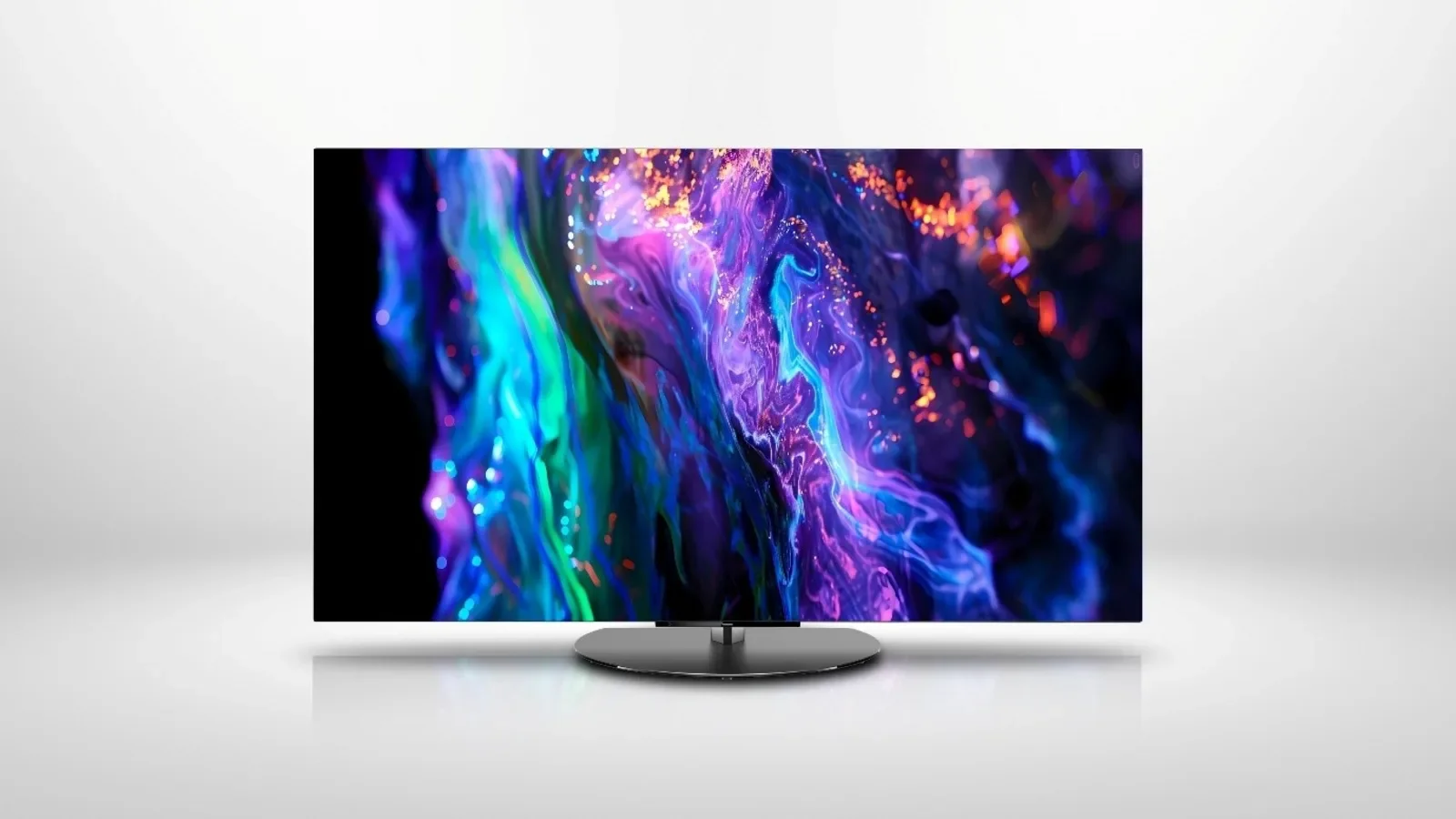
Panasonic has a long history in enthusiast home cinema. Older readers may remember its plasma TVs particularly fondly, and the company still approaches premium televisions with a strong emphasis on film reproduction.
Its 2026 range includes:
OLED;
Mini LED;
QLED;
conventional LED.
Higher-end models, such as the flagship Z95B OLED, emphasize features such as Filmmaker Mode, Dolby Vision and calibration options. Panasonic also uses several smart TV platforms depending on the model and region, including Fire TV, Google TV and Roku TV in its 2026 US lineup, with TiVo also used on some European models.
That variety has an upside and a downside. You can find a platform you already like. But you need to check exactly what a particular Panasonic model uses rather than assuming every television provides the same software experience.
Who should buy a Panasonic TV?
Panasonic remains particularly attractive to people who care about:
movies;
accurate-looking pictures;
HDR format support;
home cinema.
It's less ubiquitous than Samsung or LG, and availability varies substantially by country. But I wouldn't overlook Panasonic simply because it sells fewer TVs. Popularity and picture quality are not the same competition.
Xiaomi – lots of TV for the money, depending on where you live
Xiaomi uses much the same strategy with TVs that helped it grow in smartphones: pack a lot of technology into aggressively priced hardware. Its TV range includes mainstream LED and QLED sets as well as increasingly ambitious Mini LED models.
For example, Xiaomi's 2026 S Mini LED lineup uses Google TV, while the larger 85- and 98-inch variants offer native 144Hz panels, Dolby Vision and Dolby Atmos. That's an impressive specification for a brand still associated primarily with phones in many countries.
Availability is the important caveat
Xiaomi TVs are common in parts of Europe and Asia but much less relevant in some markets, particularly the United States.
As with TCL and Hisense, I'd also pay close attention to the exact model. The differences between an affordable Xiaomi TV A and a high-end Mini LED model are enormous.
Who should buy a Xiaomi TV?
Xiaomi is worth considering if it's officially available in your market and you want:
Google TV;
a large screen;
good specifications for the price;
QLED or Mini LED without premium-brand pricing.
What about Vizio, Roku, Sharp, Toshiba and other TV brands
There are plenty of other television brands worth considering, particularly because TV availability is highly regional. In North America, brands such as Vizio, Roku and Amazon Fire TV occupy important parts of the affordable smart TV market.
Elsewhere you'll encounter brands such as:
Sharp;
Toshiba;
Haier;
Grundig;
various retailer-owned brands.
A cheaper television from one of these companies can be perfectly adequate for a guest room, kitchen, rental property or simply a secondary TV.
But I'd pay especially close attention to the smart TV platform, app availability, panel refresh rate and HDR performance. A giant list of logos on the box is less important than whether Netflix still works properly three years later.
Which TV brand is best for you
There isn't one winner. I'd narrow it down like this:
For the widest selection: Samsung
Samsung offers almost everything—from relatively simple 4K TVs to OLED, Neo QLED, huge screens and cutting-edge flagship displays.
For OLED: LG
LG remains the obvious place to start if you want an OLED, especially if gaming is also important.
For value and Mini LED: TCL
TCL is increasingly difficult to beat if you're looking for a large, bright Mini LED television without paying premium-brand prices.
For bright rooms and large screens: Hisense
Hisense's focus on Mini LED, high brightness and huge displays makes it particularly compelling for large living rooms.
For movies and image processing: Sony
Sony remains one of the strongest choices when natural presentation, processing and home cinema matter more than raw specifications per dollar.
For Ambilight: Philips
Simple. If you want Ambilight integrated into the TV, Philips is the brand.
For cinema enthusiasts: Panasonic
Panasonic remains particularly interesting for viewers who value accurate, film-focused picture reproduction.
For affordable Smart TV: Xiaomi
Where available, Xiaomi often provides a lot of screen and smart TV functionality for the price.
Don't choose a TV by brand alone
Brand reputation is useful. Brand loyalty is less useful. Even the best manufacturers sell entry-level TVs with limited brightness, basic 60Hz panels and modest HDR performance.
Meanwhile, TCL or Hisense may offer a Mini LED model at the same price as a much simpler TV carrying a more prestigious logo.
When comparing specific models, look at:
OLED vs. Mini LED vs. conventional LED;
peak brightness;
local dimming;
refresh rate;
HDMI 2.1;
VRR and ALLM;
HDR formats;
smart TV software;
number of HDMI ports;
viewing angles;
reflection handling.
And think about your room. A TV that looks incredible in a completely dark home theater isn't automatically the best TV for a bright living room with windows opposite the screen. Screen size matters too, so it's worth reading our guide on how to choose the right TV size for your viewing distance.
Likewise, a spectacular 2,000-nit Mini LED isn't automatically superior to an OLED when you're watching movies at midnight.
So, what is the best TV brand in 2026
If I had to summarize the market in one sentence: Samsung is the strongest all-round brand, LG remains the OLED specialist, TCL and Hisense lead the value-focused Mini LED charge, while Sony, Philips and Panasonic each offer more specialized reasons to choose them.
But I wouldn't buy any television because of that sentence. Start with your budget, room and use case.
Then compare the individual models available at that price. The logo should help you narrow the search. It shouldn't make the decision for you.
FAQ
What are the most popular TV brands?
Samsung, TCL, Hisense and LG currently account for a substantial share of worldwide TV shipments, with Samsung leading the market in Q1 2026. Sony also remains one of the most important premium TV brands.
What is the best TV brand?
There isn't one best brand for everyone. Samsung offers the broadest range, LG is particularly strong in OLED, TCL and Hisense offer excellent Mini LED value, while Sony is known for premium picture processing.
Which TV brand is best for OLED?
LG is the most obvious starting point and has led global OLED TV unit shipments for 13 consecutive years. Samsung, Sony, Philips and Panasonic also offer premium OLED televisions.
Which TV brands are best for gaming?
LG and Samsung are particularly strong, but many TCL, Hisense and Sony models also offer HDMI 2.1, VRR and 120Hz or higher refresh rates. Always check the specific model rather than assuming every TV from that manufacturer has the same gaming capabilities.
Is TCL a good TV brand?
Yes. TCL is now the world's second-largest TV brand by shipments and is particularly competitive in Mini LED and large-screen televisions.
Is Hisense a good TV brand?
Yes. Hisense is a major global TV manufacturer and particularly strong in bright Mini LED and very large televisions. It held approximately 13% of global TV shipments in Q1 2026, according to Counterpoint Research.
Is Sony better than Samsung or LG?
Not universally. Sony often excels in picture processing and natural-looking presentation, LG is especially strong in OLED and gaming, while Samsung offers an exceptionally wide range of bright QLED, Neo QLED and OLED TVs. The better choice depends on the individual models you're comparing.
Does the Smart TV system matter?
Absolutely. Samsung uses Tizen, LG uses webOS, Sony primarily uses Google TV, while TCL, Hisense, Panasonic and Philips may use different platforms depending on the model and region. Make sure the TV supports the streaming apps and smart-home features you actually use.