Wireless earbuds all look pretty similar on a store shelf, but the differences show up quickly once you start using them every day. Some block out a noisy commute and sound great with your phone, while others fall out during a run, struggle on calls or only unlock their best features with one brand of smartphone. In this guide, we explain which features actually matter when you choose wireless earbuds in 2026, from noise cancellation and fit to codecs, battery life and price, so you can pick the right pair for the way you listen.
Start with your phone
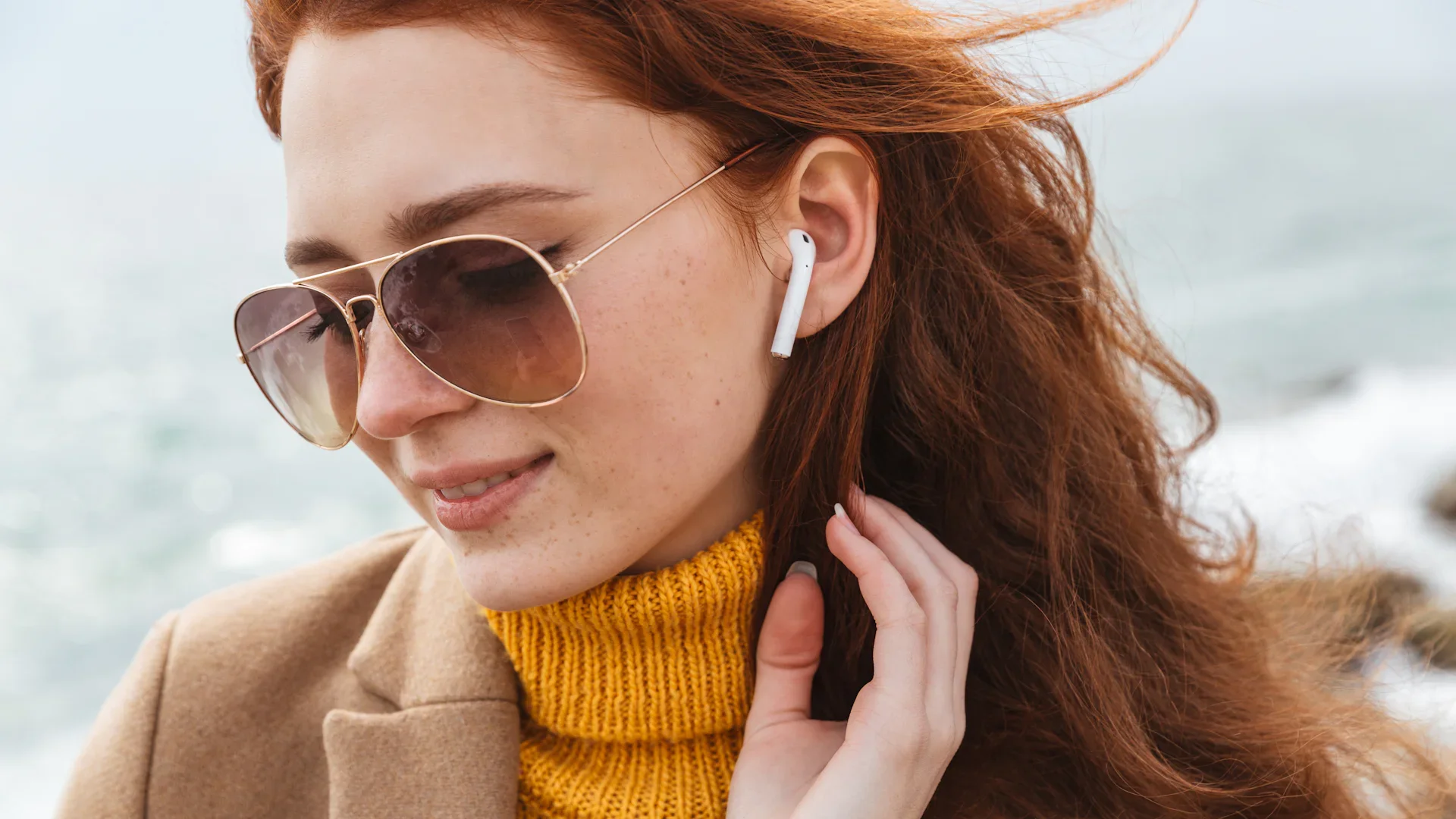
The smartphone you use is the first thing to think about, because many earbuds work best inside one ecosystem. AirPods connect to an iPhone almost instantly, switch automatically between your Apple devices and get features like Find My, hearing health tools and Live Translation that simply aren't available on Android.
Samsung's Galaxy Buds work the same way with Galaxy phones, where you get Samsung's own high-quality codec, automatic switching and the full set of settings directly in the phone menu. If you use an Android phone from another brand, or you switch between platforms, brand-neutral earbuds from Sony, Bose, Technics, Sennheiser or Nothing are usually the safer choice. They have their own apps for both iOS and Android, and they don't hide their best features behind a specific phone.
Before you buy, it's worth checking which features are limited to a single platform, because this information is often only in the small print. If you are thinking about changing phones soon, our guide on which iPhone to buy in 2026 can help you decide whether the Apple ecosystem is right for you.
Active noise cancellation: how much do you need?
Active noise cancellation (ANC) uses microphones to measure outside sound and creates an opposite sound wave to cancel it out. It works best on steady, low-frequency noise like airplane engines, trains, buses and air conditioning, and less well on sudden sounds like voices or keyboard clicks. If you want a deeper explanation, read our article on how active noise cancellation works and what adaptive ANC does.
For daily commuting, frequent flights or working in an open office, strong ANC is worth paying for, and the best models today, such as the AirPods Pro 3, Sony WF-1000XM6 and Bose QuietComfort Ultra Earbuds, can make a busy train feel surprisingly calm. Most models now also offer adaptive ANC, which changes the level of noise cancellation automatically, and a transparency mode that lets outside sound in when you need to hear an announcement or talk to someone.
If you mainly listen at home or in the gym, mid-range ANC is usually more than enough. And if you need maximum quiet for long flights, over-ear headphones still have an advantage, which is why we also have a separate ranking of the best noise-cancelling headphones.
Fit and comfort matter more than you think
Fit is the most underrated feature of any pair of earbuds. A good seal blocks noise passively, improves bass and helps ANC work properly, so even premium earbuds can sound thin and noisy if they don't fit your ears. Always try all the included ear tips, and use the fit test in the companion app if your earbuds have one. Many people use a different tip size in each ear without realizing it.
The shape of the earbuds matters too. Stem-style earbuds like AirPods are easy to put in and take out, while compact "bean" shapes sit deeper in the ear and are often more comfortable for lying down. For running and the gym, models with wing tips or ear hooks stay in place much better.
There are also open earbuds that sit outside the ear canal and keep you aware of your surroundings. They don't block noise, but they are very comfortable for long wear, as we found in our Huawei FreeClip 2 review.
Sound quality and Bluetooth codecs
Sound quality depends mostly on the tuning, the drivers and the fit, but the Bluetooth codec plays a role too. A codec decides how music is compressed and sent from your phone to the earbuds. All earbuds support the basic SBC codec, and practically all of them support AAC, which is what iPhones use.
Many Android phones also support higher-quality codecs like LDAC (common on Sony earbuds) or aptX Adaptive and aptX Lossless (found on Qualcomm-based earbuds and phones). Samsung uses its own Seamless Codec between Galaxy phones and Galaxy Buds.
In practice, a better codec only helps if both your phone and your earbuds support it, and the difference is easiest to hear with high-quality files in a quiet room. For most people, good tuning and a solid fit matter more than the codec name on the box.
A useful extra is an equalizer in the companion app, which lets you adjust the bass and treble to your taste. If sound quality is your top priority, look at models like the Technics EAH-AZ100 and Sennheiser Momentum True Wireless 5, which we rated highly for audio in our ranking.
Call quality and microphones
If you spend a lot of time on calls or video meetings, pay close attention to microphone quality, because this is where cheap and premium earbuds differ the most. Good earbuds use several microphones per earbud, often combined with bone-conduction sensors and AI noise reduction, to separate your voice from the noise around you.
Wind noise is the hardest test, so look for reviews that test calls outdoors, not just in a quiet room. For remote work, two more features are very helpful.
Multipoint lets you connect to your laptop and phone at the same time, so you can take a call on your phone without re-pairing anything. A good transparency mode also makes long calls more comfortable, because you can hear your own voice naturally instead of feeling like your ears are blocked.
Battery life and charging
Most good earbuds today last around 6 to 8 hours on a single charge, and the charging case adds another two or three full charges, which gives you roughly 24 to 30 hours in total. Keep in mind that manufacturers usually quote battery life with ANC turned off, so expect a bit less in real use. Features like spatial audio or hearing aid modes can also reduce battery life.
Other things worth checking are fast charging, which can give you about an hour of playback from a few minutes in the case, and wireless or Qi charging for the case. USB-C is now standard on practically all new models, including AirPods.
Also remember that earbud batteries can't usually be replaced, so after a few years of daily use, battery life will drop noticeably. If you need the longest possible runtime, budget earbuds sometimes last longer than flagships, simply because they have fewer power-hungry features.
Connectivity and smart features
Beyond the basics, a few extras can make a big difference in everyday use. Multipoint is the most useful one if you use more than one device. A low-latency or gaming mode reduces audio delay in games and videos. Location tracking through Apple's Find My, Samsung's SmartThings Find or Google's Find Hub helps you find a lost earbud or case.
Newer earbuds also support Bluetooth LE Audio with the LC3 codec, which is more efficient and opens the door to Auracast. Auracast lets one device broadcast audio to several pairs of earbuds at once, so in the future you will be able to listen to a TV at the gym or announcements at an airport directly in your earbuds. Support is still growing, so treat it as a nice bonus rather than a must-have.
Some premium models now also go beyond music. The AirPods Pro 3, for example, can measure your heart rate during workouts, work as a clinical-grade hearing aid for people with mild to moderate hearing loss and translate conversations in real time with Apple Intelligence. These features are impressive, but think about whether you will actually use them before paying extra.
Water and sweat resistance
If you plan to use your earbuds for sport, check the IP rating. The second digit shows the protection against water: IPX4 means the earbuds are protected against sweat and splashes, which is enough for the gym and light rain. IP54 or IP55 adds dust protection and better water resistance, and IP57 means the earbuds can survive a short dip in water.
Very few earbuds are designed for swimming, so don't take normal earbuds into the pool. The charging case usually has a lower rating than the earbuds, or no rating at all.
How much should you spend?
You don't need to spend $250 to get good earbuds, but each price range brings clear improvements. Here is what you can expect at different budgets in 2026, with examples from our ranking of the best wireless earbuds of 2026.
| Price range | What you get | Best for | Examples from our ranking |
|---|---|---|---|
| Under $60 | Decent sound, basic or no ANC, simple apps, good battery life | Backup pair, gym, kids | Sony WF-C510 |
| $60–$180 | Solid ANC, transparency mode, app with EQ, multipoint on most models | Most people, best value | Samsung Galaxy Buds3 FE, Nothing Ear, OnePlus Buds Pro 3 |
| $180 and up | Strongest ANC, best microphones, premium sound, smart and health features | Daily commuting, travel, lots of calls | AirPods Pro 3, Galaxy Buds4 Pro, Sony WF-1000XM6, Bose QuietComfort Ultra Earbuds, Technics EAH-AZ100 |
Budget earbuds are a great choice as a backup pair, for the gym or for kids. The mid-range offers the best value for most people, with solid ANC and good apps.
Premium earbuds make sense if you commute every day, travel often or spend many hours on calls, because that's where the stronger ANC, better microphones and extra features really pay off. If you are looking for a good value Android option, read our Samsung Galaxy Buds3 FE review.
Quick checklist before you buy
Do the earbuds work fully with your phone, or are some features limited to another brand?
How strong is the ANC, and is there a good transparency mode?
Do they come with several ear tip sizes, and do they suit your activities?
Do they support a better codec that your phone can use?
How good are the microphones, especially outdoors?
What is the real battery life with ANC turned on?
Do they support multipoint and a find-my feature?
Is the IP rating good enough for workouts?
FAQ
Are expensive wireless earbuds worth it?
For many people, yes. Premium earbuds offer much stronger noise cancellation, better microphones and more useful features. But if you mainly listen at home or need earbuds for the gym, a mid-range model will give you most of the experience for half the price.
Do AirPods work with Android phones?
Yes, AirPods connect to Android phones like any other Bluetooth earbuds, and you can use them for music, calls and ANC. However, you lose automatic pairing, easy settings, Find My and most of Apple's smart features, so Android users usually get more for their money with other brands.
What is the most important feature in wireless earbuds?
Fit. Earbuds that fit your ears well sound better, block more noise and stay in place. After that, choose based on how you use them: ANC for commuting and travel, microphones for calls, and IP rating and secure fit for sport.
Is LDAC better than AAC?
LDAC can transfer more data, so in ideal conditions it offers higher-quality sound. But it only works with compatible Android phones, uses more battery and can be less stable in crowded places. On an iPhone, AAC is what you get, and with well-tuned earbuds it sounds very good.
How long do wireless earbuds last?
Most wireless earbuds last about two to four years with daily use. The battery is usually the first thing to wear out, and in most models it can't be replaced, so taking care of the battery by avoiding extreme heat and not leaving the case empty for long periods helps them last longer.
