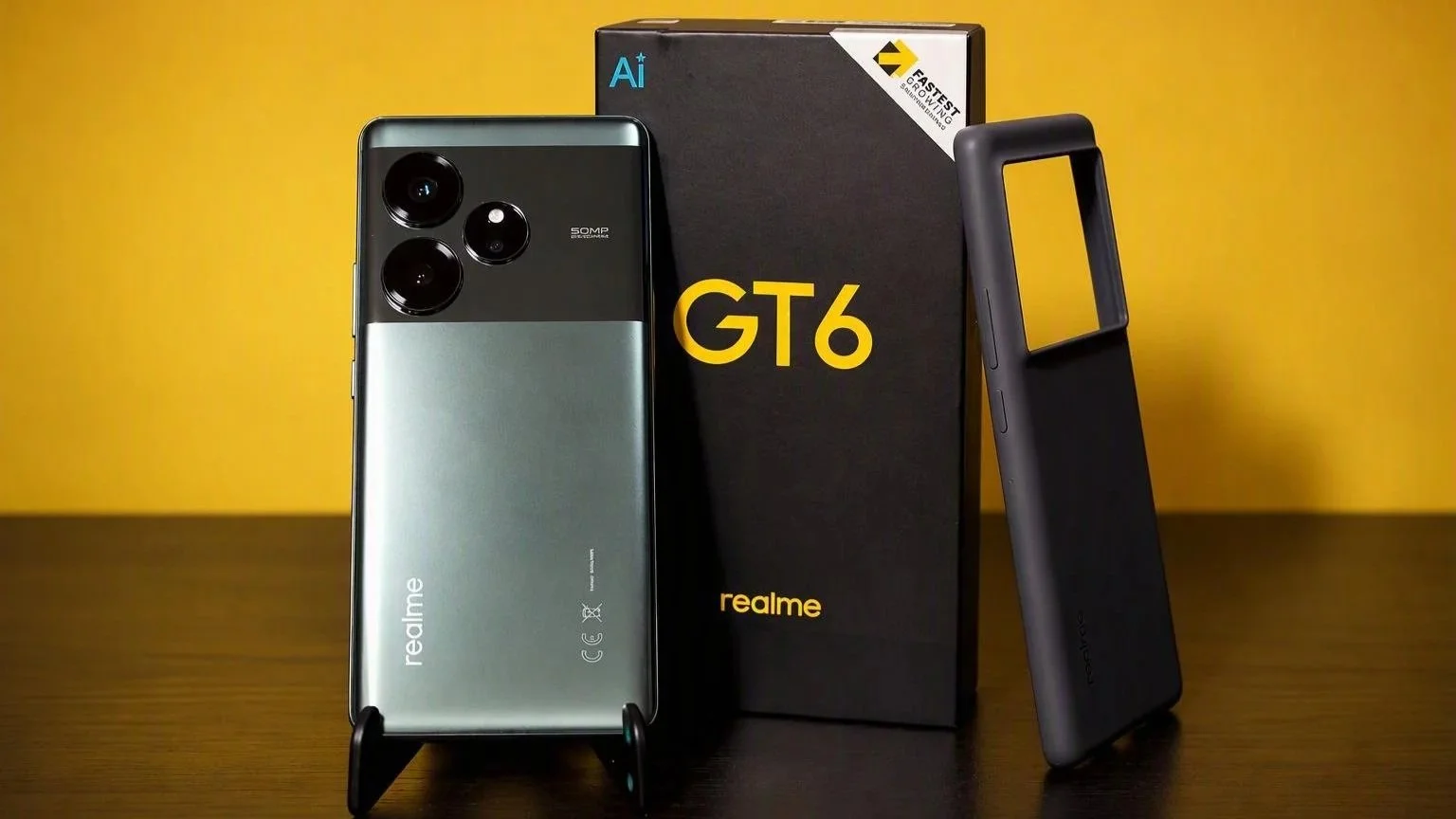
Two years after its debut, the realme GT 6 is no longer the cutting-edge flagship killer it once was. But its Snapdragon 8s Gen 3 processor, up to 16 GB of fast RAM, excellent LTPO AMOLED display and 120W charging still make for an impressive package. More importantly, many of its strengths have aged surprisingly well. So, after two years, is the realme GT 6 still a smartphone worth using?
Design: understated, but still attractive
The realme GT 6 made a very good first impression when it launched, and its design has held up well. Instead of the flashy finishes sometimes associated with performance-focused smartphones, realme chose a relatively restrained, minimalist look.
realme GT 6 comes in Fluid Silver and Razor Green, with the latter remaining my favourite. It has enough character to stand out without becoming overly flashy.
The glossy section surrounding the cameras is more problematic. It can technically work as a small mirror when taking selfies with the rear cameras, but it also attracts fingerprints almost immediately. Keeping the phone in a case remains the practical solution.
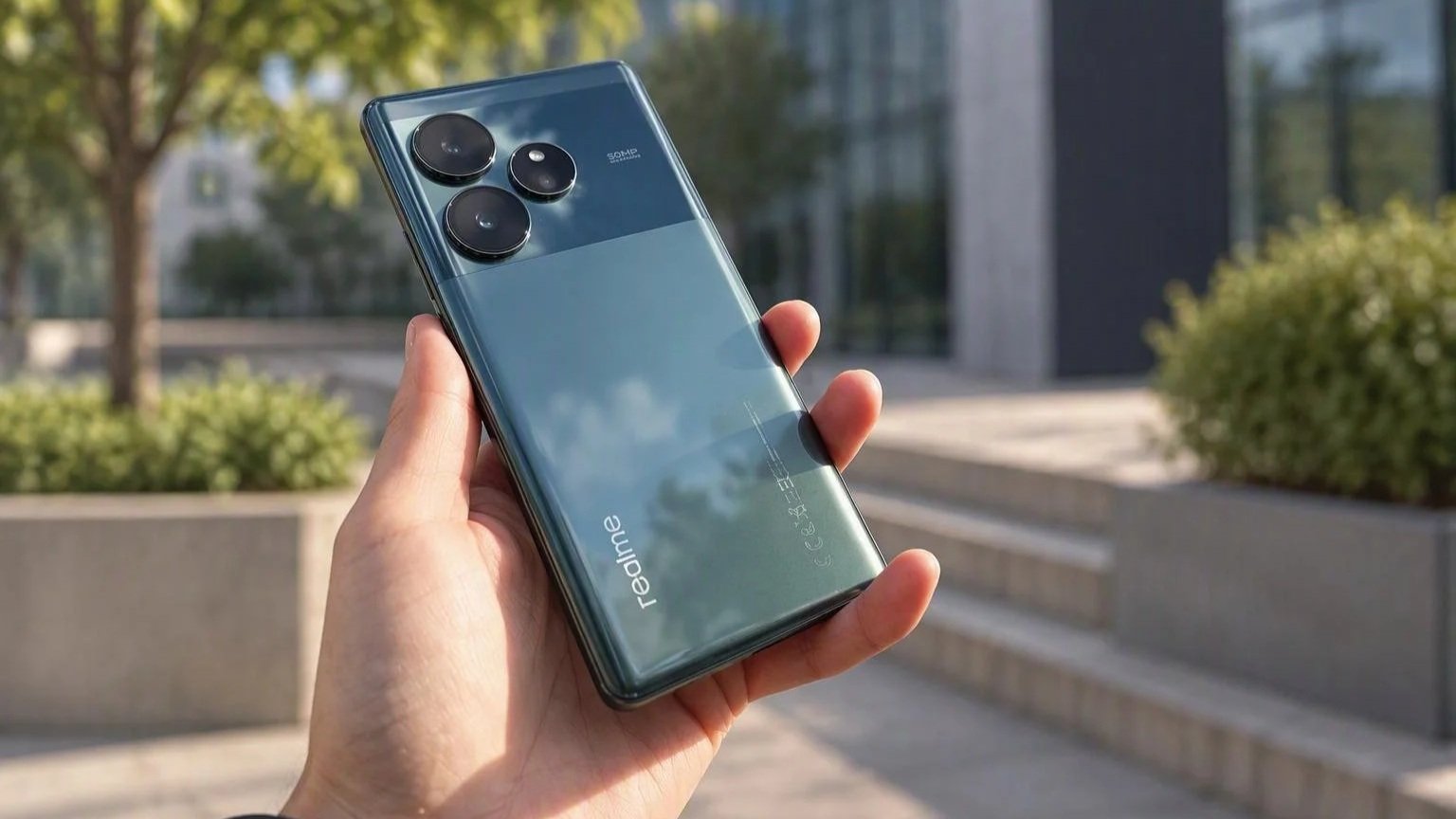
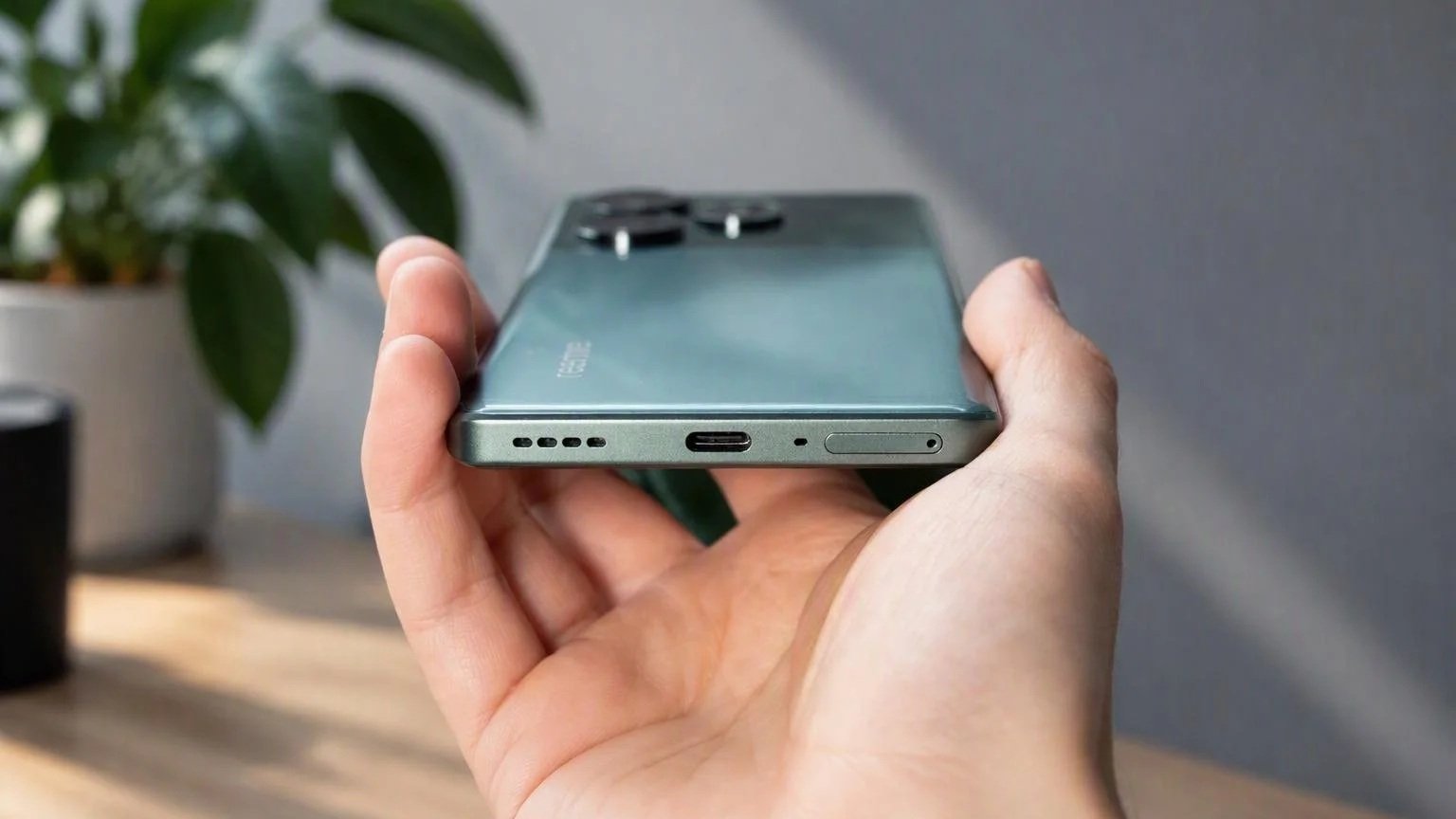
The GT 6 weighs 199 g and measures 8.6 mm thick, while Gorilla Glass Victus 2 protects the front. It also carries an IP65 rating, providing protection against dust and low-pressure water jets.
Display: still one of the GT 6's biggest strengths
The 6.78-inch LTPO AMOLED display remains excellent even by 2026 standards. It offers a resolution of 2780 × 1264, a refresh rate of up to 120 Hz, 10-bit colour and support for Dolby Vision. LTPO technology allows the refresh rate to dynamically adapt to the content displayed, helping balance smoothness and power consumption.
The headline specification is still the advertised peak brightness of 6,000 nits. However, that number needs context. realme specifies 1,000 nits as typical brightness, 1,600 nits in high-brightness mode and 6,000 nits for limited APL scenarios. In other words, you should not expect the entire display to operate at 6,000 nits during normal use.
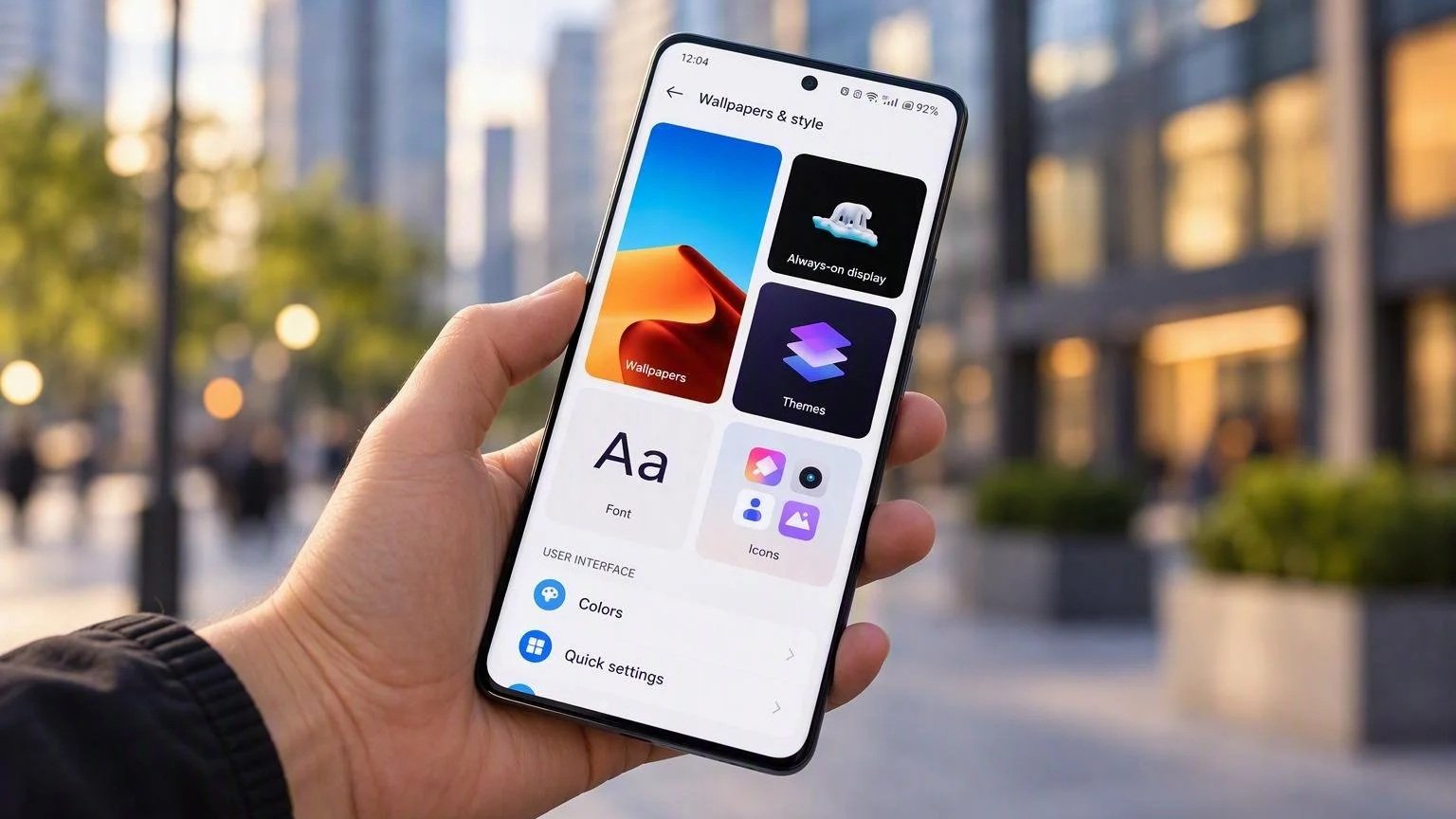
That hardly matters in practice. The panel remains bright, colourful and highly readable outdoors. Movies and games still look excellent. The curved edges may be more divisive today, as the smartphone industry has increasingly moved back towards flatter displays, but aesthetically the GT 6 has aged gracefully.
Performance after two years: still seriously fast
This is where the GT 6 has aged particularly well. Its Snapdragon 8s Gen 3 was positioned just below Qualcomm's flagship Snapdragon 8 Gen 3 when the phone launched. Combined with LPDDR5X RAM and UFS 4.0 storage, it provided performance that frequently felt flagship-grade.
Two years later, the specification obviously no longer represents the top of the smartphone market, but that doesn't mean the GT 6 feels slow. Far from it.
When it comes to benchmarks, I recorded over 1.5 million points in AnTuTu v10 and about 5,000 points in the Geekbench 6 multi-core test during my testing. For everyday tasks, multitasking, photo editing and gaming, there is still plenty of performance available.
Cooling that makes a difference
A powerful chipset is only useful if the phone can manage its temperature. The GT 6 uses realme's Iceberg vapor-chamber cooling system, and this was one of its advantages from the beginning.
During demanding gaming sessions, the phone could get warm, but it generally avoided becoming uncomfortably hot. That's particularly useful during longer gaming sessions, because sustained performance often matters more than a spectacular benchmark result achieved for only a few minutes. After two years, however, the cooling on my unit doesn't seem to perform as well as it did when the phone was new.
GT Mode and gaming
GT Mode is designed to prioritise gaming performance, optimise CPU and GPU behaviour, minimise interruptions and help maintain a stable connection. Features that block accidental gestures are particularly helpful with the curved display.
Games such as Call of Duty: Warzone Mobile, Rocket League Sideswipe and AFK Journey ran smoothly during my original testing.
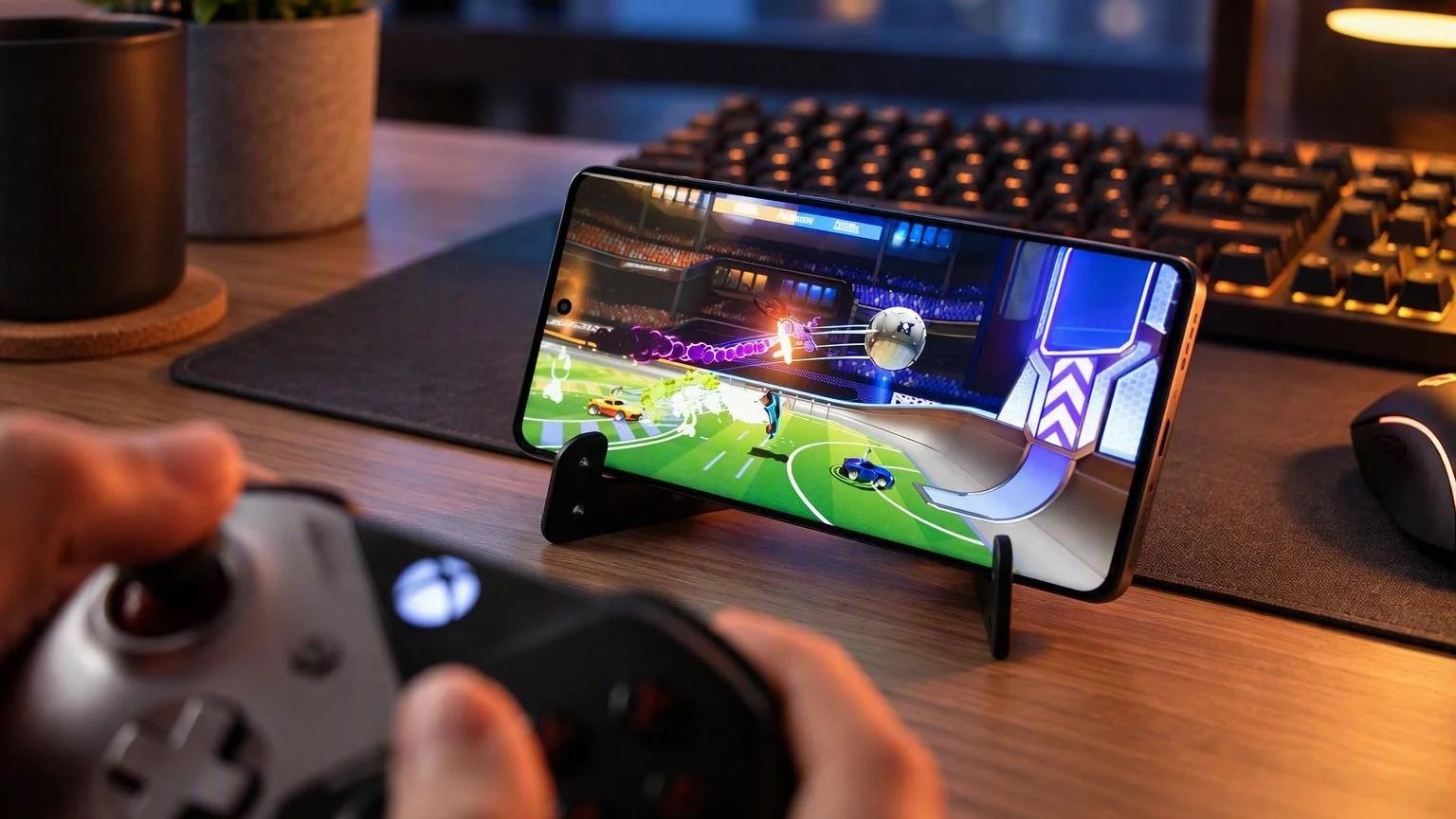
Today, newer games can obviously push the hardware harder, but the Snapdragon 8s Gen 3 remains more than capable enough for mobile gaming. The device supports Wi-Fi 6 and Bluetooth 5.4. Bluetooth 5.4 also makes the phone a good companion for wireless controllers.
Plenty of memory, one dated port
Depending on the configuration, the GT 6 offers up to 16 GB of LPDDR5X RAM and 512 GB of UFS 4.0 storage. Even two years later, 16 GB of RAM is more than enough for almost any realistic smartphone workload.
The virtual RAM feature, which allocates a portion of internal storage as additional memory, remains much less interesting. Physical RAM is considerably faster, so with 12 or 16 GB already available there is little reason to rely heavily on memory expansion.
The more noticeable limitation is USB. Despite the fast internal storage, the USB-C connector runs at USB 2.0 speeds. That's acceptable for charging, but disappointing if you regularly transfer large video files over cable.
Cameras: the main sensor has aged better than the ultrawide
The realme GT 6 combines three rear cameras:
50 MP Sony LYT-808 main camera with OIS
50 MP Samsung S5KJN5 telephoto camera
8 MP Sony IMX355 ultrawide camera
There's also a 32 MP Sony IMX615 selfie camera.
Two years later, that uneven hardware configuration is perhaps even more obvious.
Main camera: still very good
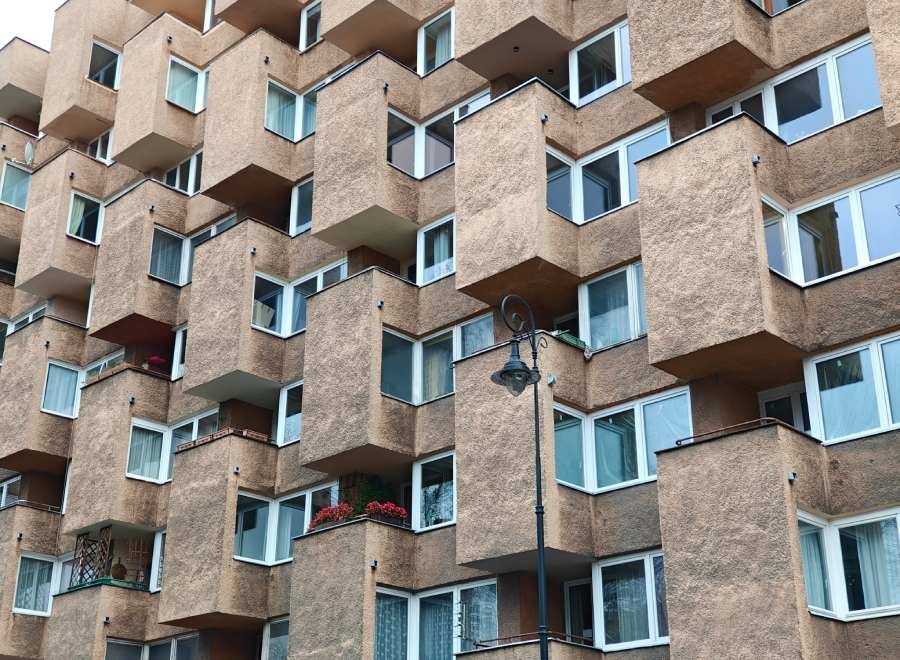
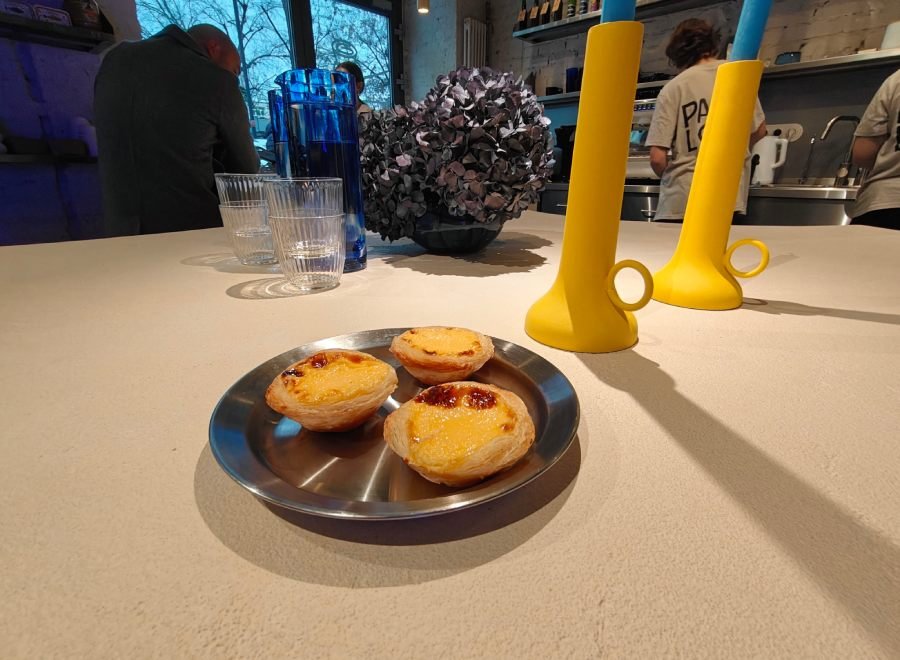
The 50 MP Sony LYT-808 remains the star of the show. Its relatively large 1/1.4-inch sensor, f/1.69 aperture and optical image stabilisation allow the GT 6 to capture detailed images with pleasant colours and good dynamic range.
Low-light photography is also one of the phone's stronger areas. Night shots retain a respectable amount of detail without looking excessively processed. It may no longer challenge the best camera phones of 2026, but the main camera certainly hasn't become obsolete.
Telephoto: useful 2x zoom
The second 50 MP camera uses a Samsung S5KJN5 sensor with an approximately 47 mm equivalent focal length, giving you roughly a 2x perspective.
It remains useful for portraits and tighter compositions, with good colour consistency between the main and telephoto cameras.
Digital zoom is less convincing. Once you move much beyond the native telephoto range, detail begins to deteriorate quickly.
Ultrawide: the weak link
The weakest camera was the ultrawide when the GT 6 launched, and time hasn't been particularly kind to it. Its 8 MP Sony IMX355 sensor measures just 1/4 inch and offers a 112-degree field of view.
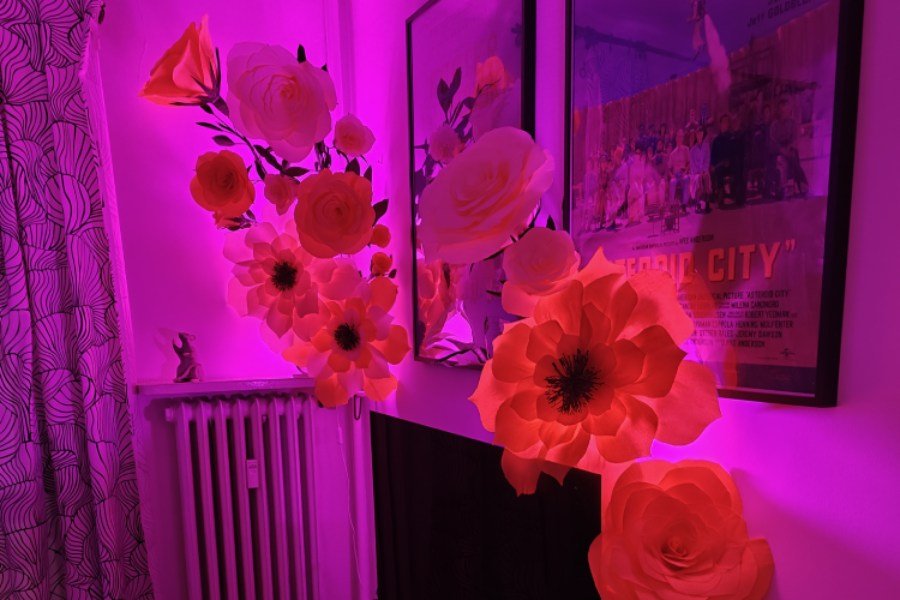
In daylight the results are perfectly usable. Indoors or at night, however, noise and reduced detail become much more apparent.
The lack of a proper macro capability is another missed opportunity. Compared with the excellent primary camera, the ultrawide feels like the obvious cost-cutting component.
Selfies and portraits
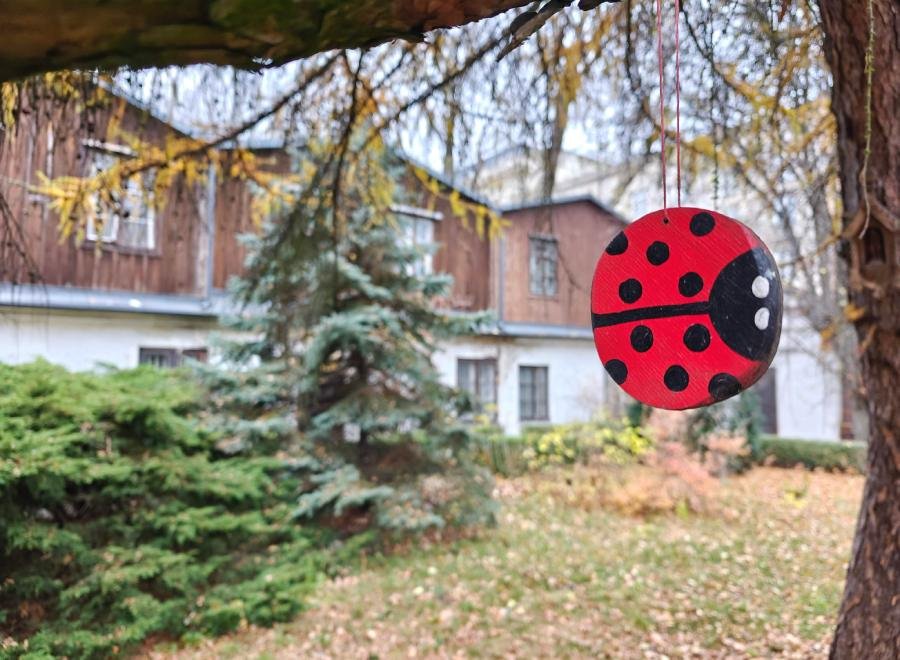
The 32 MP Sony IMX615 selfie camera still produces detailed, natural-looking images and supports video recording at up to 4K/30 fps. There are numerous filters and facial-retouching options, although I still prefer the more natural results with most of these disabled.
Portrait mode is decent rather than exceptional. Fine details such as hair can occasionally confuse the software-generated background separation.







Video: 4K is still the way to go
The main rear camera records at up to 4K/60 fps, with EIS and OIS available for stabilisation. The front camera supports up to 4K/30 fps. Footage from the main camera remains sharp, colourful and generally well balanced. The telephoto is also useful for video, particularly around its native zoom range.
Once again, the ultrawide is the compromise. Its lower-resolution sensor produces noticeably less detail, particularly in demanding lighting conditions. For everyday recording, however, the GT 6 remains a capable video phone even two years after release.
Battery after two years: the more interesting test
The GT 6 has a 5,500 mAh battery with 120W SUPERVOOC wired charging. realme claims the phone can reach 50% in around 10 minutes. On my unit, a full charge takes about half an hour.
When the phone was new, getting through a normal day was easy, with some charge often remaining for the following morning. After two years, however, battery life depends much more heavily on how a particular device has been used. Battery degradation is unavoidable, and users who frequently relied on maximum-speed charging or exposed the phone to high temperatures may notice a bigger reduction in capacity. On my unit, the effect is clear: the battery now drains significantly faster than it did when the phone was new.
The good news is that 120W charging makes mediocre battery endurance far less inconvenient. A short charging session can provide enough power for many additional hours of use. There's still no wireless charging. Whether that matters depends entirely on your habits, but in 2026 its absence is even more noticeable than it was at launch.
Software after two years: much has changed
The GT 6 launched in 2024 with Android 14 and realme UI 5.0. realme promised up to three major Android upgrades for the device. The phone has since progressed well beyond its launch software. Current update tracking lists Android 16 as released for the GT 6, with Android 17 expected to be its final major Android upgrade.
realme has also officially introduced realme UI 7.0 based on Android 16, with its rollout taking place in stages. That makes the software story significantly different from what it was in 2024. Features such as AI Smart Removal and AI Smart Loop were novel additions when the GT 6 launched.
Today, AI-assisted photo editing and contextual interface features have become much more common across Android smartphones. The important point after two years isn't that the GT 6 once had “AI”. It's that the device has continued receiving major Android upgrades, keeping the overall experience relatively current.
Should you buy the realme GT 6 in 2026?
The GT 6 was never officially sold in the US, and two years after launch it has largely disappeared from official stores elsewhere too. New global-version units still turn up through third-party sellers, but often at prices close to, or even above, what newer mid-range phones cost. A used or refurbished unit is usually the better deal, so compare a few offers before you buy.
When buying a used unit, ask for the battery health figure and check how long the software support window has left. With Android 17 expected to be the last major upgrade, the GT 6 makes most sense at a clear discount compared with newer mid-range phones.
If you'd rather buy something newer, with an official US warranty, these alternatives are worth a look:
Motorola Edge 2025 (around $350): the cheapest option here, with a curved 6.7-inch display, a 5,200 mAh battery, 68W charging and military-grade durability. It's slower than the GT 6, but it's an official US model.
Nothing Phone (4a) Pro (around $500): a 50 MP periscope telephoto camera with 3.5x optical zoom and a 144 Hz AMOLED display. Its zoom is far more capable than the GT 6's 2x telephoto.
Samsung Galaxy A57 5G (around $500): less powerful, but the US version comes with a US warranty, IP68 protection and Samsung's long software support, which makes it a safer long-term choice.
Google Pixel 10a (around $580 right now): seven years of software updates, IP68 protection, a bright 3,000-nit display and Google's excellent camera processing.
realme GT 6 after two years: verdict
Two years later, the realme GT 6 has aged remarkably well. Its greatest strengths remain the same: an excellent 120 Hz LTPO AMOLED display, fast Snapdragon 8s Gen 3 chipset, generous RAM and UFS 4.0 storage, a large 5,500 mAh battery with extremely fast 120W charging, and a genuinely good 50 MP main camera.
The compromises are easier to see in 2026. The battery drains significantly faster than it did when new, the cooling isn't as effective as it once was, the 8 MP ultrawide camera feels dated, USB 2.0 is frustrating for wired file transfers, there's no wireless charging, and the curved display won't appeal to everyone. But none of those weaknesses fundamentally change what the GT 6 is like to use.
That's perhaps the biggest compliment I can give it after two years. It doesn't feel like a smartphone that desperately needs replacing. Performance remains strong, the screen is excellent, charging is exceptionally fast and the main camera can still deliver very good results.
If you already own a realme GT 6, there is little reason to upgrade purely because of its age. And if you're considering one today, the condition of the battery, remaining software-support window and the price relative to newer models matter more than its raw specifications.
Two years on, the realme GT 6 may no longer be a “flagship killer”, but it remains a fast, capable and surprisingly modern smartphone.
