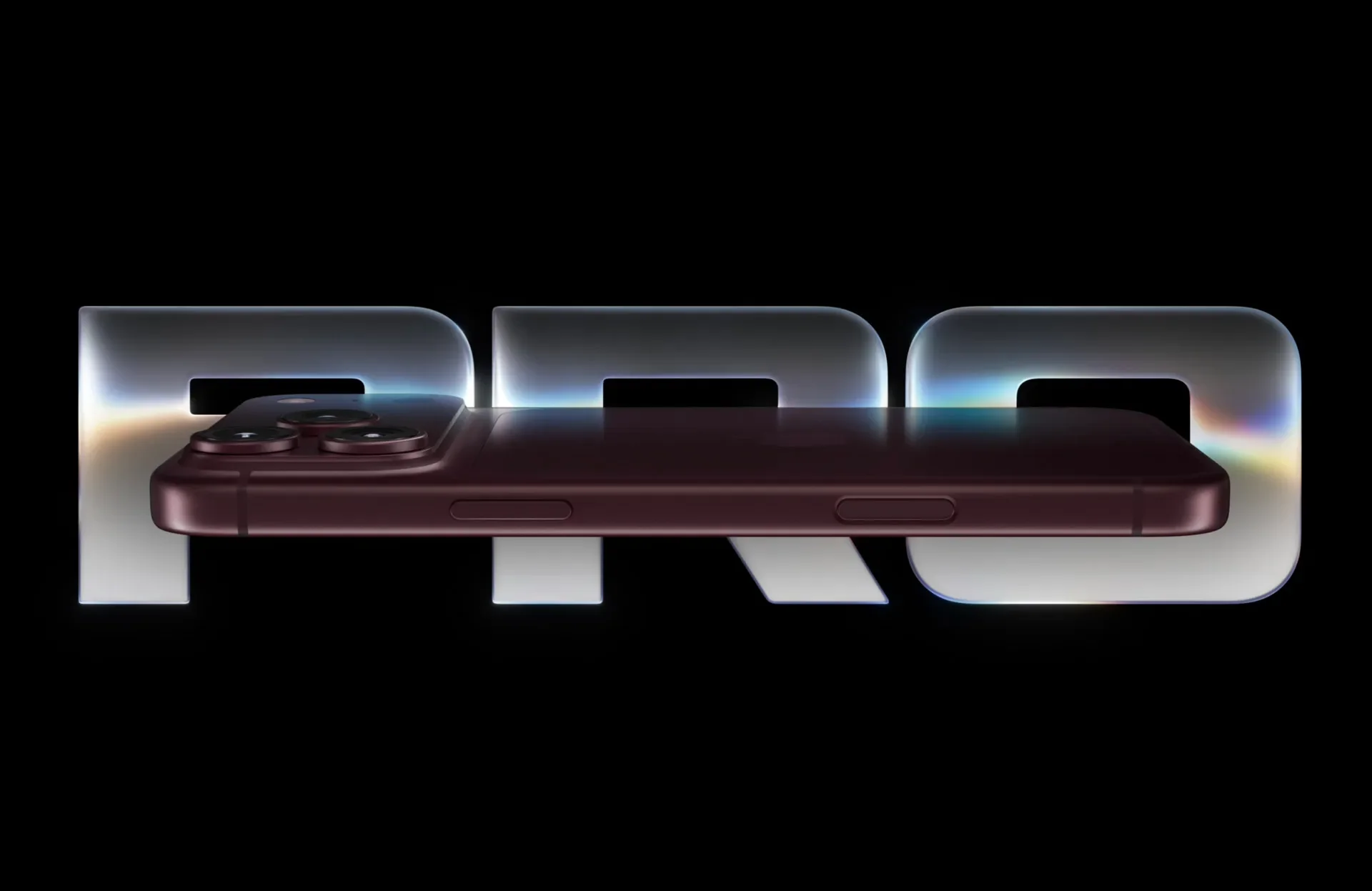
iPhone 18 Pro and iPhone 18 Pro Max Are Official: What’s New?
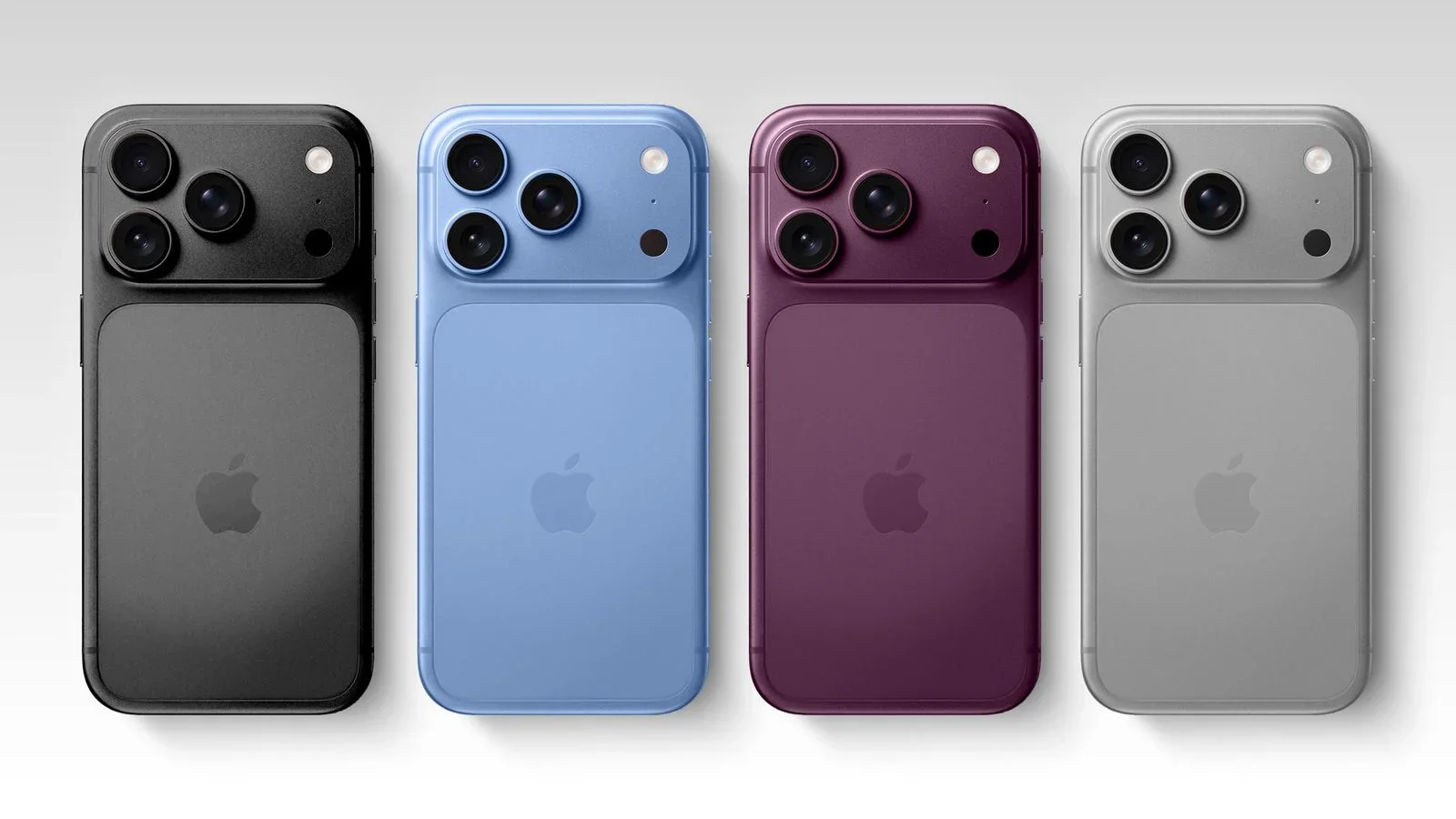
Apple has officially unveiled the iPhone 18 Pro and iPhone 18 Pro Max. This year's Pro models focus on three familiar areas—performance, cameras and battery life—but there are some more substantial changes hiding behind that familiar formula.
The new A20 Pro chip gets upgraded graphics and a significantly larger Neural Engine, Apple has redesigned the cooling system, and the main 48MP camera now features a variable aperture. There's also a smaller Dynamic Island, faster charging and longer claimed battery life.
The Pro Max continues to separate itself from the smaller Pro, particularly when it comes to endurance.
So, what's actually new—and is there enough here to justify upgrading from an iPhone 17 Pro?
Table of Contents
- Key takeaways
- iPhone 18 Pro vs. iPhone 17 Pro
- iPhone 18 Pro Max vs. iPhone 17 Pro Max
- A20 Pro and redesigned cooling
- Battery life and charging
- A 48MP camera with variable aperture
- Smaller Dynamic Island and iOS 27
- Apple Intelligence and Siri
- iPhone 18 Pro and Pro Max price and availability
- Should you buy the iPhone 18 Pro or Pro Max
- Apple had more than two iPhones to show
Key takeaways
Apple unveiled the iPhone 18 Pro and iPhone 18 Pro Max on September 9, 2026.
Preorders are scheduled to begin September 12, with general availability from September 18.
Both phones use the new A20 Pro chip with a 6-core CPU, 7-core GPU and 32-core Neural Engine.
Apple has redesigned the vapor-chamber cooling system to improve sustained performance.
Claimed video playback reaches up to 36 hours on iPhone 18 Pro and 45 hours on iPhone 18 Pro Max on eSIM-only versions.
The main camera remains at 48MP but adds a variable aperture.
Dynamic Island is smaller and can display up to three Live Activities simultaneously.
iOS 27 expands Apple Intelligence and introduces a new iPhone Handoff feature for supported carriers.
U.S. pricing starts at $1,199 for iPhone 18 Pro and $1,299 for iPhone 18 Pro Max.
iPhone 18 Pro vs. iPhone 17 Pro
The biggest year-over-year changes come down to performance, cooling, the main camera, battery life and Dynamic Island. The A19 Pro gives way to A20 Pro CPU, the GPU gains another core, and the Neural Engine jumps from 16 to 32 cores.
Apple is also expanding storage on the smaller Pro model. While the iPhone 17 Pro topped out at 1TB, the iPhone 18 Pro is available with up to 2TB. It’s gonna cost you, though…
| Feature | iPhone 17 Pro | iPhone 18 Pro |
|---|---|---|
| Chip | A19 Pro | A20 Pro |
| CPU / GPU / Neural Engine | 6 / 6 / 16 cores | 6 / 7 / 32 cores |
| Cooling | Vapor chamber | Next-generation vapor chamber with 3× larger surface area |
| Main camera | 48MP Fusion | 48MP Fusion with variable aperture |
| Dynamic Island | Standard size | Smaller, supports up to 3 Live Activities |
| Video playback | Up to 31 hours | Up to 36 hours on eSIM-only version |
| Fast wired charging | Up to 50% in 20 minutes | Up to 50% in around 15 minutes |
| Storage | 256GB, 512GB, 1TB | 256GB, 512GB, 1TB, 2TB |
| Colors | Silver, Cosmic Orange, Deep Blue | Black, Silver, Glacier Blue, Burgundy |
On paper, the camera may be the more interesting upgrade. Both generations use a 48MP main camera, but the iPhone 18 Pro introduces a variable aperture, giving the camera more control over how much light enters the lens.
Battery life also increases from up to 31 hours of video playback on the iPhone 17 Pro to as much as 36 hours on the eSIM-only iPhone 18 Pro. And yes, charging is getting faster too.
Apple says the new Pro can reach around 50% in approximately 15 minutes with compatible wired charging, compared with around 20 minutes on the previous model. Not exactly enough time to finish an episode of anything, which is probably the point.
iPhone 18 Pro Max vs. iPhone 17 Pro Max
Most of the upgrades are shared between the two Pro sizes.
The Pro Max receives the same:
A20 Pro chip;
upgraded cooling system;
48MP variable-aperture main camera;
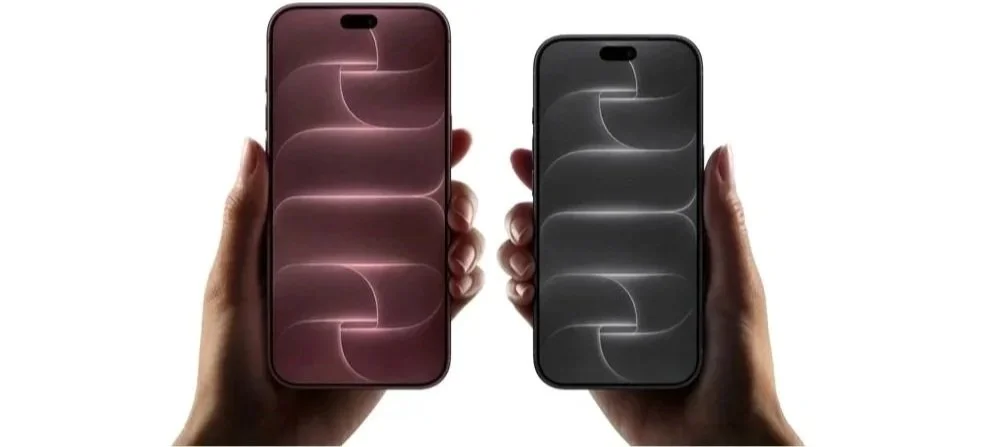
smaller Dynamic Island;
new color options.
The biggest difference is battery life.
| Feature | iPhone 17 Pro Max | iPhone 18 Pro Max |
|---|---|---|
| Chip | A19 Pro | A20 Pro |
| CPU / GPU / Neural Engine | 6 / 6 / 16 cores | 6 / 7 / 32 cores |
| Cooling | Vapor chamber | Next-generation vapor chamber with 3× larger surface area |
| Main camera | 48MP Fusion | 48MP Fusion with variable aperture |
| Dynamic Island | Standard size | Smaller, supports up to 3 Live Activities |
| Video playback | Up to 37 hours | Up to 45 hours on eSIM-only version |
| Storage | 256GB, 512GB, 1TB, 2TB | 256GB, 512GB, 1TB, 2TB |
| Colors | Silver, Cosmic Orange, Deep Blue | Black, Silver, Glacier Blue, Burgundy |
Apple rates the iPhone 18 Pro Max for up to 45 hours of video playback in its eSIM-only configuration, compared with up to 37 hours on the previous generation. That's an eight-hour increase in Apple's video-playback metric.
Real-world battery life will obviously depend on what you're doing with the phone, but on paper this makes the Pro Max's traditional endurance advantage even more significant. If battery anxiety has been deciding which Pro you buy, Apple is making that decision easier.
A20 Pro and redesigned cooling
At the heart of both new phones is Apple's A20 Pro chip. It includes a 6-core CPU, a 7-core GPU and a 32-core Neural Engine. For comparison, the A19 Pro used in the iPhone 17 Pro generation has a 6-core CPU, 6-core GPU and 16-core Neural Engine according to the source article.
The particularly noticeable change is therefore on the AI side, where the Neural Engine core count has doubled. Apple is positioning A20 Pro around demanding workloads including gaming, photo and video editing, and Apple Intelligence. But raw chip performance is only part of the story.
A larger vapor chamber
Apple has also redesigned the phones' cooling system. The new vapor chamber is described as having roughly three times the surface area of the previous design.
That's important because flagship smartphone chips are already extremely fast in short bursts. The harder challenge is maintaining that performance once the phone has been working hard for several minutes.
Heat can become a limiting factor when you're:
playing demanding games;
recording high-resolution video;
editing photos or video;
running intensive AI workloads.
Better thermal management should therefore help A20 Pro sustain more of its performance instead of immediately winning a benchmark and then getting very warm about it. Exactly how big the difference is will require real-world testing.
Battery life and charging
Apple is putting considerable emphasis on battery life with this generation.
The company claims up to 36 hours of video playback on iPhone 18 Pro and 45 hours on iPhone 18 Pro Max for eSIM-only versions. That makes battery life one of the clearest practical differences between the two sizes.
The smaller Pro remains easier to handle, but the Pro Max continues to be the model to choose if maximum endurance matters more than maximum pocketability.
Faster charging
Apple also claims the iPhone 18 Pro can reach around 50% charge in approximately 15 minutes using compatible wired charging. Wireless charging can reach 50% in around 30 minutes. For the Pro Max, Apple says five minutes of wired charging can provide enough power for approximately seven hours of video playback.
As always, those figures come from Apple's controlled testing conditions. Real charging speeds will vary depending on the charger, temperature and how you're using the phone.
Still, faster charging is very welcome. Especially from a company that spent years acting as though 20 watts was plenty and we should all simply organize our lives better.
A 48MP camera with variable aperture
The biggest camera hardware change is the new 48MP main camera with a variable aperture. Aperture controls how much light passes through the lens and reaches the sensor.
On most modern smartphones, the physical aperture is fixed. The phone can adjust exposure using shutter speed, ISO and computational photography, but the opening itself doesn't change.
The iPhone 18 Pro takes a different approach. Its mechanical variable aperture can physically adjust the amount of light entering the camera.
Why does variable aperture matter
A wider aperture allows more light to reach the sensor. That can help in darker conditions and can produce a shallower depth of field in certain situations.
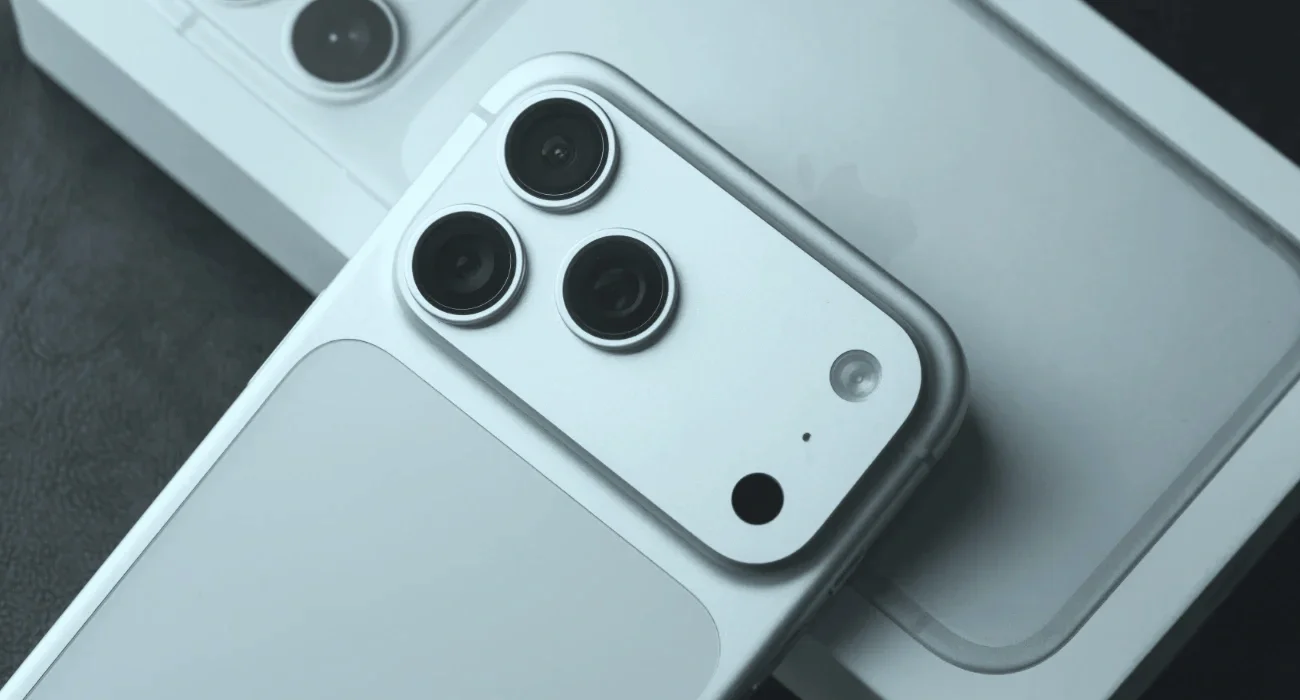
A narrower aperture lets in less light but can provide greater depth of field, potentially keeping more of the scene in focus. On a dedicated camera, photographers have been adjusting aperture for approximately forever.
Seeing greater physical aperture control arrive on a smartphone is therefore much more interesting than another year of adding the word “AI” to the camera app. Apple is also introducing several software features alongside the new hardware.
| Camera feature | What it means for you |
|---|---|
| 48MP sensor | More detail and additional flexibility when cropping photos |
| Variable aperture | Greater control over incoming light and depth of field |
| Pro Controls | More manual options directly inside the Camera app |
| Intelligent focus | Automatically tracks important subjects in the frame |
| Photographic Styles | Lets you give images a particular look more quickly |
| Photo authenticity | Identifies photos that haven't been modified using AI |
During conference, Apple representatives also talked about an authenticity feature designed to identify photographs that haven't been modified by AI. That could become increasingly useful as the line between a photograph and an AI-generated or heavily AI-edited image continues to blur.
Smaller Dynamic Island and iOS 27
Dynamic Island isn't disappearing yet. It is, however, getting smaller. Apple has reduced the amount of display space occupied by the cutout on the iPhone 18 Pro generation while keeping it integrated into the iOS interface.
With iOS 27, the redesigned Dynamic Island can display up to three Live Activities simultaneously.
That could be useful when you're juggling things like:
navigation;
timers;
music;
sports scores;
deliveries;
ongoing calls.
It's a relatively small hardware change, but one you'll probably notice every time you look at the phone.
iPhone Handoff
iOS 27 also introduces a feature called iPhone Handoff. According to the source article, supported carriers will allow users to switch between two iPhones using the same phone number.
The feature will initially depend on carrier support, so availability is likely to vary between markets. It's a niche feature, but potentially useful if you regularly switch between a personal iPhone and a second device.
Apple Intelligence and Siri
Unsurprisingly, A20 Pro has also been designed with Apple Intelligence in mind. Apple continues to emphasize a mix of on-device processing and privacy-focused AI features.
The source article says the upgraded Siri is designed to work more effectively across apps and use more personal context when helping with tasks.
Apple Intelligence features include assistance with:
writing;
creating shortcuts;
image editing;
finding contextual information;
working across supported apps.
The 32-core Neural Engine should give the new Pro models considerably more dedicated hardware for these workloads. There is an important regional limitation, though.
According to the source, the latest Siri AI capabilities won't initially be available in the European Union, while Polish is not among the supported Apple Intelligence languages at launch.
So—as has increasingly become the case with modern smartphones—the hardware you buy and the software features you actually receive may depend on where you live.
iPhone 18 Pro and Pro Max price and availability
In the United States, the iPhone 18 Pro starts at $1,199, while the iPhone 18 Pro Max starts at $1,299. That represents an increase compared with the previous generation.
Both models are expected to be available in:
Black;
Silver;
Glacier Blue;
Burgundy.
Storage options for the iPhone 18 Pro are:
256GB;
512GB;
1TB;
2TB.
The iPhone 18 Pro Max also offers configurations up to 2TB.
Preorders begin September 12, with availability scheduled for September 18.
Should you buy the iPhone 18 Pro or iPhone 18 Pro Max
The iPhone 18 Pro generation looks like a more meaningful upgrade for anyone coming from an older model. If you currently use an iPhone 13 Pro, 14 Pro or 15 Pro, the combined improvements to performance, battery life, cameras and AI hardware should be much easier to notice.
The decision is less obvious if you already have an iPhone 17 Pro or 17 Pro Max.
You'd be upgrading primarily for:
A20 Pro;
improved cooling;
variable-aperture camera hardware;
longer battery life;
faster charging;
smaller Dynamic Island.
Those aren't insignificant upgrades. But they're also exactly the kind of features that need proper testing before I'd recommend replacing a one-year-old flagship.
I'd want to see how much the new cooling improves sustained performance, what the variable aperture actually does for photos, and whether Apple's battery claims translate into noticeably longer real-world endurance.
Pro or Pro Max
The choice between the two remains familiar.
Buy the iPhone 18 Pro if you want most of Apple's best hardware in a smaller phone.
Buy the iPhone 18 Pro Max if battery life and the larger 6.9-inch display matter more than portability.
The 45-hour video-playback claim makes the Pro Max particularly tempting for heavy users. Your pockets may have a different opinion.
Apple had more than two iPhones to show
The iPhone 18 Pro and Pro Max weren't the only major announcements from Apple's September event. Apple also introduced its first foldable iPhone, called the iPhone Duo.
That represents an entirely new category for Apple's smartphone lineup and potentially a much bigger structural change than anything happening to the conventional Pro models this year.
Apple also introduced:
Apple Watch Series 12;
Apple Watch Ultra 4;
AirPods 5.
The new watches feature Apple's S11 chip and a Health Sensing System designed to expand measurements including heart rate and HRV while introducing a new readiness metric.
There's plenty more to unpack from this launch. But for the familiar slab-shaped iPhone, the headline is straightforward: the iPhone 18 Pro is becoming more capable, while the iPhone 18 Pro Max is becoming even more of the endurance model.
Whether that's enough to justify $1,199 or more will depend heavily on what you're upgrading from. And, as usual, that's a much more useful question than whether this is “the best iPhone ever.”
Of course it is.
It's September.